Choosing the Right International Experience For Your Son or Daughter
This guide breaks down the major types of summer programs in Europe—and highlights which ones consistently produce the most meaningful, lasting impact on teenagers.


If you’re searching for a European summer program for your teenager, you’re not alone—and you’re also facing an admittedly complex choice.
From language-immersion programs and travel tours to service projects and outdoor adventures, the options seem endless. Many promise growth, independence, and confidence. But in practice, not all programs deliver the same long-term impact.
So how do you choose the right experience?
This guide breaks down the major types of summer programs in Europe and highlights which ones consistently produce the most meaningful, lasting change in teenagers.
The Main Types of European Summer Programs for Teens
1. Teen Travel Tours (Multi-City tours)
These are the most popular options.
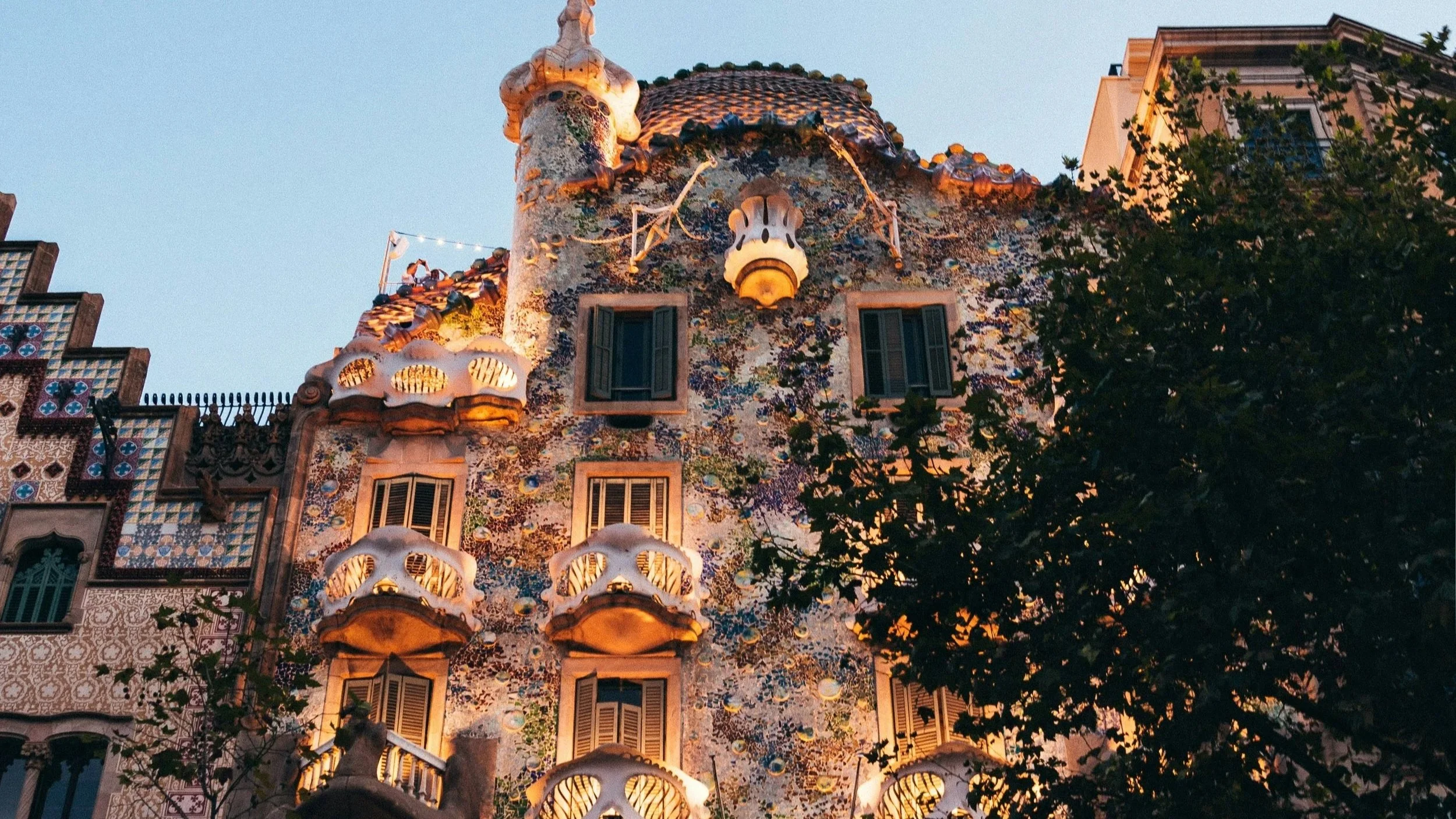
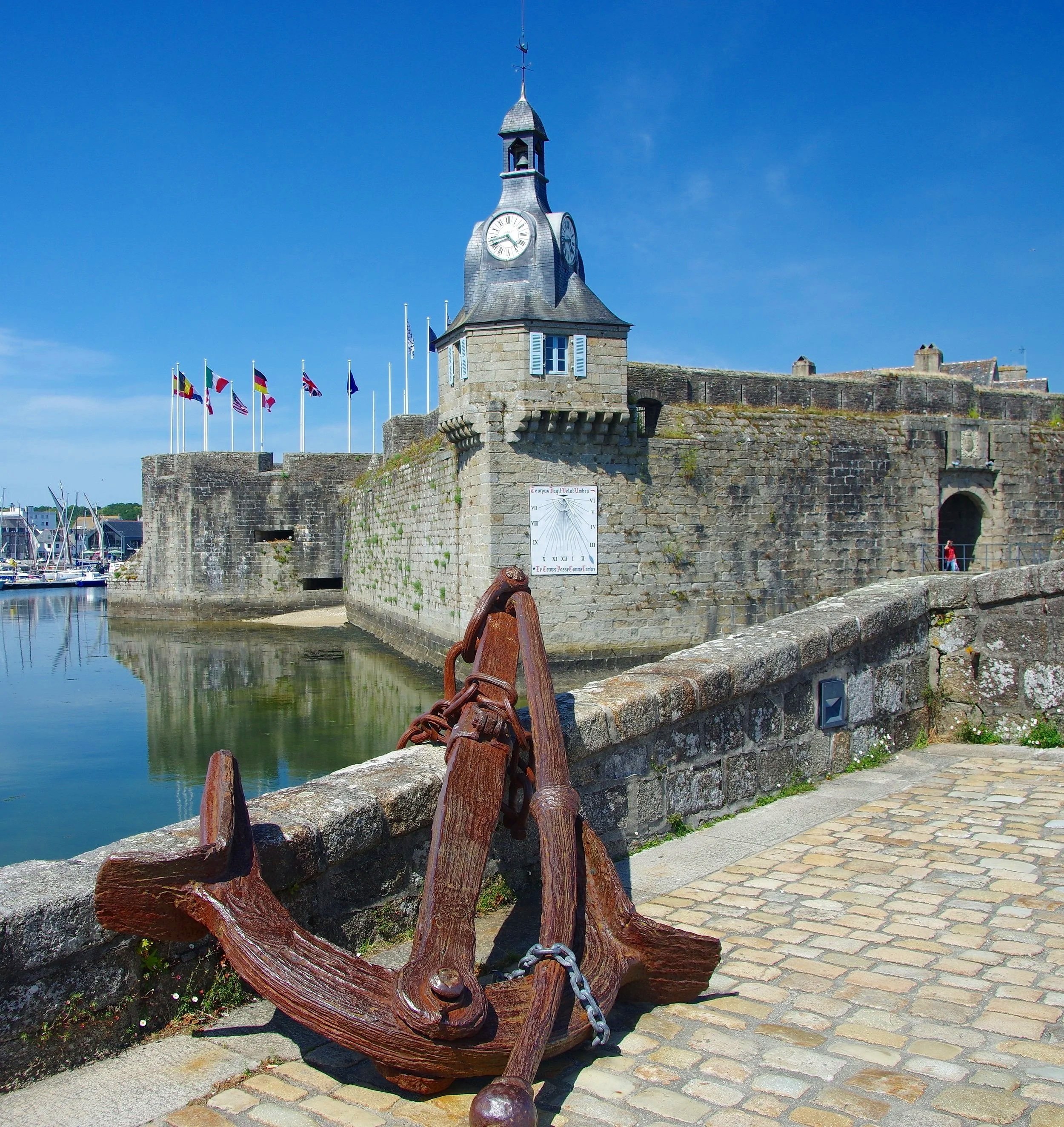
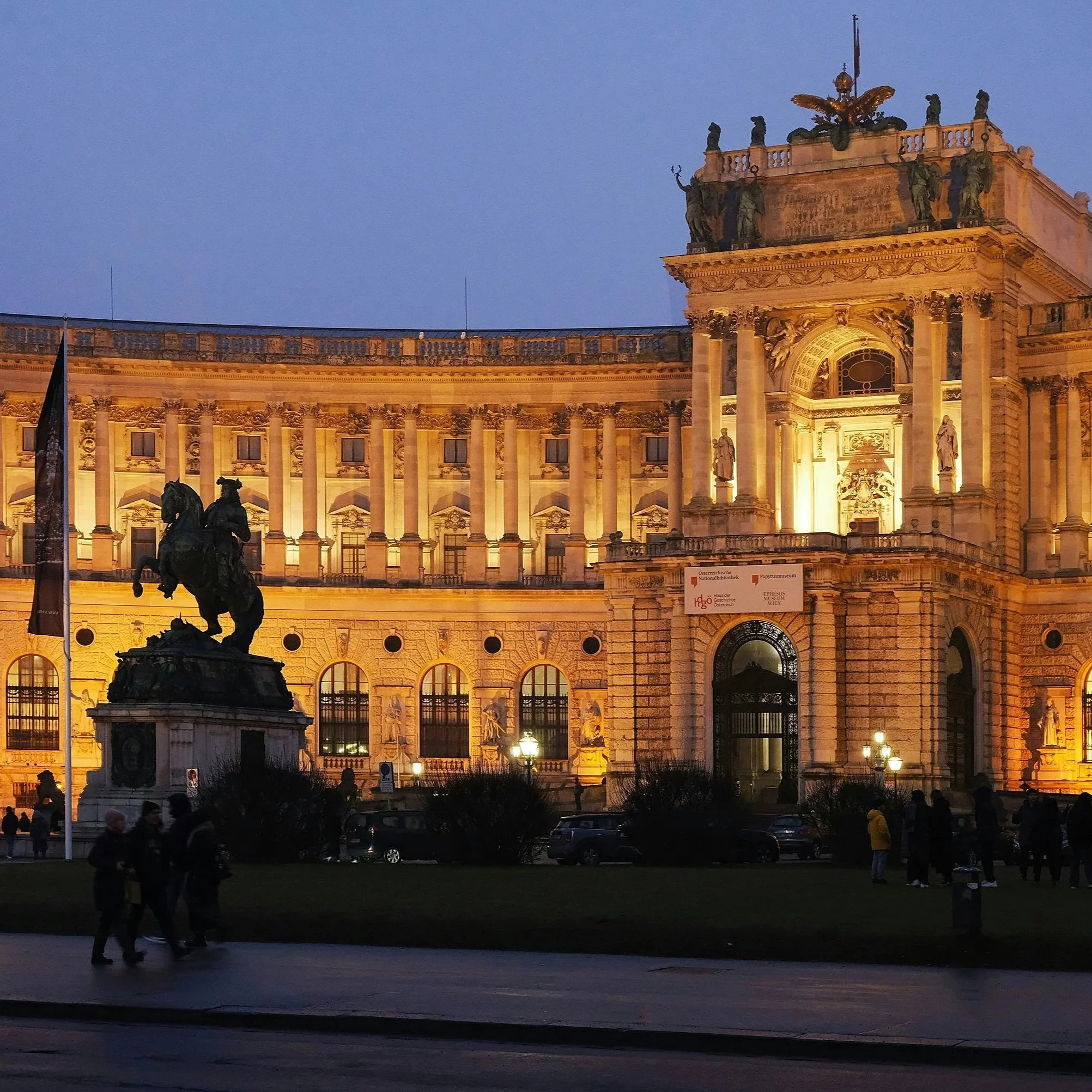
Typically, students travel in groups across several European cities, usually cultural capitals—Paris, London, Rome, Vienna, Barcelona—visiting landmarks, museums, and heritage sites.
Pros:
Broad cultural exposure
Well-organized logistics
Social, memorable, and fun
Great photo opportunities for social media feeds
Limitations:
Often passive (structured itineraries, limited responsibility)
Constant standing in line and dealing with hoards of other tourists
Less opportunity for independence or leadership
Experiences can blur together over time
Students are always packing and unpacking, moving from hotel (or hostel) to hotel
Groups travel in their own bubble, interacting mostly with other teens from the same school or cultural background
👉 Best for: First-time travelers seeking a safe introduction to Europe, a sort of European survey course
2. Language Immersion Programs
Students live with host families or attend language schools to improve fluency in French, Spanish, or other languages.
Pros:
Strong academic value
Cultural exposure
Structured learning
Academic credits sometimes awarded
Limitations:
Growth is meant to be academic rather than personal
Limited physical challenge or leadership development
Real benefit generally from a greater motivation to learn a foreign language. (You rarely improve very much in just a few weeks.)
👉 Best for: Students focused on language acquisition
3. Volunteer/Service Programs
These programs focus on community service—environmental projects, teaching, or local initiatives.
Pros:
Meaningful contribution
Exposure to global issues
Personal reflection
Limitations:
Impact varies widely by organization
Sometimes more observational than immersive, more performative than truly impactful
👉 Best for: Socially motivated teens
4. summer school courses, including those at premium international schools like Le Rosey, Institut auf dem Rosenberg, and Aiglon|Switzerland
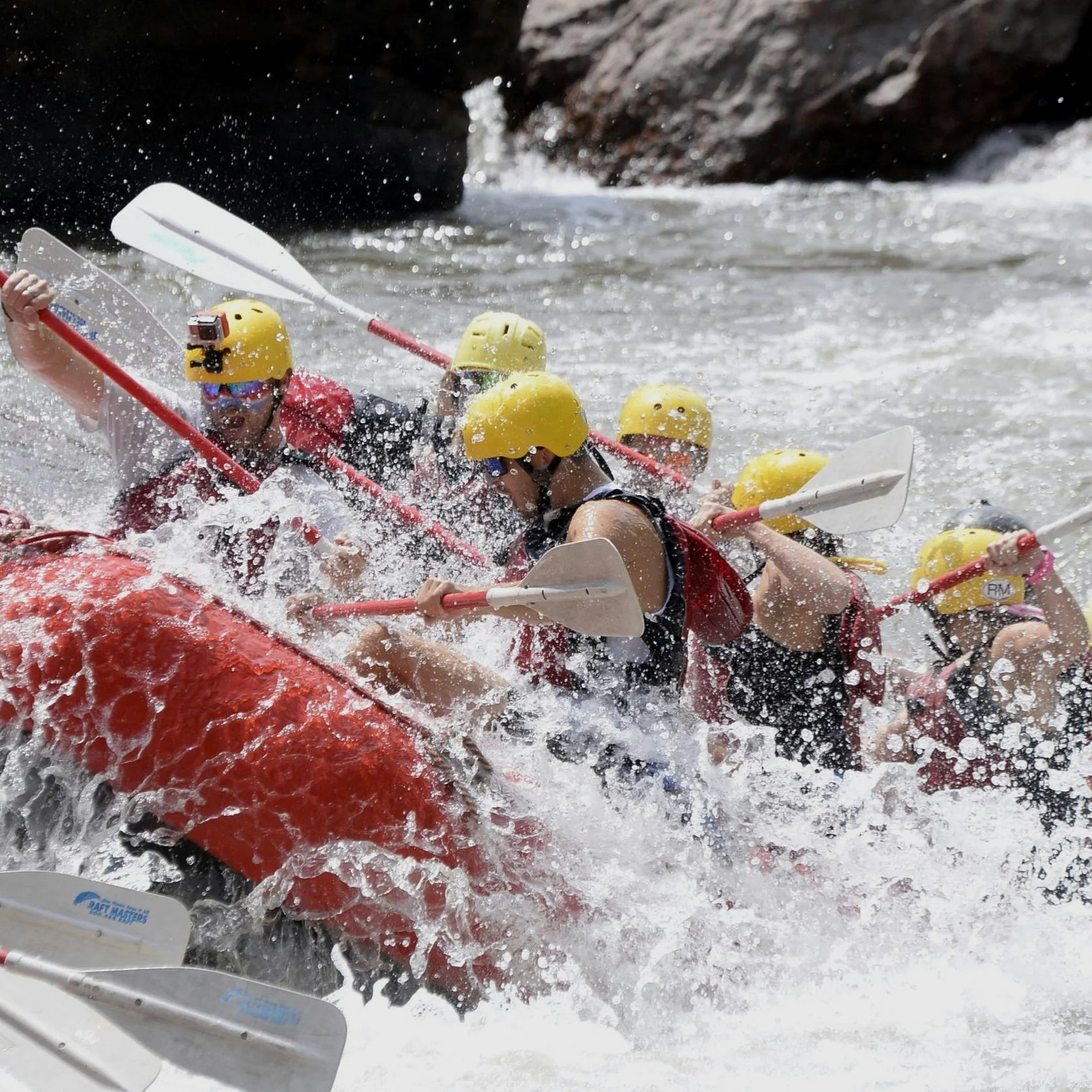
Include a wide range of outdoor activities, including hiking, rafting, cycling, horse-back riding, you name it. Also ballet, excursions, fashion & textile design, and some language study.
Pros:
Famously safe
Well organized with extremely varied activities, including some unusual ones (banana-boat rides on Lake Geneva)
Run by world-class educational professionals in state-of-the-art facilities
You can put “summer school at Le Rosey, Rosenberg, or Aiglon” on your teen’s high-school résumé
Your teen will probably meet some “interesting” people
Limitations:
Extremely expensive (Rosenberg costs around 16,100 USD/12,000 GBP for two weeks)
Activities instructor-led, closely supervised
The cohorts skew younger than many outdoor adventure options
👉 Best for: Parents considering enrolling their teens full-time in elite international schools and, of course, parents who can afford it
5. Outdoor Adventure Programs
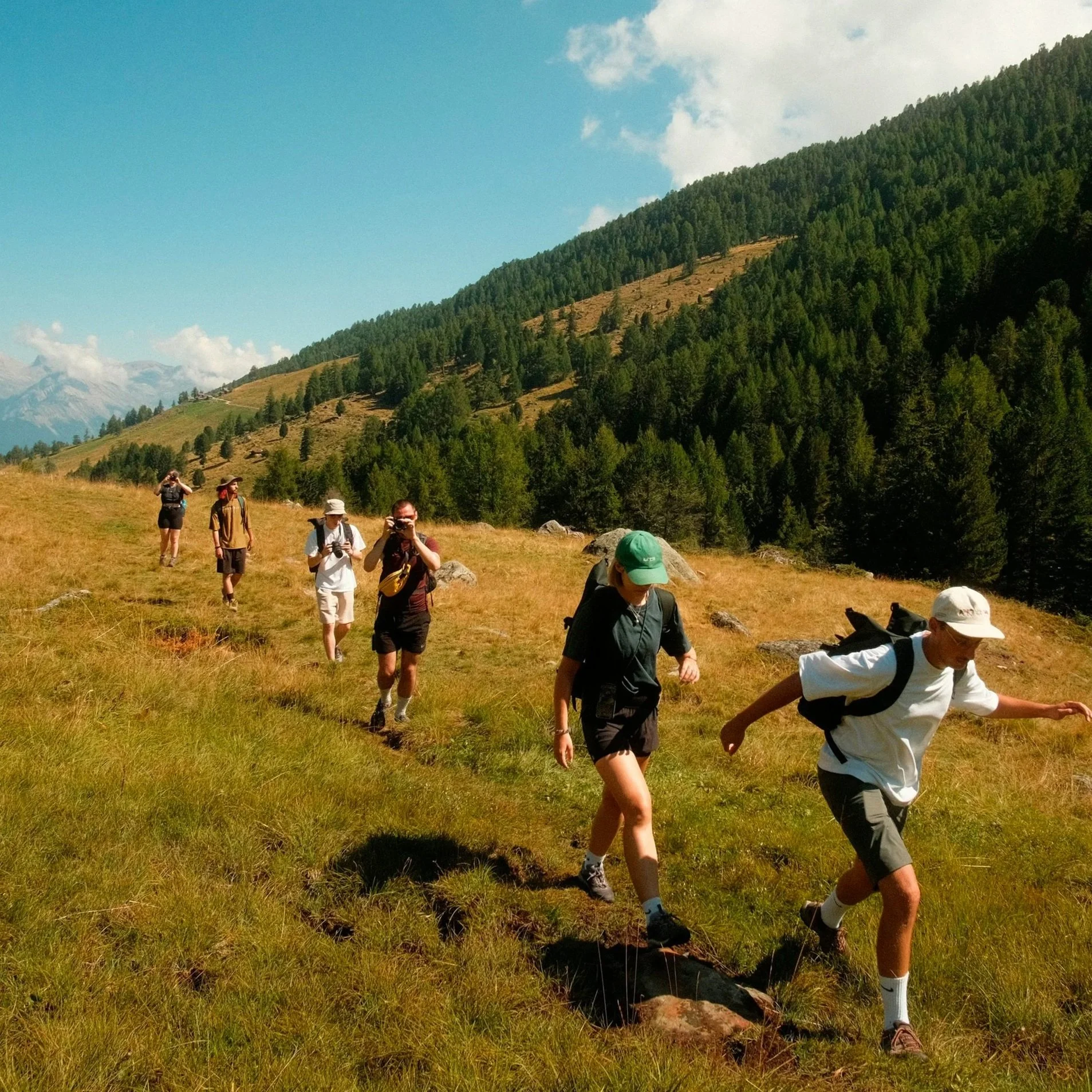
Including hiking, cycling, and wilderness expeditions.
Pros:
Physical challenge
Confidence building
Strong peer bonding
Limitations:
Leadership opportunities can be limited
Activities often instructor-led rather than student-driven
👉 Best for: Active teens who enjoy the outdoors and new outdoor challenges
Which Programs Actually Build Independence and Confidence?
This is the question many parents are asking in the era of smart phones and video games.
Research on adolescent development consistently shows that confidence and independence come from real responsibility—not just activity or exposure.
In other words:
Watching is not enough
Participating is not enough
Personal responsibility for achieving goals and the satisfaction of accomplishment are the catalysts for personal growth
Programs that place teenagers in environments where they must:
make decisions
solve real problems
work as part of a team under pressure
…tend to produce the most durable personal development.
Why Small-Group Expedition Programs Stand Out
Among all options, one category consistently stands apart:
👉 Small-group, high-responsibility expeditions
These programs are designed around:
shared responsibility
real consequences
tight-knit teams
immersive environments
Teens don’t just punch a bingo card of new experiences, they own them.
This is where transformation happens.
A Different Model — Leadership Expeditions at Sea
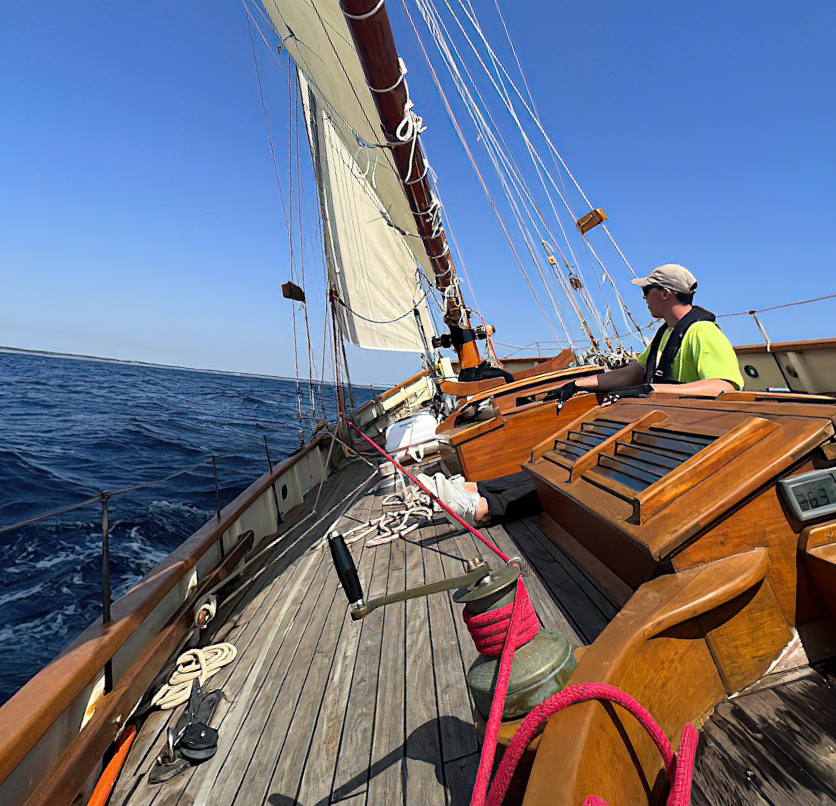
One of the most powerful examples of this approach is the live-aboard coastal expedition model.
Rather than traveling through Europe, participants:
live together
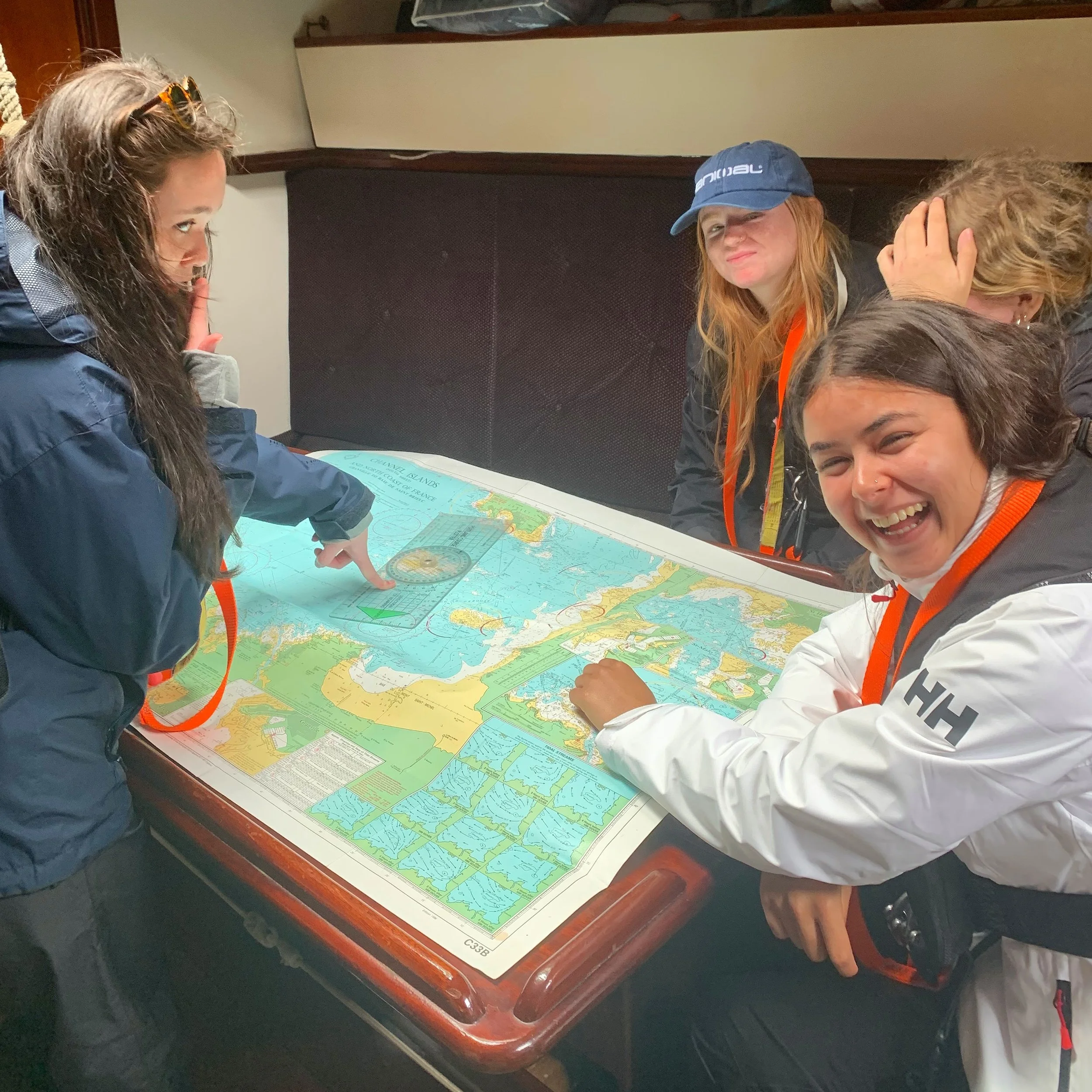
navigate real routes
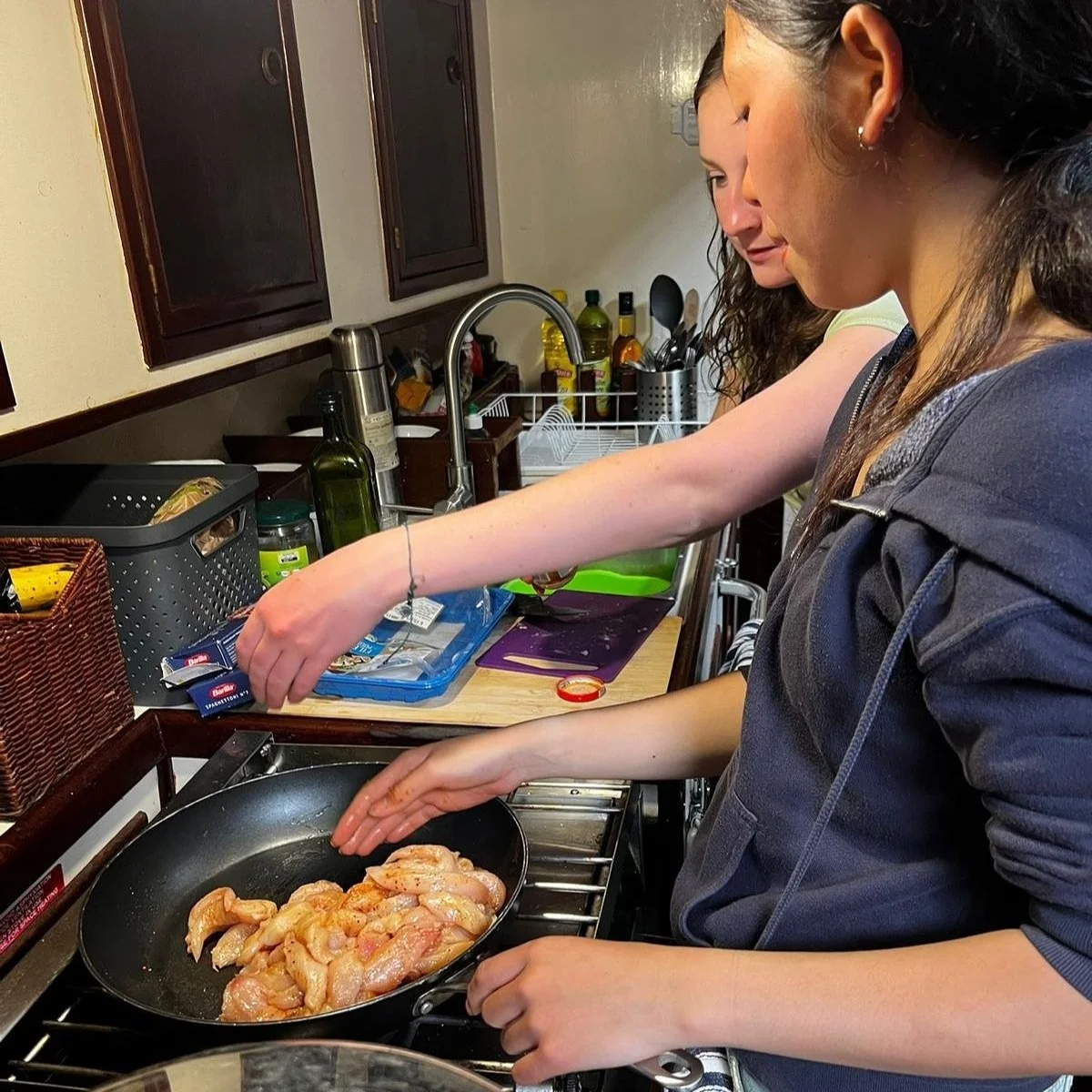
manage daily life as a team
operate in a dynamic, changing environment
In this context, leadership is not just taught—it is required.
Why This Model Produces Lasting Impact
Parents and alumni consistently report that these experiences lead to:
Competence in a prestigious Iifestyle sport, a skill that can pay dividends for a lifetime
Increased self confidence
Greater independence
Improved teamwork skills and communication
Stronger sense of identity and direction
Because teenagers are:
trusted with real responsibility
challenged in unfamiliar environments
supported within a close, consistent team
The experience becomes not just memorable, but truly formative.
A Prime Example: European Leadership Expeditions
Programs such as those run by QBE Sailing take this model further by combining:
Small international crews (typically 6–7 participants per boat)
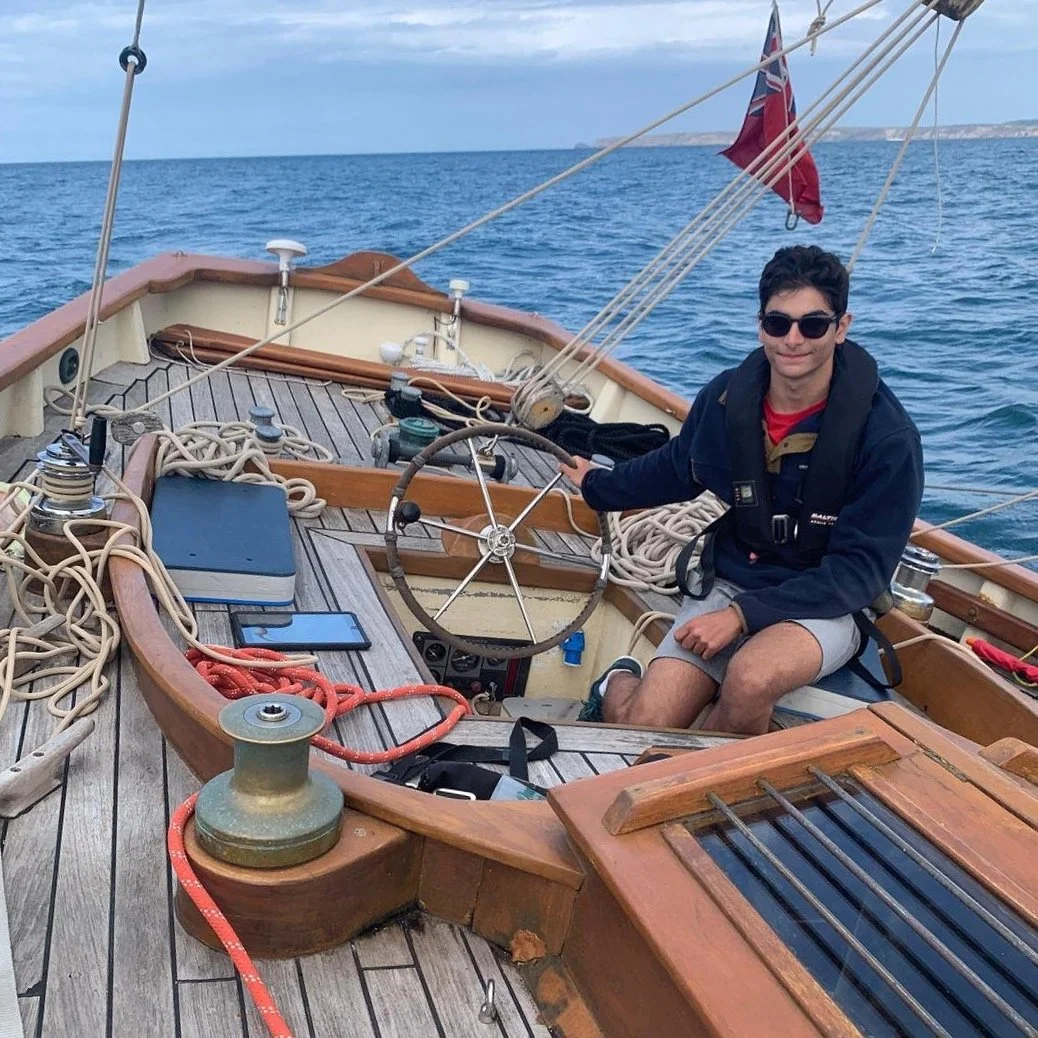
Classic yachts requiring hands-on teamwork
Navigationally complex European waters
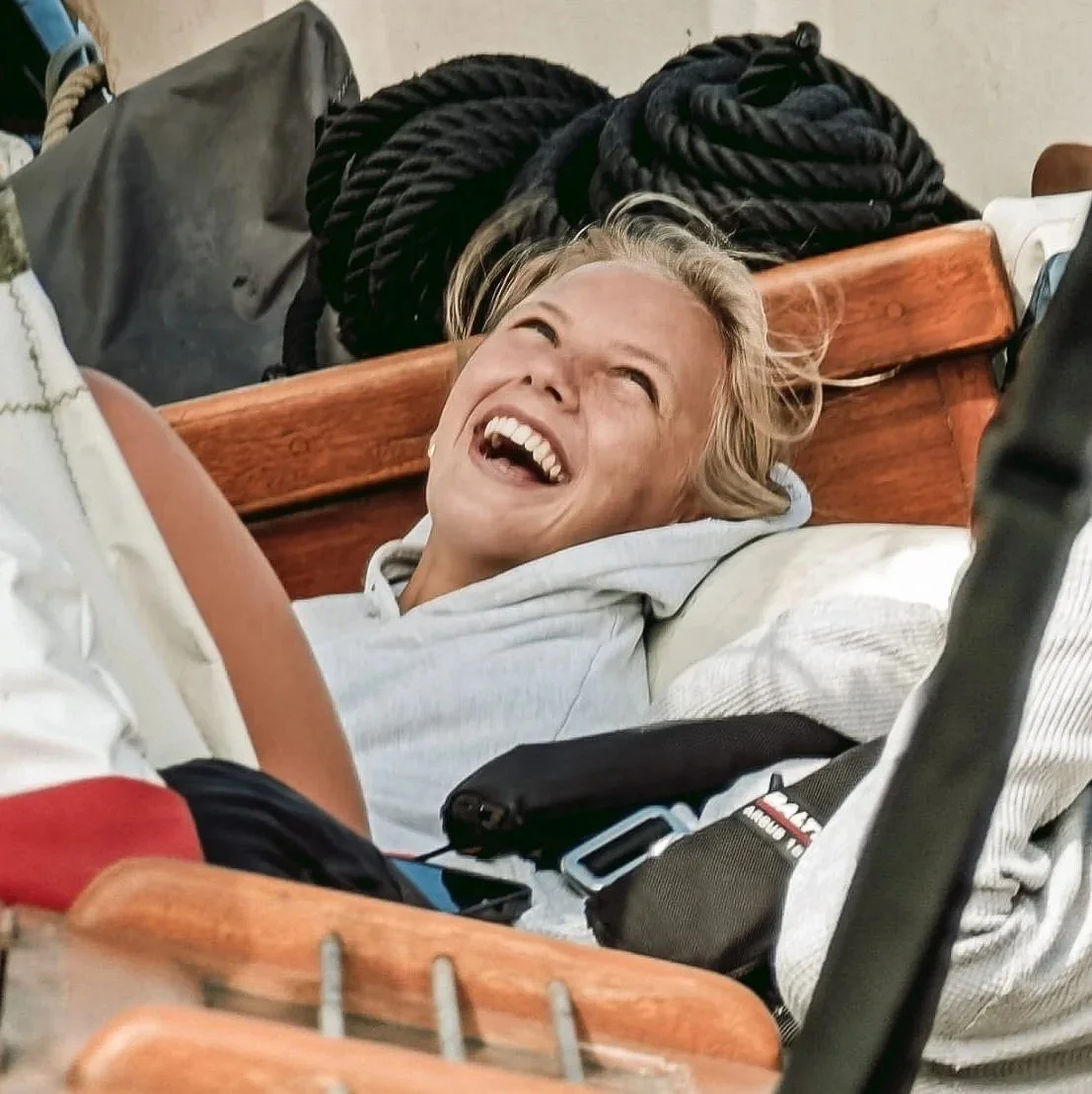
Authentic cultural immersion in coastal towns in France and the Channel Islands
Participants are not passengers—they are active members of the crew, contributing to navigation, sailing, and daily life onboard.
The result is an experience that blends:
adventure
leadership development
cultural discovery
…into a single, cohesive journey.
How to Choose the Right Program for Your Teen
When evaluating options, consider:
1. Level of Responsibility
Will your teen be actively responsible for meeting goals—or primarily guided?
2. Group Size
Smaller groups typically mean deeper growth and stronger relationships over a short period of time. The shorter the program, the more group size matters.
3. Type of Challenge
Is the program physically, mentally, and socially demanding?
4. Degree of Immersion
Does the experience feel authentic—or staged?
5. Long-Term Impact
Will your teen return with:
stories
confidence
independence
a clearer sense of self
Final Thoughts
There are many excellent summer programs for teens in Europe.
But the ones that stand out years later are those that:
make real demands on each participant
require genuine responsibility
and immerse teenagers in environments where they have to stand up
For families seeking more than a holiday—for those looking for a truly formative experience—small-group leadership expeditions offer something rare:
👉 Not just a summer abroad, but a lasting shift in confidence, capability, and perspective.
If you’re exploring European summer programs that emphasize leadership, independence, and real-world experience, you may want to learn more about QBE’s small-crew expeditions along the coasts of western France and the Channel Isles.
From a Perplexity query (April 2026):
-
Parents and alumni tend to describe QBE as unusually “life‑changing” and identity‑shaping because it is a small, high‑responsibility, European expedition that explicitly frames itself as leadership and life-story development—not just a fun sailing course—so the memories and perceived long‑term effects are different from many other teen sailing programs.
How QBE’s impact is described
QBE’s own testimonials repeatedly call the expeditions “life‑changing,” “defining moments,” and the “single most remarkable experience” of a teen’s life, with one parent noting that years of youth sailing shaped his entire adult career and that he now sees similar growth in his son.
Parents and the independent France Today feature emphasize big, visible shifts in confidence, autonomy, teamwork, and self‑knowledge that “stay with you,” describing teens returning more mature, self‑reliant, and better able to handle challenge long after the voyage.
QBE’s own blog explicitly positions the program as a way to generate powerful stories for essays, interviews, and networking, highlighting teamwork under pressure, real leadership, and global awareness as durable assets for university and life.
How other sailing expeditions describe impact
Other teen sailing operators also report strong long‑term benefits—alumni and parents say teens gain confidence, life skills, maturity, and clarity about such future paths as marine biology, and providers report that 98% of alumni feel they still use skills from the program.
Marketing and reviews for these programs, however, often highlight a broader mix of goals—certifications (sailing, scuba, marine biology), “incredible” adventure travel, and highly professional logistics and safety—alongside personal growth, so impact is framed as part of a wider package.
Research on sail‑training voyages in general shows that even 10‑day developmental voyages can produce self‑esteem gains that persist for months without negative side effects, suggesting that many well‑designed sailing programs can have real, lasting psychological benefits.
Why QBE’s long‑term stories feel different
Depth of responsibility and expedition style – QBE runs 2–3‑week live‑aboard coastal expeditions on traditional gaff‑rig vessels in tidal, navigationally complex waters off Brittany and the Channel Islands, with teens sharing real responsibility for sailing, navigation, and running the boat; parents and alumni highlight this “in charge of their own destinies” feel as transformational, not just instructional.
Small scale and close mentorship – Reviews repeatedly mention direct relationships with the same core leaders […], small international crews, and a “tight‑knit” atmosphere, which makes feedback, coaching, and recognition highly personal—something parents link to big shifts in confidence and independence.
Cultural immersion layered onto challenge – Because QBE runs in France with European coastal towns and multiple cultures along the route, parents point to growth not only in seamanship but also in cultural awareness and comfort navigating unfamiliar environments, which broadens the perceived long‑term impact beyond “just sailing.”
Explicit framing as a formative life story – QBE’s materials coach families and teens to see the voyage as a formative chapter they can “tell” for years—in applications and interviews—so alumni naturally reflect on the experience in terms of identity, leadership, and narrative rather than only skills or fun.
Selection and expectations – QBE markets itself heavily around leadership, worldschooling, and deep personal growth, while many other expeditions prominently feature adventure, certifications, or specific sports; this likely attracts families who are already primed to notice and talk about long‑term character changes, amplifying the perceived impact gap in parent and alumni reports.
So the difference is less that other teen sailing expeditions lack long‑term impact, and more that QBE’s small, demanding, culture‑rich model—and the way it frames and narrates the experience—pushes families to notice, value, and articulate those long‑term effects in a distinct way.