
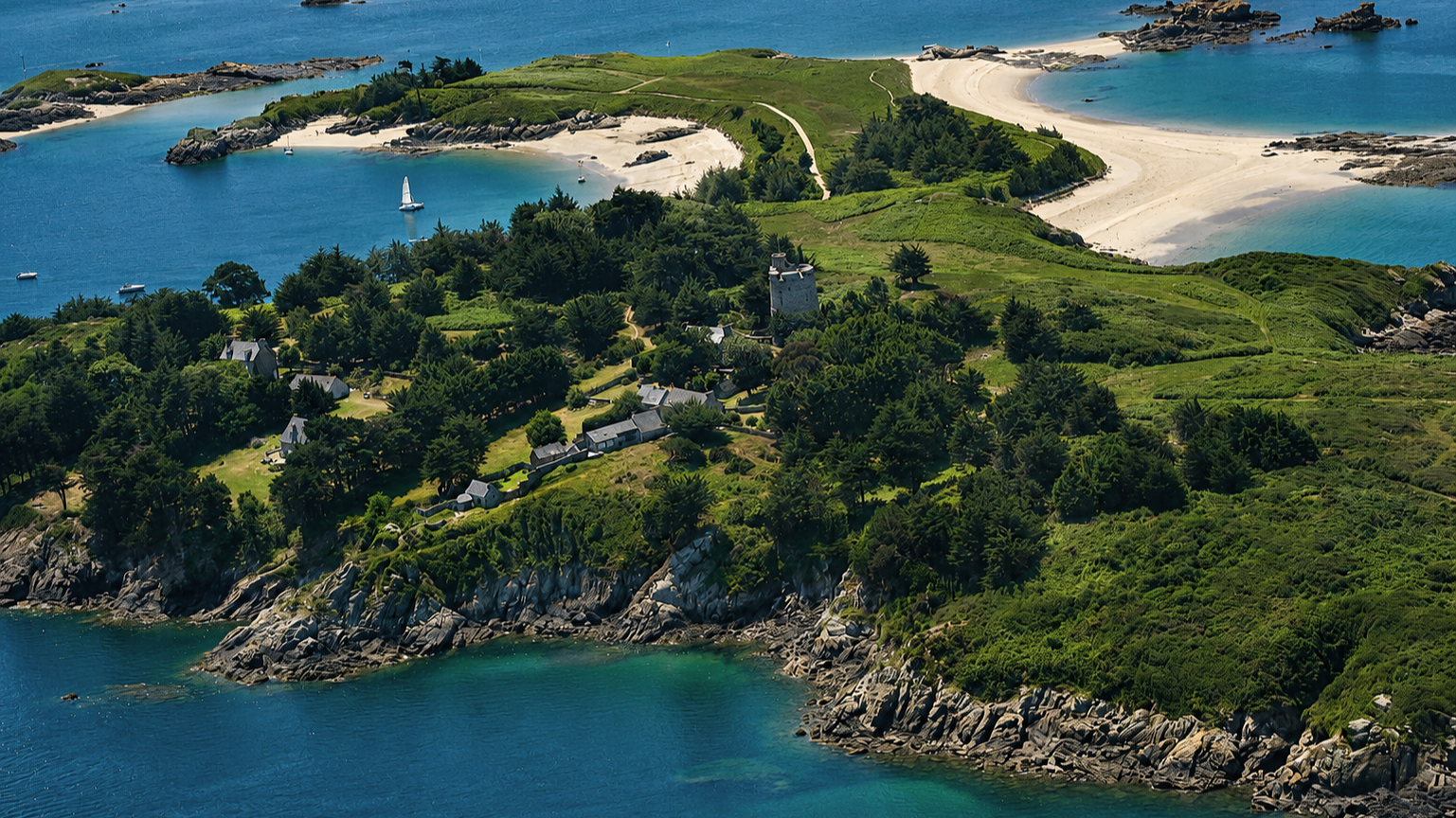
QBE is based in Saint-Malo. And we're fortunate to share the city with another extraordinary entrepreneurial enterprise that more people ought to know about.
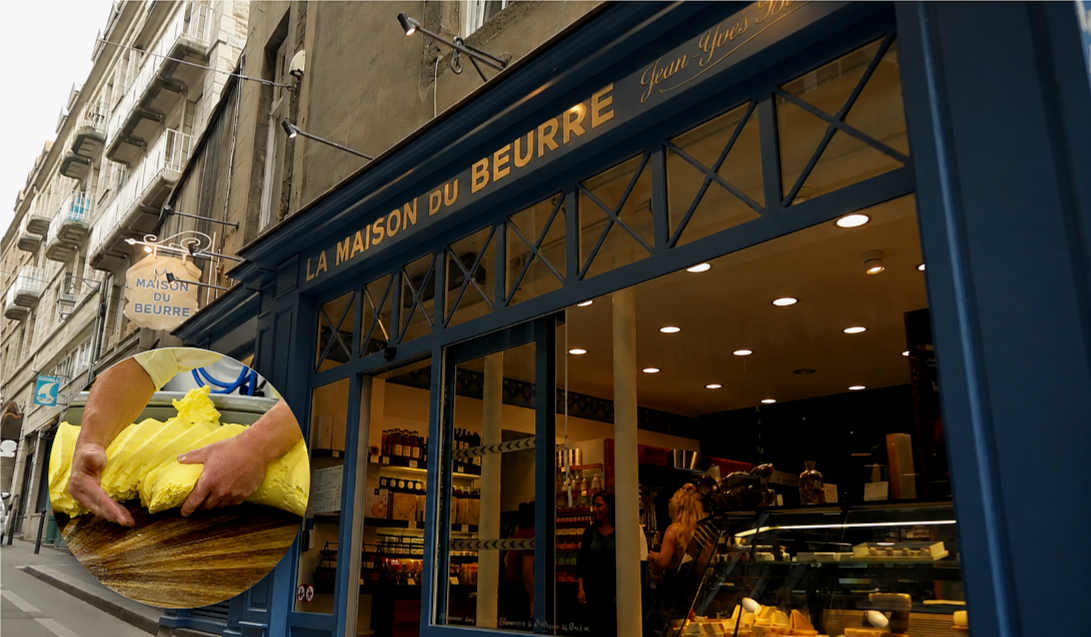
It’s the not-famous-enough creamery, La Maison du Beurre: “The House of Butter” (and they make some fabulous cheese, too).
People go into the shop on the quaint Rue de l’Orme for butter. Many come out with something they weren’t expecting.
The Man and His Motte
Jean-Yves Bordier took over the old Saint-Malo creamery in 1985 and proceeded to rescue a craft that had nearly vanished. It’s worth noting that he originally wanted to be a sailor—it was his parents’ trade as fromagers that eventually drew him to butter and cheese instead. Saint-Malo has a way of doing that: drawing people initially toward the sea, then surprising them with what they find ashore. The art of malaxage—kneading and tapping butter by hand with boxwood paddles, working it into the right texture and density—had been industrialized almost out of existence. M. Bordier brought it back.
The process he uses takes three days. The cream matures for 36 hours before churning even begins. Then comes the churning, then the hand-beating, then the shaping—each block cut from a great golden mound and wrapped in parchment while you watch. Industrial butter takes six hours, start to finish, using machines that do in minutes what Bordier's team does over days.
The result is butter that tastes, improbably, of… something. Not just fat. Something—a richness, a depth, a faint sweetness from Breton pastures—that makes you understand why Michelin-starred chefs have been building their menus around it for decades.
What’s on the Counter
The range is part of the pleasure. You can buy the classic demi-sel—semi-salted, Bordier’s bestseller, the one that needs nothing more than a warm baguette—or be a bit more adventurous. (Note to reader: Don’t EVER ask for unsalted butter in Brittany. It’s heresy!)
There’s seaweed butter, made with three varieties of algae harvested from the waters of western France. Smoked salt. Espelette pepper. Yuzu, inspired by a trip to Japan. Madagascar vanilla. Périgord black truffle. Buckwheat. Wild garlic and Kampot pepper from Cambodia. Olive oil and lemon.
The flavors read like a map of Jean-Yves Bordier's travels and obsessions over forty years. Each one arrived as an encounter—with a spice merchant, a Japanese citrus grower, a Basque pepper farmer—and stayed because it worked.
The Museum in the Back
Past the counter, through the shop, there is a small museum, not a grand one, but an intimate one dedicated entirely to the history of butter in human civilization. According to Bordier's own website, the shop also houses a selection of 230 cheeses aged in their cellars, alongside dairy desserts, fine foods, charcuterie, and wines.
It turns out to be a longer history than you might expect. Butter, it transpires, was not a European invention. The Sumerians were making it in Mesopotamia thousands of years ago. In medieval Europe, it was currency, medicine, and cosmetic as much as food—14th century women used it as a face cream. The tools on display, the old churns and paddles and molds, tell the story of a craft that has been practiced for millennia. It’s alarming that it came within a generation of disappearing entirely.
Thirty Steps to the Boulangerie
The protocol, once you have chosen your butter and watched it being cut and wrapped, is straightforward. Turn left out of the shop. Walk thirty steps. Join the queue/line at the boulangerie on the corner, where baguettes come out of the oven at intervals throughout the day.
Buy one while it’s still warm.
Walk to the ramparts.
Eat it there, looking out over the sparkling water of the Bay of Saint-Malo.
The seaweed butter, some of our crew members have noted, tastes remarkably like the sea smells at six in the morning when the sun is just beginning to come up over the water.
We are not sure whether Bordier intended that. We suspect he might have.
(The butter, by the way, is extraordinary. And we’re not getting paid to say that.)