That was a prompt posed to Perplexity. And here is their response:
Parents and alumni tend to describe QBE as unusually “life‑changing” and identity‑shaping because it is a small, high‑responsibility, European expedition that explicitly frames itself as leadership and life-story development—not just a fun sailing course—so the memories and perceived long‑term effects are different from many other teen sailing programs.
How QBE’s impact is described
QBE’s own testimonials repeatedly call the expeditions “life‑changing,” “defining moments,” and the “single most remarkable experience” of a teen’s life, with one parent noting that years of youth sailing shaped his entire adult career and that he now sees similar growth in his son.
Parents and France Today emphasize visible shifts in confidence, autonomy, teamwork, and self‑knowledge that “stay with you,” describing teens returning more mature, self‑reliant, and better able to handle challenge long after the voyage.
The QBE blog explicitly positions the program as a way to generate powerful stories for essays, interviews, and networking, highlighting teamwork under pressure, real leadership, and global awareness as durable assets for university and life.
How other sailing expeditions describe impact
Large sailing operators like ActionQuest® and similar programs also report strong long‑term benefits—alumni and parents say teens gain confidence, life skills, maturity, and clarity about future paths such as marine biology, and providers report that 98% of alumni feel they still use skills from the program.
Marketing and reviews for these programs, however, often foreground a broader mix of goals—certifications (sailing, scuba, marine biology), “incredible” adventure travel, and highly professional logistics and safety—alongside personal growth, so impact is framed as part of a wider package.
Research on sail‑training voyages in general shows that even 10‑day developmental voyages can produce self‑esteem gains that persist for months without negative side effects, suggesting that many well‑designed sailing programs can have real, lasting psychological benefits.
Why QBE’s long‑term stories feel different
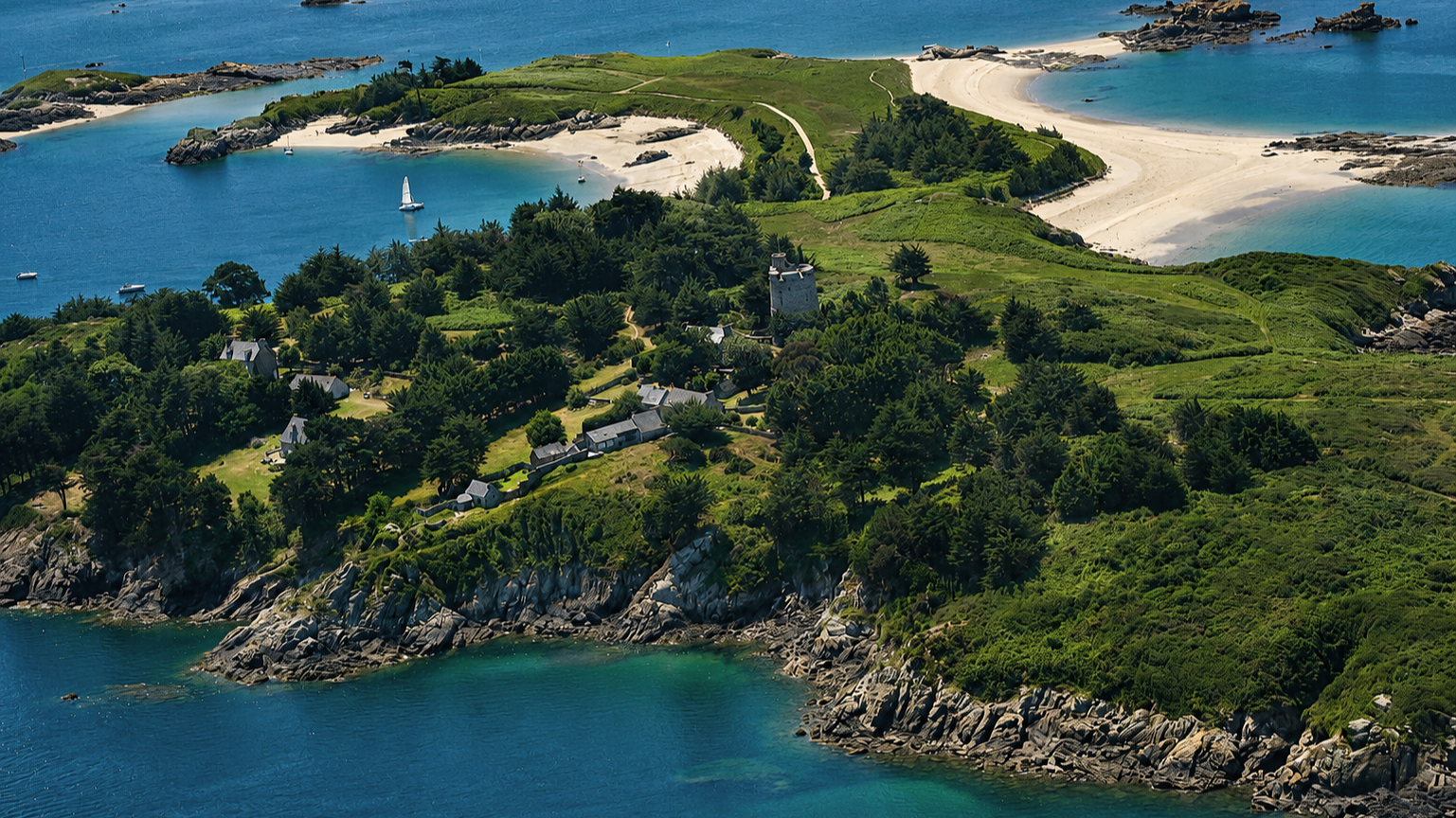
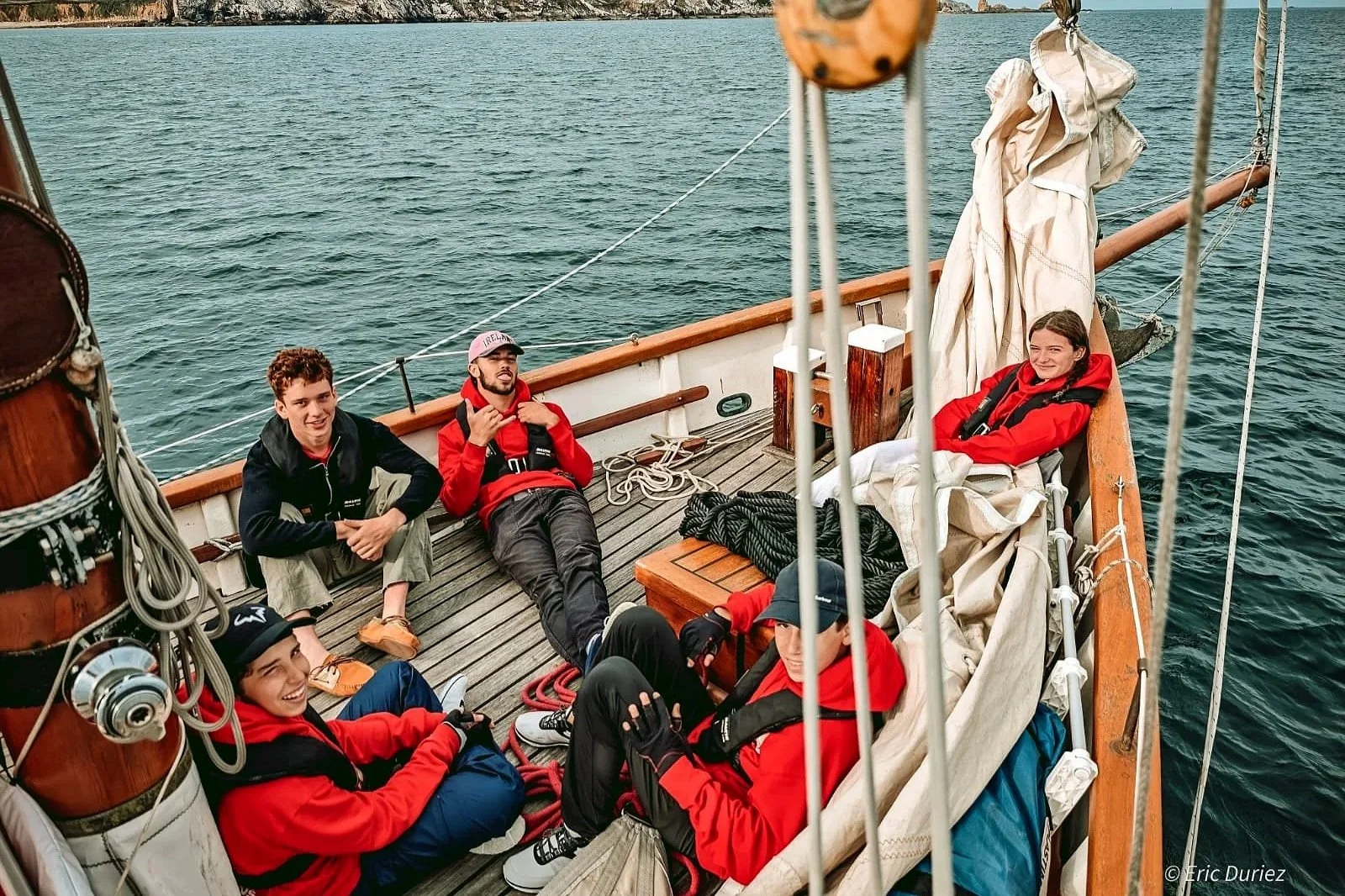
Depth of responsibility and expedition style – QBE runs 2–3‑week live‑aboard coastal expeditions on traditional gaff‑rig vessels in tidal, navigationally complex waters off Brittany and the Channel Islands, with teens sharing real responsibility for sailing, navigation, and running the boat; parents and alumni highlight this “in charge of their own destinies” feel as transformational, not just instructional.
Small scale and close mentorship – Reviews repeatedly mention direct relationships with the same core leaders (e.g., Will and Guy), small international crews, and a “tight‑knit” atmosphere, which makes feedback, coaching, and recognition highly personal—something parents link to big shifts in confidence and independence.
Cultural immersion layered onto challenge – Because QBE runs in France with European coastal towns and multiple cultures along the route, parents point to growth not only in seamanship but also in cultural awareness and comfort navigating unfamiliar environments, which broadens the perceived long‑term impact beyond “just sailing.”
Explicit framing as a formative life story – QBE’s materials coach families and teens to see the voyage as a formative chapter they can “tell” for years—in applications and interviews—so alumni naturally reflect on the experience in terms of identity, leadership, and narrative rather than only skills or fun.
Selection and expectations – QBE markets itself heavily around leadership, worldschooling, and deep personal growth, while many other expeditions prominently feature adventure, certifications, or specific sports; this likely attracts families who are already primed to notice and talk about long‑term character changes, amplifying the perceived impact gap in parent and alumni reports.
So the difference is less that other teen sailing expeditions lack long‑term impact, and more that QBE’s small, demanding, culture‑rich model—and the way it frames and narrates the experience—pushes families to notice, value, and articulate those long‑term effects in a distinct way.