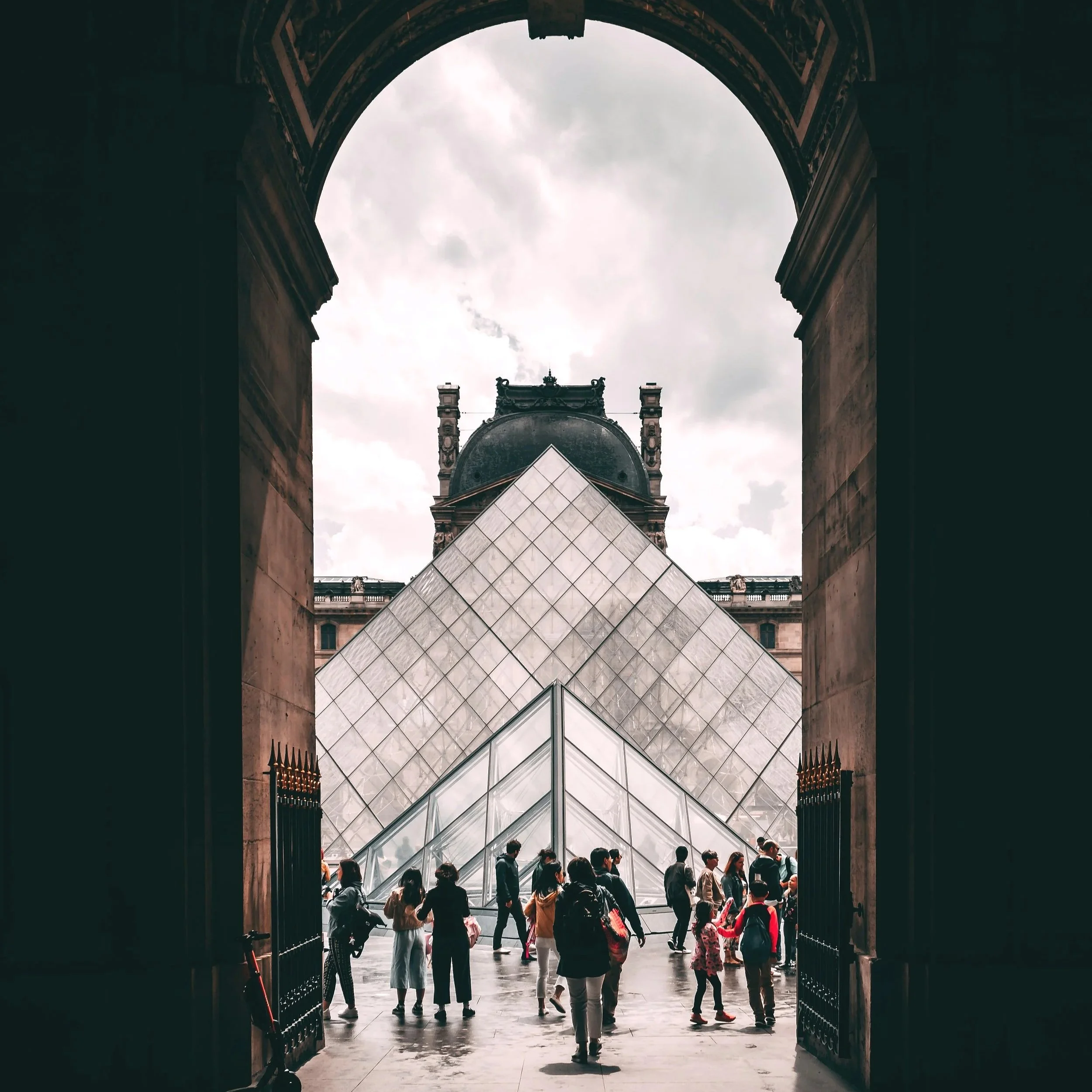
When most foreigners think of traveling to France, especially for a first-time visit, the country’s cultural capital seems the obvious place to start. The Eiffel Tower, the Louvre, Notre-Dame, Montmartre: these are some of the greatest hits of a bucket-list city. To be sure, Paris is a beautiful, extraordinary place. The City of Light shines like no other.
But at peak season, it can be a bit much, with shoulder-to-shoulder crowds, long lines everywhere, inflated prices, and tourist traps waiting for anyone who looks the slightest bit disoriented. The magic is certainly there, but for teens on their very first adventure to a European cultural capital, Paris can be a lot to process.
So, here’s a different idea:
What if your teen’s first experience of France doesn’t begin in Paris?
Discovering the “Real France”
Beyond the capital lies what the French call la France profonde—the “deep,” authentic France of small towns, fishing villages, open-air markets, and relaxed rural life. It’s where patrimony and culture aren’t on display for tourists, but are actually lived.
This is the France our crew members come to know. They learn some of the language. They get comfortable using euros. They figure out which culinary specialities they like best (usually most of them). They try regional cheeses and learn that French pastries aren’t as sweet as they look (but are still to die for). They live, for a few weeks, inside an authentic culture rather than sampling what often feels like a curated version of it.
Confidence first, the capital city later
There’s also a good chance our QBE expeditioners will meet someone from Paris or the Paris region—a new friend they can reconnect with when they eventually visit the capital. And when that day comes, they won’t be arriving as overwhelmed tourists. They’ll show up as young, experienced travelers who already have an appreciation for the country.
They’ll know how to order food, greet shopkeepers, navigate a grocery, and handle everyday interactions with confidence. They’ll recognize rhythms, phrases, and customs that will make Paris feel more familiar and certainly less intimidating.
Sometimes the best way to experience an iconic city is not to start there.
Starting in the provinces means that by the time young adults reach Paris, they’re truly ready to hit the ground running. Instead of burning energy dealing with culture shock, they’re free to focus on discovery, soaking up world-class art, exploring neighborhoods, and enjoying one of the great cities of the world with eyes wide open and uncertainty dialed down.
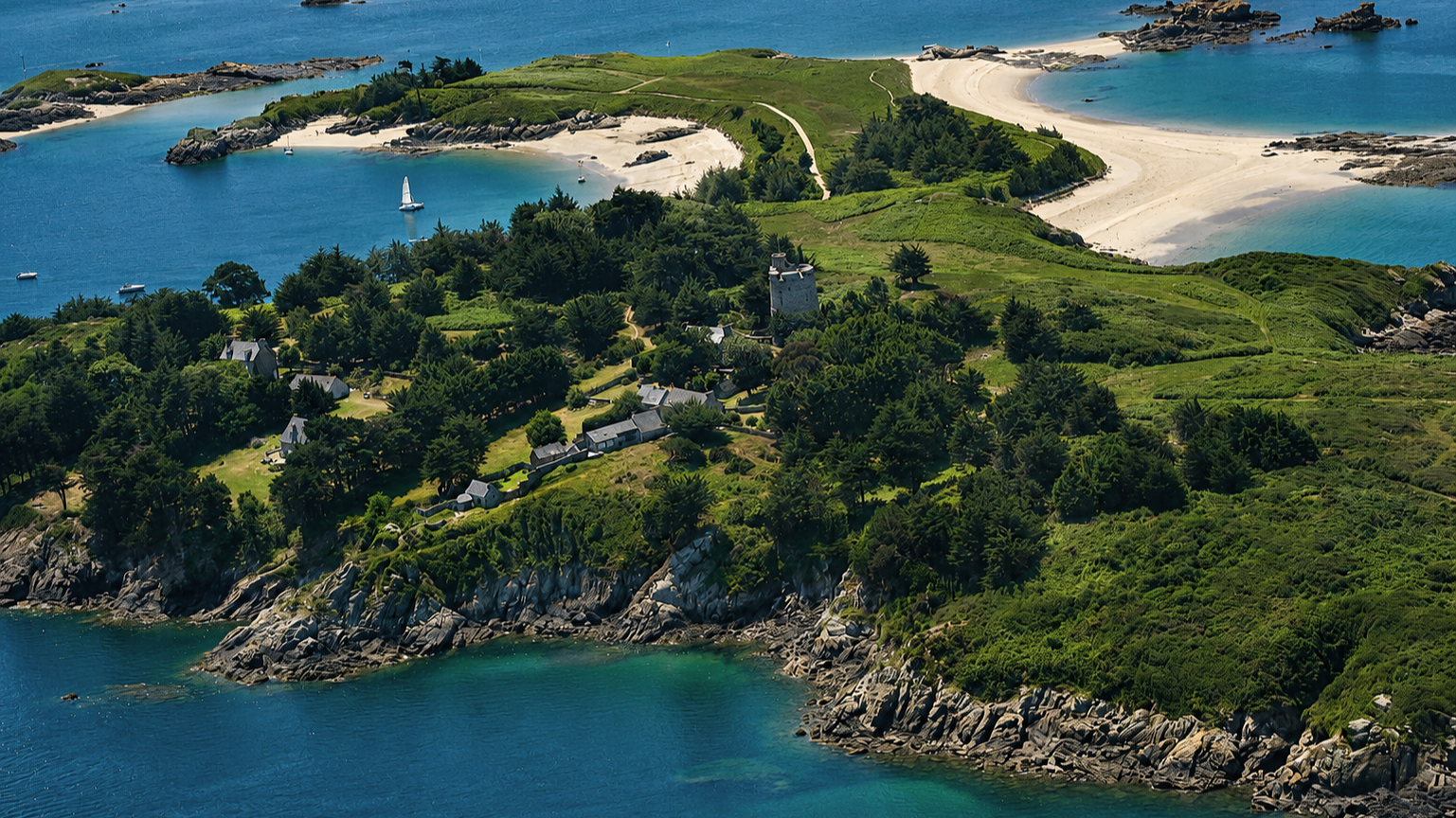
(So what’s a great starting point? We suggest you can’t do much better than Brittany in the summertime—prehistoric megaliths, vibrant seaside towns, and an array of colorful cultural festivals and regattas!)
Read more about our summer coastal expeditions for teens in Brittany on classic yachts.