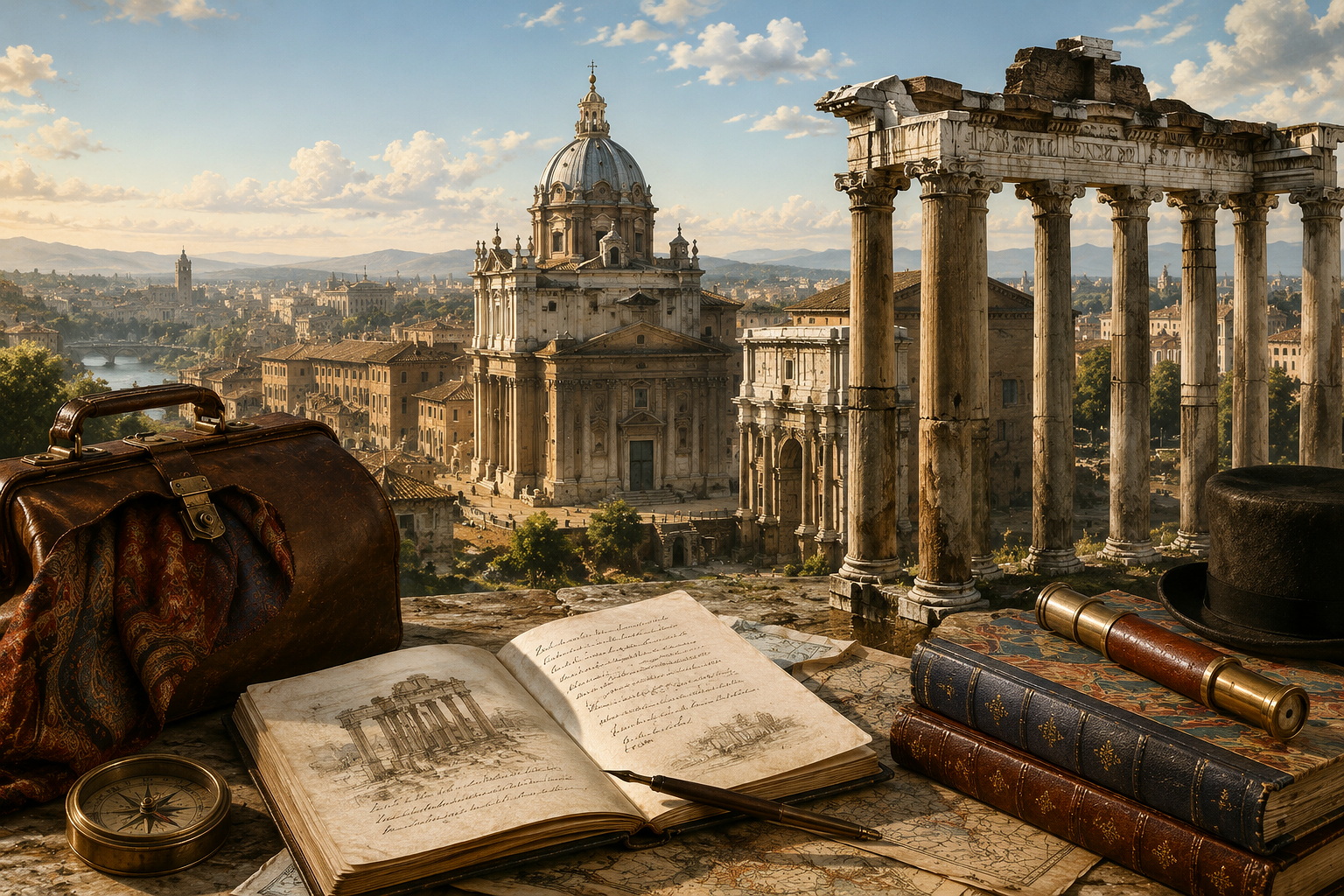
There was a time when finishing your education meant packing a trunk and disappearing into Europe for a year or two. No syllabus. No final exam. Just cities, coastlines, tutors, and time.
That tradition was called the Grand Tour, and it shaped generations of young Europeans—mostly wealthy British men in their late teens and twenties—from roughly the mid-1600s through the early 1800s. QBE’s sailing expeditions are, in their own way, a modern echo of that old idea: that real education often happens outside the classroom, in unfamiliar places, under the guidance of people who’ve been there before.
What Was the Grand Tour, Exactly?
The Grand Tour was an extended trip through Europe—typically France and Italy, sometimes extending to Germany, Switzerland, or Greece—undertaken by young men (and occasionally women) from wealthy families as a capstone to their education. It usually followed university and could last anywhere from several months to several years.
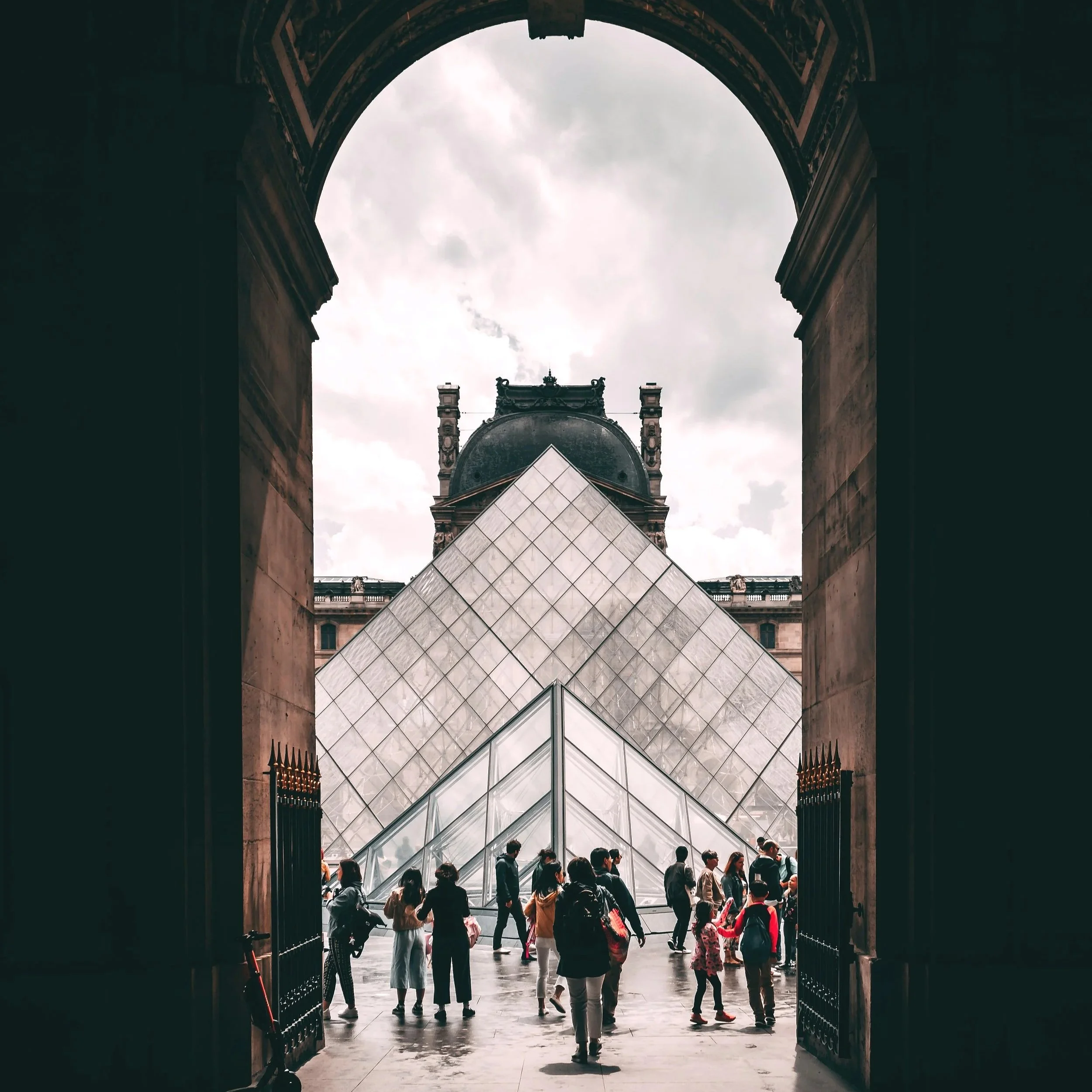
A tutor or chaperone, sometimes called a "bear-leader," traveled with the young person, and the itinerary was fairly predictable: Paris for manners, language, and society; Italy for classical ruins, Renaissance art, and antiquity; maybe a stop in the Alps for scenery that had started to feel newly fashionable as the Romantic era approached.
It wasn't a vacation. It was considered a serious, almost mandatory finishing step—the idea that you couldn't really understand history, art, architecture, or diplomacy from a book alone. You had to stand in front of the Colosseum. You had to hear Italian spoken in Florence. You had to navigate customs, currencies, and unfamiliar cities without your parents solving problems for you.
“A man who has not been in Italy is always conscious of an inferiority, from his not having seen what it is expected a man should see.””
Well. A bit snobbish! Still, people do instinctively understand that travel, especially to places replete with historical treasures, broadens the mind. The same quip could easily apply to, say, France. Or Greece. Or Egypt.
More broadly, Dr. Johnson was pointing out the sort of transformation that stems from a mind-opening foreign adventure.
The Grand Tour was intended to serve several purposes:
Cultural literacy. Wealthy families wanted their sons to be conversant in classical history, art, and architecture—not from secondhand descriptions, but from firsthand exposure. Seeing the ruins of Rome mattered more than reading about them.
Social and diplomatic polish. Time in French and Italian society was meant to sand down the rough edges of parochialism, teaching young men how to carry themselves, converse, and move comfortably among people from other cultures and classes.
Independence and resilience. Even with a tutor along, young travelers had to manage unfamiliar languages, sketchy roads, and the everyday friction of foreign travel. That friction was the point. Learning to handle it was as valuable as anything in the museums.
Networking, long before the word existed. Grand Tourists crossed paths with other travelers, foreign nobility, and expatriate communities—relationships that often mattered later in political or business life.
In short, the Grand Tour treated travel itself as an education: not a break from learning, but a different, more immersive form of it.
Enter QBE: A Grand Tour On Sailboats
Fast-forward two centuries and the instinct behind the Grand Tour hasn’t disappeared, it’s just morphed somewhat.
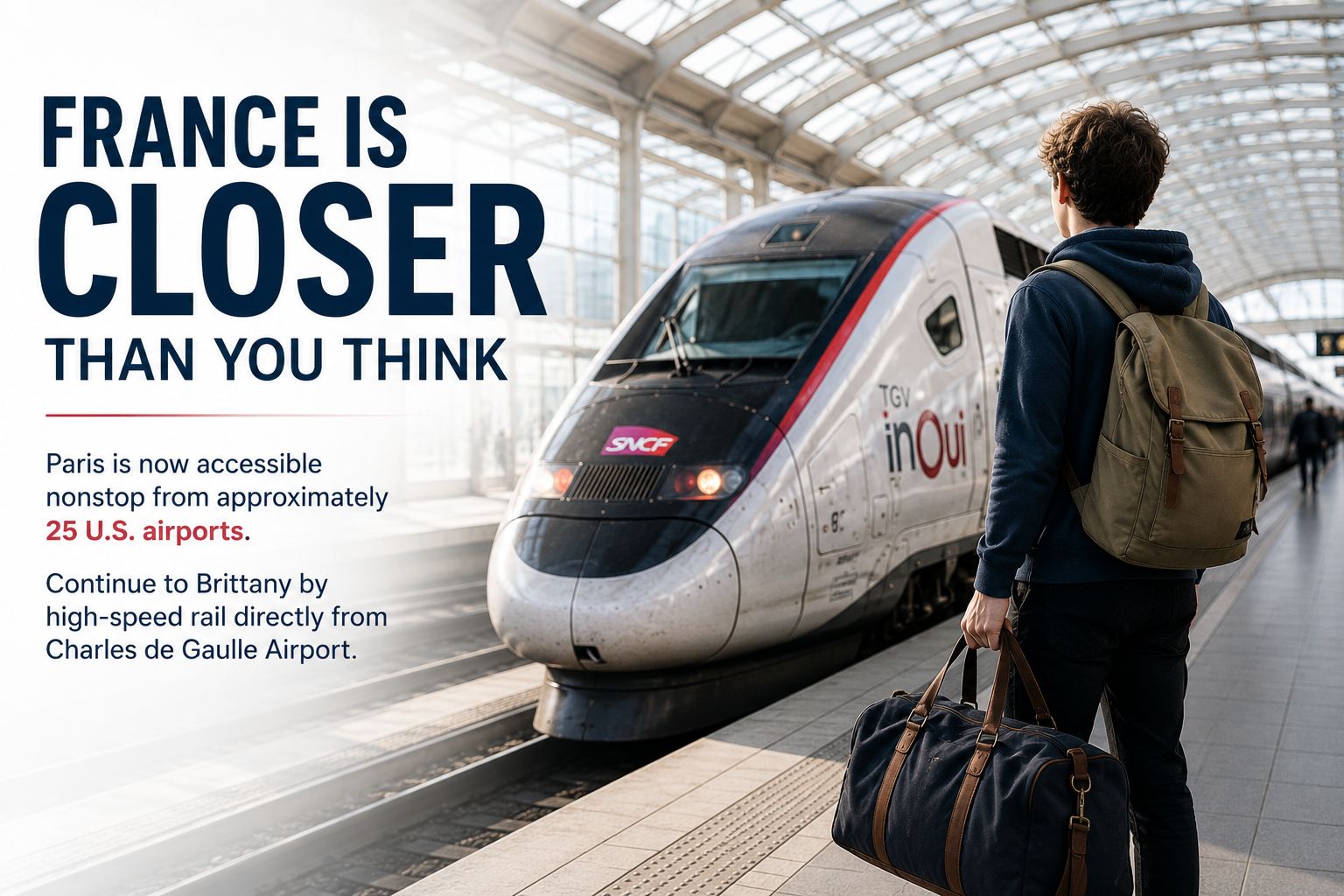
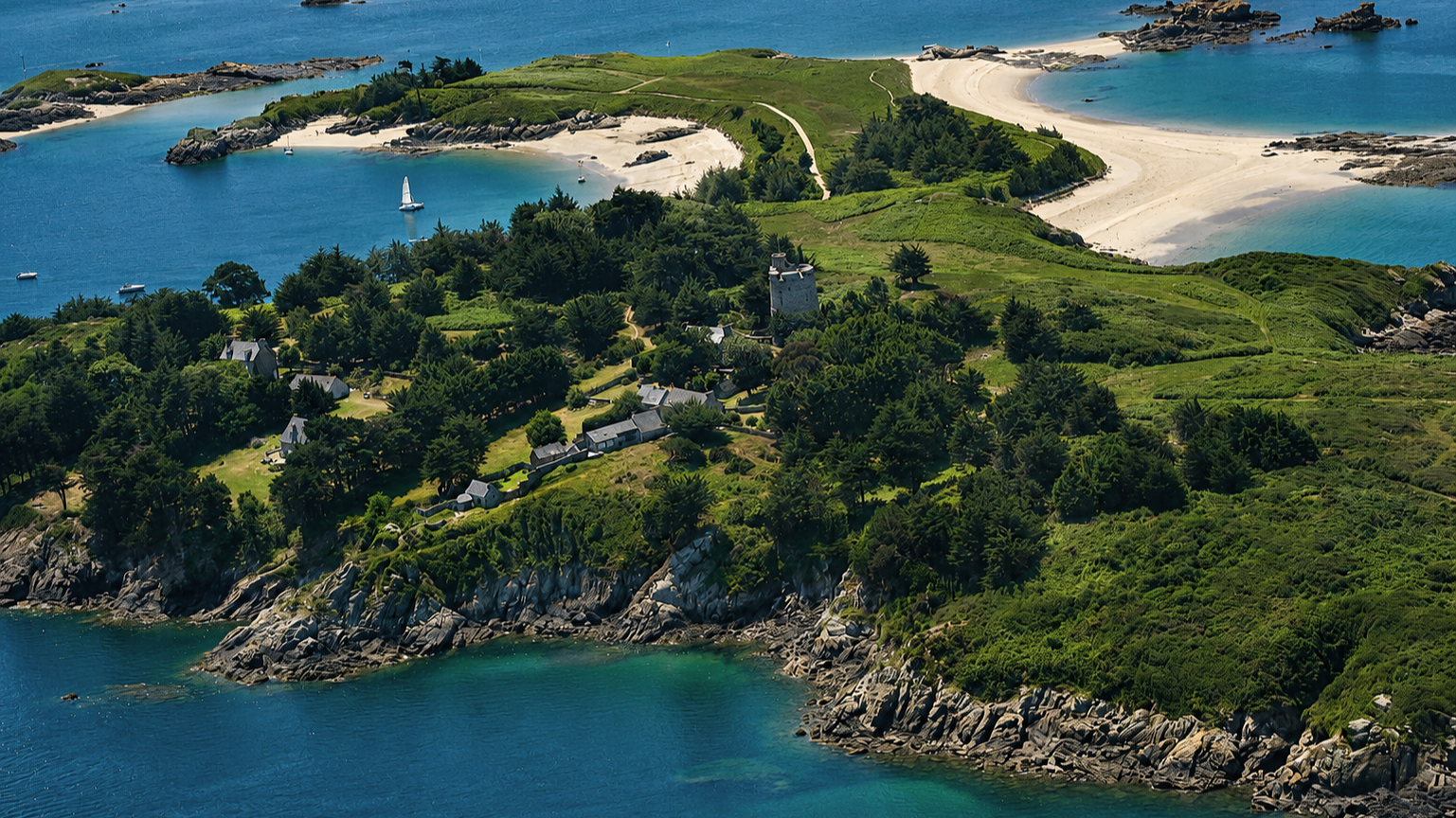
Today, for example, we run sailing expeditions for teenagers on classic boats along the historic coastlines of Brittany—and sometimes out to the Channel Islands. The parallels to the old Grand Tour are hard to miss, even if the transportation has changed from a horse-drawn carriage to a pilot cutter.
Consider what a QBE expedition actually involves. Small groups of 14-to-18-year olds live and work aboard a classic gaff-rigged boat, sailing along the same mythical coastlines that have drawn travelers for centuries. The program folds personal-development and "worldschooling" goals into an old-school sailing experience, framed explicitly around teaching collaboration, resilience, leadership, coastal ecology, and authentic European culture. That’s not a big leap from the Grand Tourist’s brief: go abroad, encounter something wondrously unfamiliar, and come back changed by it.
The overlaps go further:
A tutor-guide model, updated. Where the Grand Tour had its “bear-leader,” QBE has experienced crew and instructors traveling alongside participants, providing close-enough supervision to keep everyone safe while loose-enough to let young people actually make decisions.
Immersion over itinerary. Just as a Grand Tourist didn’t take motorcoach tours of Rome but walked its streets for weeks, QBE crew members don’t just visit the Brittany coast—they sail into working harbors like Lorient and Brest, and out to any number of islands, absorbing the geography, the tides, and the local culture at the pace a sailboat actually moves.
Independence as the curriculum. The old Grand Tour prized the resilience built by navigating a foreign country somewhat on your own. QBE builds this in deliberately: the boats are large enough to be genuinely seaworthy but small enough that novice sailors can quickly take a turn at the helm and make real navigation decisions. Nobody hands a sixteen-year-old the helm of a 46-foot cutter and expects him or her to remain a passenger for long.
A network that outlasts the trip. Grand Tourists returned home having met people who mattered for the rest of their lives. QBE crews are notably international—a recent season welcomed teenagers from the UK, France, the United States, Ireland, Sweden, Brazil, Spain, Poland, Angola, Switzerland, and more—which means a summer on the water doubles as an early, informal lesson in navigating a genuinely global peer group.
Living inside the experience, not just visiting it. One thing QBE likes to point out is that our boats are our hotels. There’s no daily packing and unpacking, no shuttling between different hotels or hostels—the adventure is continuous, much like a Grand Tourist’s carriage-and-inn circuit, except the “inn” moves with the tide.
Same Concept, Smaller Trunk
Nobody is claiming a few weeks of sailing off Brittany is a literal substitute for a year touring Renaissance Italy. The historical Grand Tour was steeped in classical antiquity and aristocratic social training in a way a short sailing trip simply can’t replicate.
But the underlying philosophy is strikingly similar: that some kinds of growth—independence, cultural fluency, the confidence that comes from handling unfamiliar situations without a parental crutch nearby—can't be taught from a desk. They have to be lived, ideally somewhere far from home, ideally with just enough structure to keep things safe and just enough freedom to make it real.
The 18th-century aristocrat came home able to discuss Michelangelo over dinner. The modern teenager comes home having actually steered a boat along challenging shorelines. Different centuries, different amenities, different modes of transportation, but same basic proposition: that travel, done right, is one of the best classrooms there is.