
Outdoor Experiential Education—The Proven Difference Maker.
IN A WORLD OF SCREENS, standardized tests, and packed schedules, education is often confined to desks, devices, and deadlines. But the fact is, some of the most valuable life lessons happen outside the classroom: in the wind, rain, sunlight, and silence of nature.
Outdoor experiential education isn’t just a break from the routine. It’s a research-backed, life-shaping approach that cultivates resilience, leadership, and a deeper understanding of the natural world and of oneself.
What Is Outdoor Experiential Education?
At its core, experiential education involves learning by doing. Add the great outdoors, and you get immersive program(me)s where students sail, hike, climb, and problem-solve in unfamiliar real-world environments, far removed from their comfort zones.
And it’s not always about “survival skills.” It’s about developing:
Critical thinking and leadership skills
Emotional intelligence and teamwork
Environmental awareness and stewardship
Breaking down parochialism and broadening horizons
Imagine: a group of teens working together to navigate a sailboat, building trust and communication with every knot they tie and every navigation chart they read.
Why Outdoor Adventure Matters More Than Ever
It Builds Real-World Resilience
When you're caught in a squall mid-expedition or try to navigate using the stars and a compass, you jettison your crutches and learn to improvise, persist, and stay steady under pressure—skills essential for successful life outcomes.
It Fosters Deep Connections
Outdoor challenges forge a bond with nature that no documentary can replicate. It also fosters deep connections between peers, formed through shared goal attainment.
It Nurtures a Holistic Person
In nature, students are more than just their brains—they’re bones and sinew, hearts and hands. Outdoor experiential education supports physical health, mental well-being, and self-confidence in one integrated experience.
It Sparks Passion and Curiosity
Whether learning a new skill, discovering a new culture, or meeting group challenges, learners discover the why behind the what. They move from passive observation to active inquiry.
Sailing as a Learning Platform
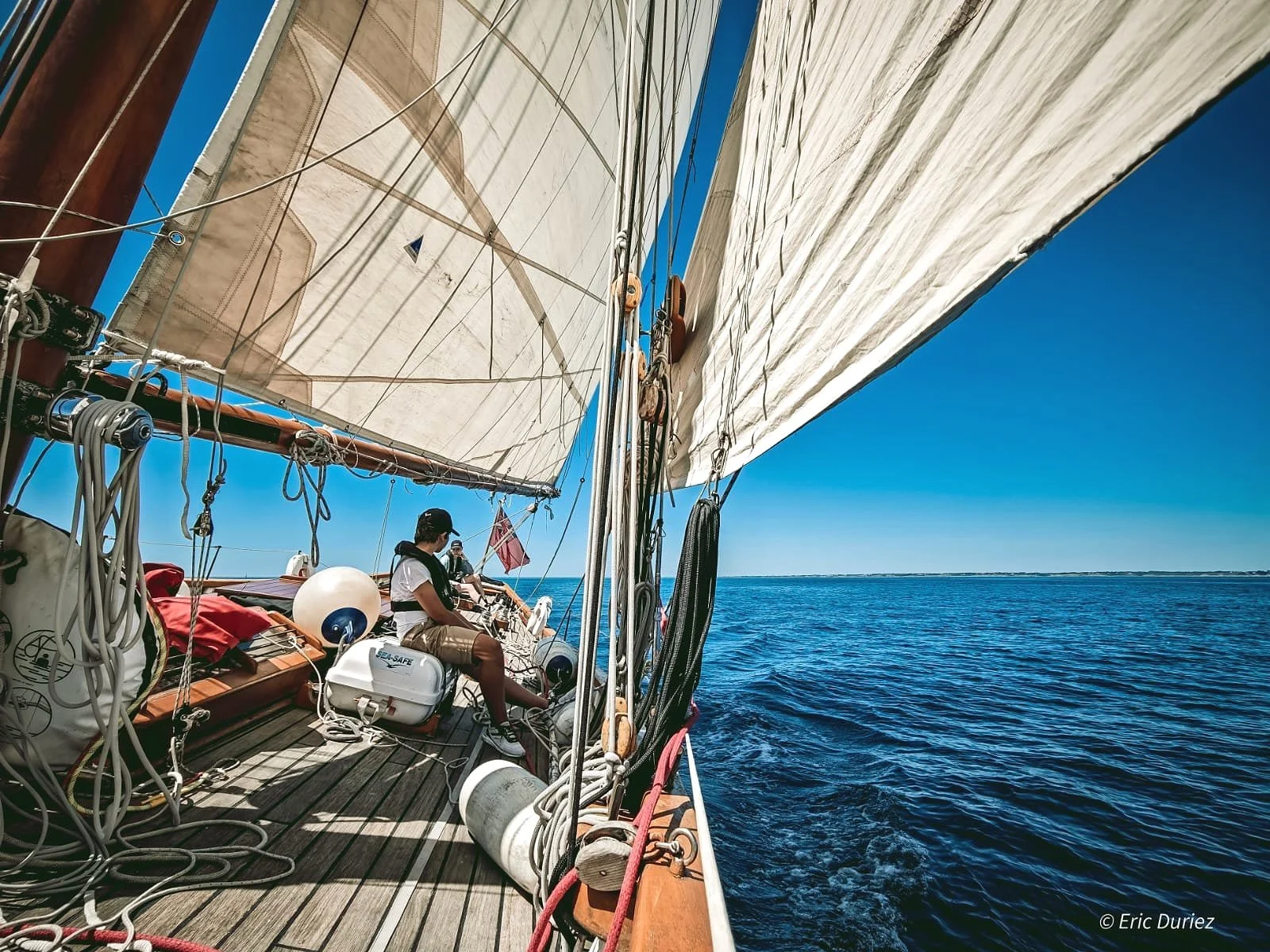
Imagine a team of high school students aboard a 14m traditional yacht. Each day brings new tasks and hones repetitive ones:
Learning how to tack, trim sails, and navigate in open water
Cooking meals and living in tight quarters
Seeing the world through a new prism and, as a result, discovering new possibilities
Mistakes can be sudden. So are the consequences. Success is shared. Learning is constant. And none of it involves a traditional textbook. Yet the leadership, accountability, and communication lessons are not only profound, but lifelong.
From the Wilderness Back to the Familiar World
Outdoor experiential education isn’t an escape from “the real world” — it’s training for success in it. Students return from outdoor adventures more confident, collaborative, and curious. They learn to manage uncertainty, take initiative, and respect all the interconnected systems, sometimes complex—both ecological and human—around them.
A Tried-and-True Educational Strategy for the 21st Century
As society rethinks what true preparation for adulthood should look like, outdoor experiential education is gaining worldwide traction. From gap-year program(me)s and wilderness schools to school-sponsored outdoor weeks and sailing expeditions like QBE’s, the demand is growing—and for good reason.
When we move the classroom outdoors, we don’t just change the setting. We change the student.
Interested in how outdoor experiential education can elevate your teen’s life trajectory or your school’s extracurricular approach? Let’s talk. The adventure—and the learning—starts here.