
Learning Outside the Classroom: The Transformative Power of Outdoor Experiential Education

Outdoor Experiential Education—The Proven Difference Maker.

IN A WORLD OF SCREENS, standardized tests, and packed schedules, education is often confined to desks, devices, and deadlines. But the fact is, some of the most valuable life lessons happen outside the classroom: in the wind, rain, sunlight, and silence of nature.

Outdoor experiential education isn’t just a break from the routine. It’s a research-backed, life-shaping approach that cultivates resilience, leadership, and a deeper understanding of the natural world and of oneself.

What Is Outdoor Experiential Education?

At its core, experiential education involves learning by doing. Add the great outdoors, and you get immersive program(me)s where students sail, hike, climb, and problem-solve in unfamiliar real-world environments, far removed from their comfort zones.

And it’s not always about “survival skills.” It’s about developing:

  • Critical thinking and leadership skills

  • Emotional intelligence and teamwork

  • Environmental awareness and stewardship

  • Breaking down parochialism and broadening horizons

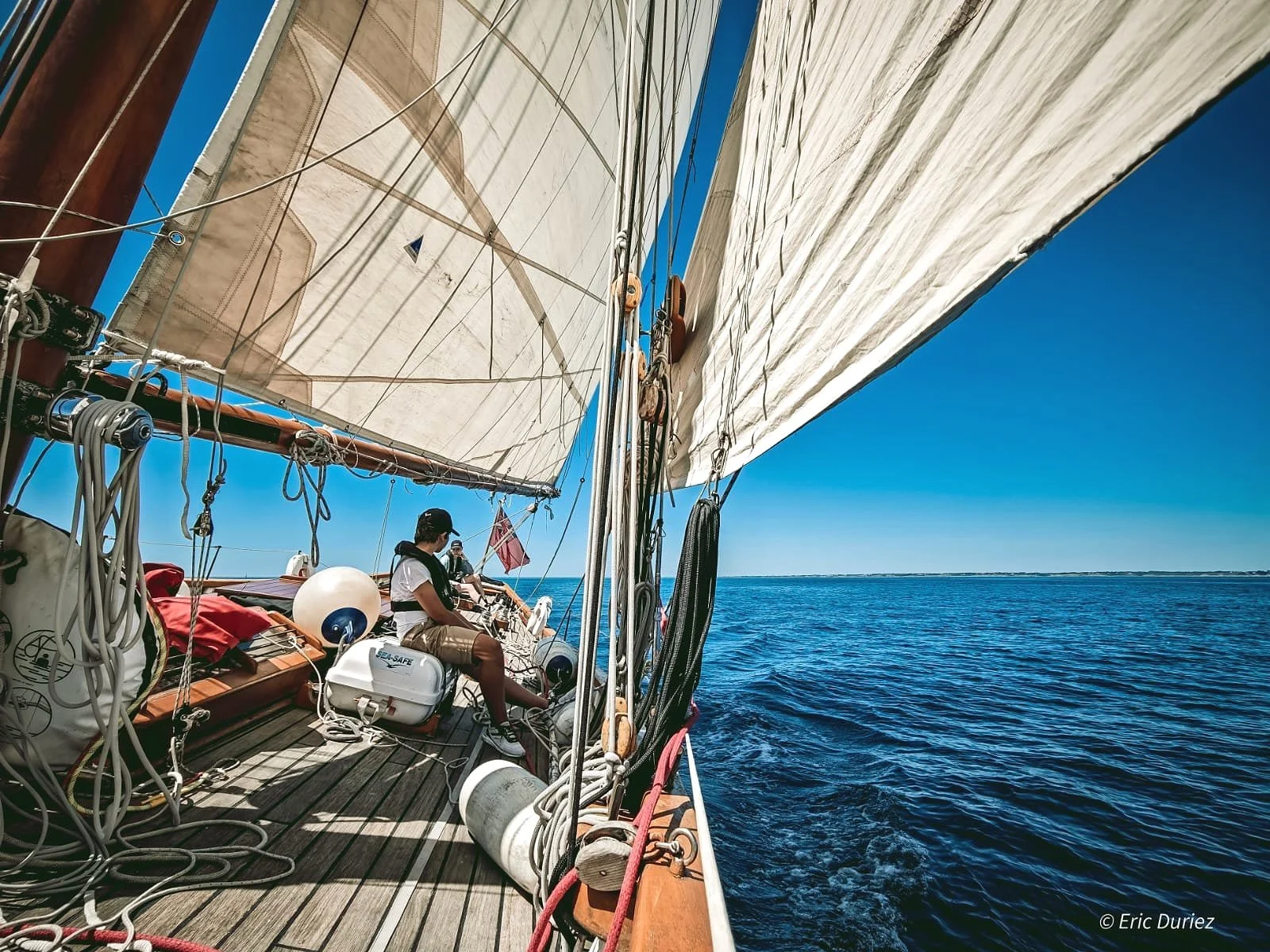
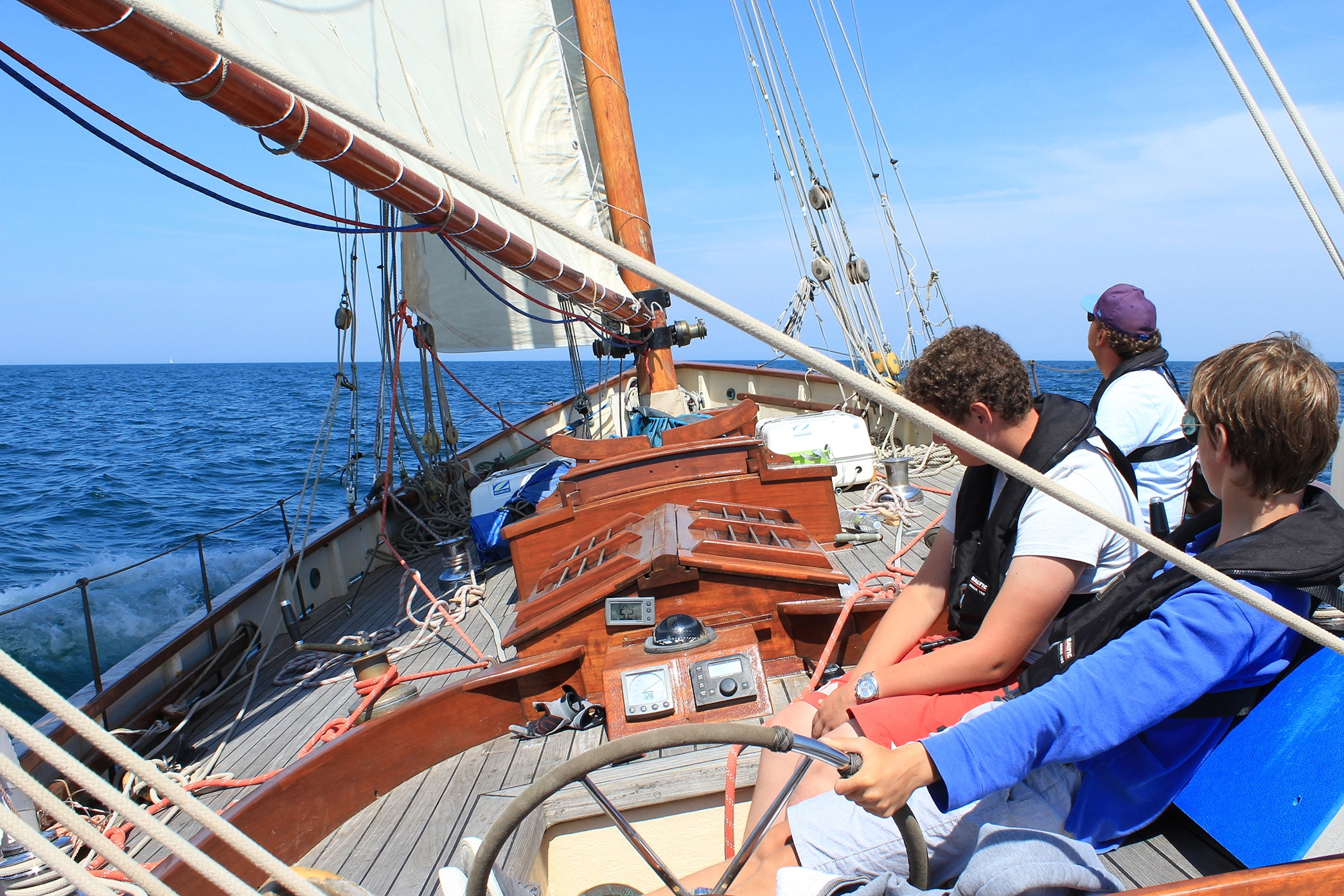
Imagine: a group of teens working together to navigate a sailboat, building trust and communication with every knot they tie and every navigation chart they read.

Why Outdoor Adventure Matters More Than Ever

  • It Builds Real-World Resilience

    When you're caught in a squall mid-expedition or try to navigate using the stars and a compass, you jettison your crutches and learn to improvise, persist, and stay steady under pressure—skills essential for successful life outcomes.

  • It Fosters Deep Connections

    Outdoor challenges forge a bond with nature that no documentary can replicate. It also fosters deep connections between peers, formed through shared goal attainment.

  • It Nurtures a Holistic Person

    In nature, students are more than just their brains—they’re bones and sinew, hearts and hands. Outdoor experiential education supports physical health, mental well-being, and self-confidence in one integrated experience.

  • It Sparks Passion and Curiosity

    Whether learning a new skill, discovering a new culture, or meeting group challenges, learners discover the why behind the what. They move from passive observation to active inquiry.

Sailing as a Learning Platform

Imagine a team of high school students aboard a 14m traditional yacht. Each day brings new tasks and hones repetitive ones:

  • Learning how to tack, trim sails, and navigate in open water

  • Cooking meals and living in tight quarters

  • Seeing the world through a new prism and, as a result, discovering new possibilities

Mistakes can be sudden. So are the consequences. Success is shared. Learning is constant. And none of it involves a traditional textbook. Yet the leadership, accountability, and communication lessons are not only profound, but lifelong.

From the Wilderness Back to the Familiar World

Outdoor experiential education isn’t an escape from “the real world” — it’s training for success in it. Students return from outdoor adventures more confident, collaborative, and curious. They learn to manage uncertainty, take initiative, and respect all the interconnected systems, sometimes complex—both ecological and human—around them.

A Tried-and-True Educational Strategy for the 21st Century

As society rethinks what true preparation for adulthood should look like, outdoor experiential education is gaining worldwide traction. From gap-year program(me)s and wilderness schools to school-sponsored outdoor weeks and sailing expeditions like QBE’s, the demand is growing—and for good reason.

When we move the classroom outdoors, we don’t just change the setting. We change the student.

Interested in how outdoor experiential education can elevate your teen’s life trajectory or your school’s extracurricular approach? Let’s talk. The adventure—and the learning—starts here.

Teen Adventure—Europe vs. the Caribbean

Teen Adventure—Europe vs. the Caribbean

The extraordinarily rich cultural and historical patrimonies of Europe are in their own league—and potently mind-opening. The Caribbean has nothing that can really compete. So, if you’re looking for a special environment to dispel a teenager's parochialism and broaden his/her world view, there’s no better place to do it.

When it comes to building self-confidence, we would seem to come in no better than second. We'll take it.

clark-tibbs-oqStl2L5oxI-unsplash.jpg

In his acclaimed book An Intimate History of Humanity, Oxford historian Theodore Zeldin asserts that the most effective way to boost self confidence is to see somebody you’re in love with reciprocate your feelings. But if you do an internet search, you’ll find the following advice:

1. Stop criticizing yourself. 2. Devote your life towards looking for the best in yourself and in others. 3. Look good so you can feel good. 4. Get out of your comfort zone and succeed.

The first two tips are “voluntary mortifications”—part of a discipline one practices every day. Now let’s consider the second two items. 1) Looking good. This is one of the reasons we sail fabulous out-of-the-ordinary gaff-rig boats. Apart from being the perfect size for QBE teaching methods, being extremely safe, and being challenging enough to require teamwork to sail, they are eye-poppingly handsome yachts. When we come sailing into port, heads turn. You can’t help but feel cool when you show up someplace special standing on the deck of an iconic pilot cutter. And 2) Comfort zone and success. The whole point of adventure is getting out of your comfort zone. Sailing, for beginners, is a new zone altogether. Our crewmates are quickly given complete responsibility for our expeditions. They take turns tugging at ropes, skippering, and navigating (among other things). By the end of the course, they will have crossed the English Channel and repeatedly brought their boats alongside quays in postcard ports. They successfully will have done what few of their friends will ever have the chance to do, and they’ll have the pictures to prove it. Talk about a boost in self-esteem!

World-Class Mentoring

Here's a question: What do several Hollywood movie stars and directors, a Formula One racing champion, numerous high-profile CEOs, ambassadors, and even a few members of the world's royal families have in common? Answer: They all have children who once were coached, taught, or mentored by ELS director Will Sutherland.

Outdoor Adventure Courses—Compressing The Time Between Significant Achievement And Transformative Results

Outdoor Adventure Courses—Compressing The Time Between Significant Achievement And Transformative Results

The impact [of completing an outdoor adventure course] doesn't just take the form of a thrill, it takes the form of a revelation: "OMG, I can't believe I just did that. Wow! What else might be possible?" Indeed—all sorts of things. There's an enormous satisfaction that comes not only from overcoming your own self-doubts, but in realizing so many new possibilities. And when goals become more ambitious, motivation and grit inevitably emerge. True self-confidence spawns self-discipline. Organizing towards future objectives becomes second-nature.

It's not about all the treasure we own. It's about all the experiences we treasure.

IMG_0792.JPG

James Wallman, writing in Fast Company (June 2015), cites seven reasons, backed by research, why money spent on experiences generally trumps money spent on material things when it comes to making us happy. Not that this should be news, but...

https://m.fastcompany.com/3046696/the-7-reasons-that-science-says-you-should-pay-for-experience-not-things

Addictive Behavior

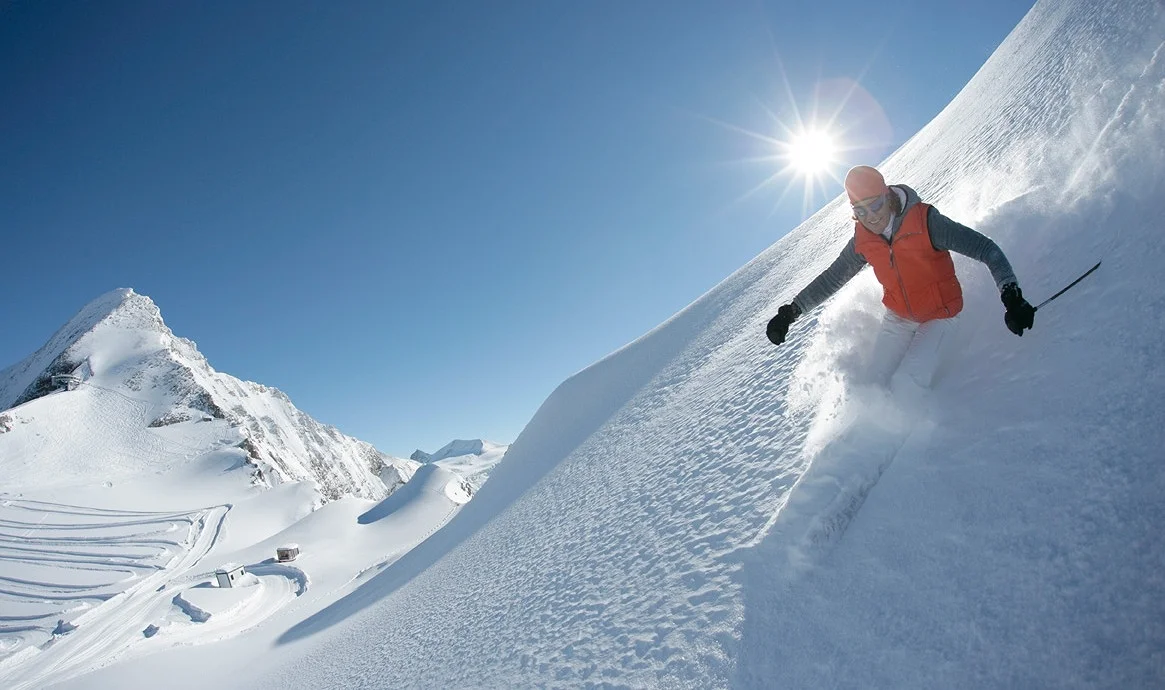
A number of years ago, several of us involved in the European Leadership School attended boarding school In Switzerland—in a ski resort no less. We skied almost every day. In those days learning how to ski was painful; you spent more time on your rear end than standing upright. But after you got the hang of it, the sport grew on you. And by the end of the season you were hooked. You couldn't imagine life without a mountain and ski lift in your back yard.

Sailing a classic yacht is the same sort of proposition. The first day bobbing up and down in the water, trying to figure out what you're doing, can be a little unnerving. But by the end of the first week, you're addicted. And by the end of the course, you feel like some sort of James Bond—smoothly operating at a new altitude in magical European destinations. (For what it's worth, we think our cutters are cooler (if less luxurious) than that boat Daniel Craig and Eva Green used to make their entrance into Venice in Casino Royale.) Anyway, sailing, like skiing, is a sport you simply have to try to fully appreciate. Video images on a screen don't do it justice. And yachting should come with a warning: potentially mind altering.