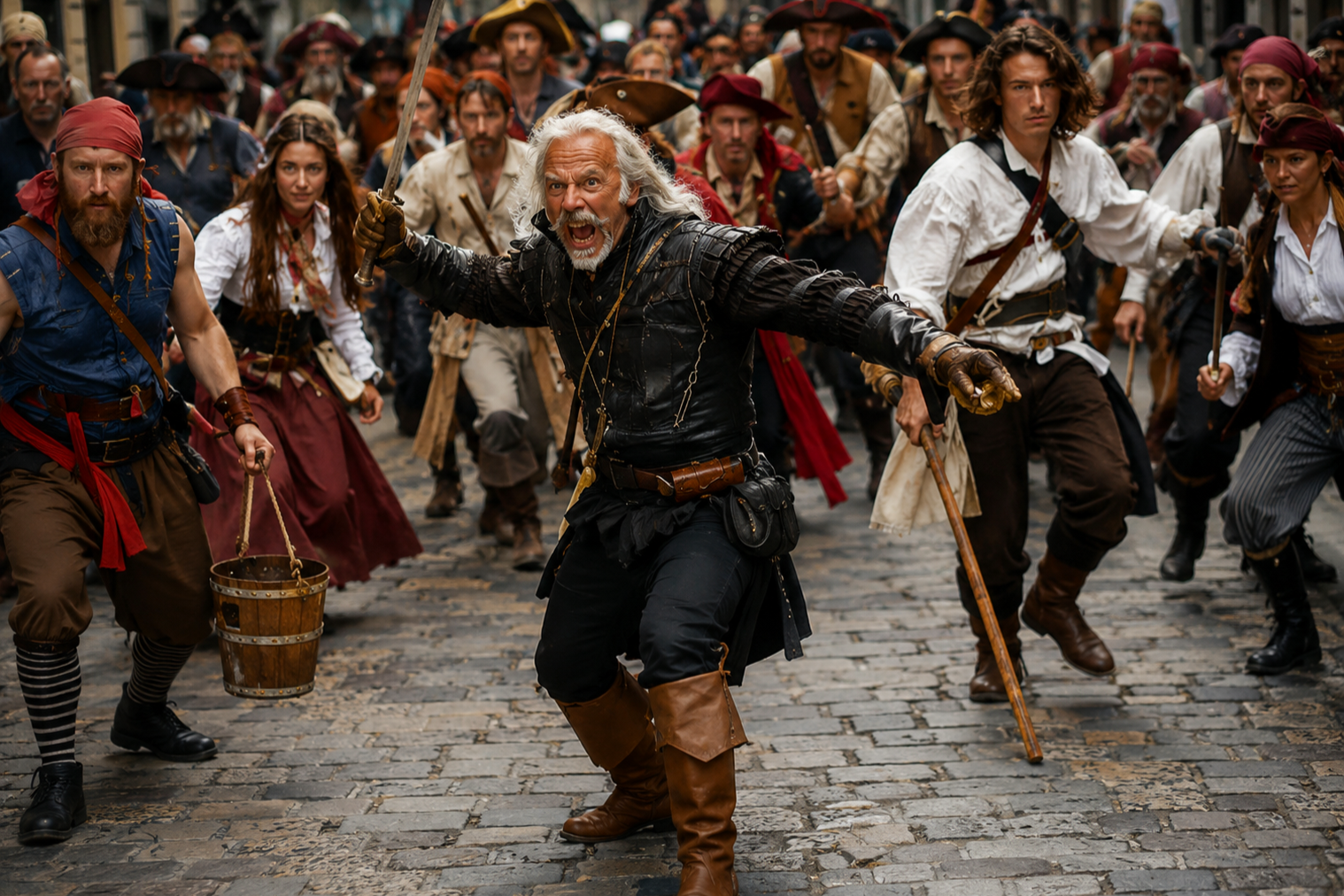
Pirates on the rampage in Saint-Malo during its annual Pirate Festival
The Unexpected Surprises That Await Visitors in Brittany
If you’ve never been to Brittany, you might picture sketchy weather, rugged coasts, and a language you can’t understand, much less try to pronounce. And sure, that tracks a little bit. But the truth is, Brittany is full of surprises—the kind that make you wonder why you didn’t come sooner. Whether you’re sailing its shoreline or exploring inland by foot or bike, Brittany doesn’t just meet expectations, it exceeds them, often in the most unexpected ways.
1. Caribbean-Blue Waters and White-Sand Beaches
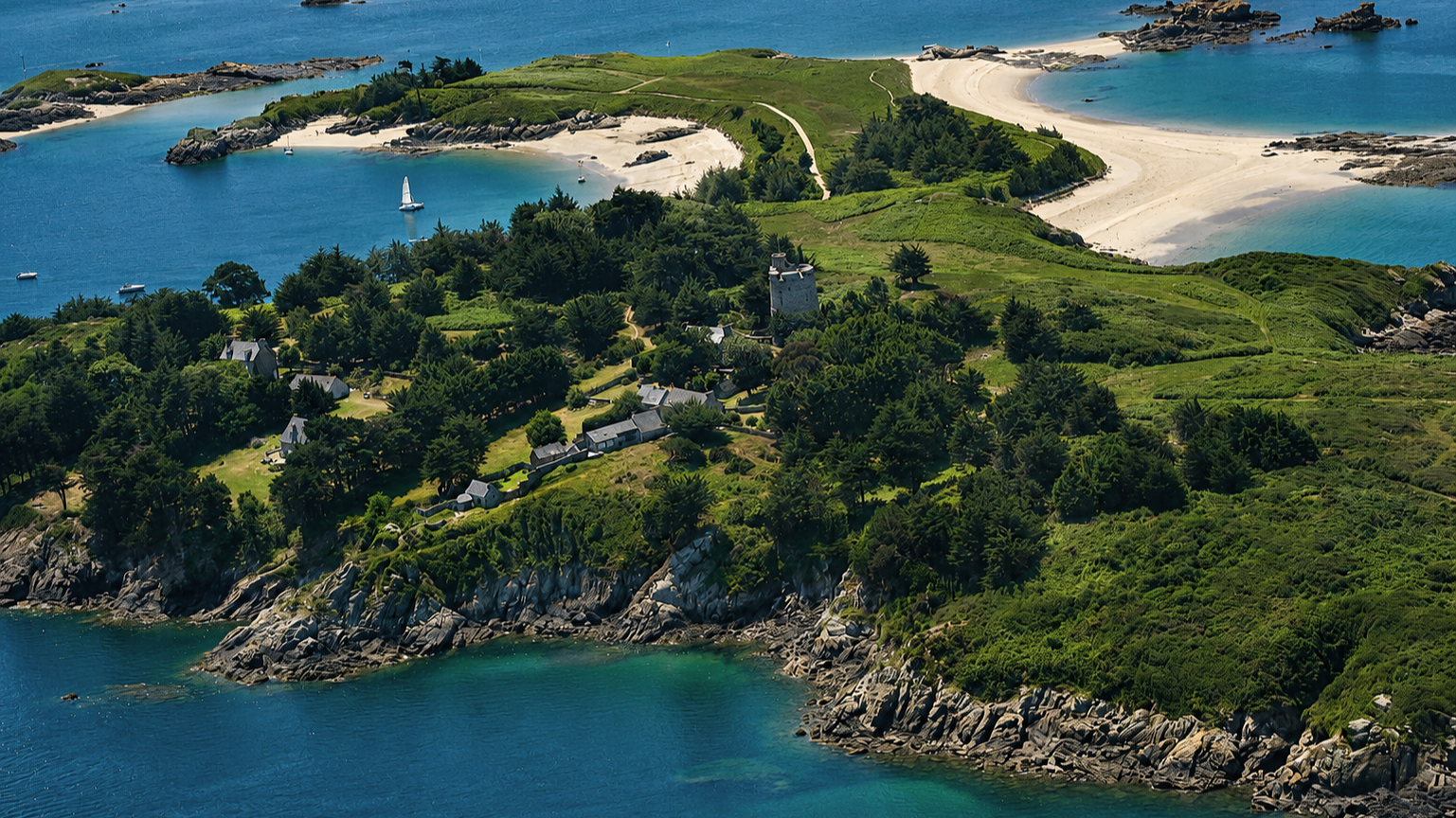
Wait—this is France? You have to be kidding! Many first-time visitors are stunned by the clarity of the water around the Glénan Islands or Belle-Île. With turquoise shallows and white sandbars, these places look more like Tahiti than the North Atlantic. Seriously. Pack your snorkel.
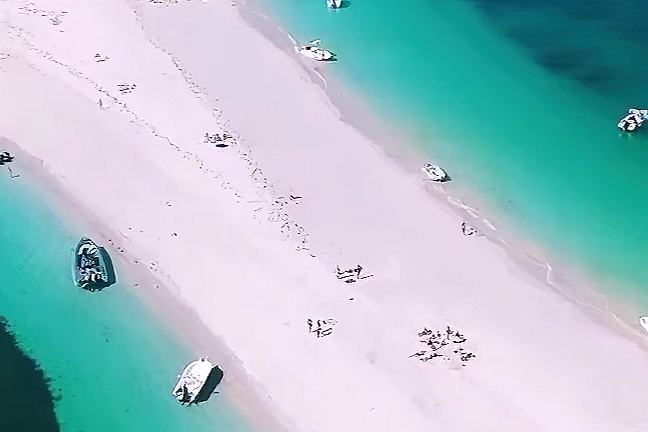
What did we just tell you? The Glénan Islands in summer.
2. An Entirely Different Language and Culture
Like several other regions of Europe, Brittany has its own language—Breton—and its own customs, music, dance, and even crêpes (galettes, technically). From bilingual street signs to traditional fest-noz dances in village squares, you’ll feel like you’ve crossed into another country. (Because, historically, you kind of have.) Every August, QBE checks in at the Interceltic Festival in Lorient where thousands of people from all over the Celtic world—Ireland, Wales, Cornwall, Scotland, Galicia, etc.— show up and put on a great show, bagpipes and all.
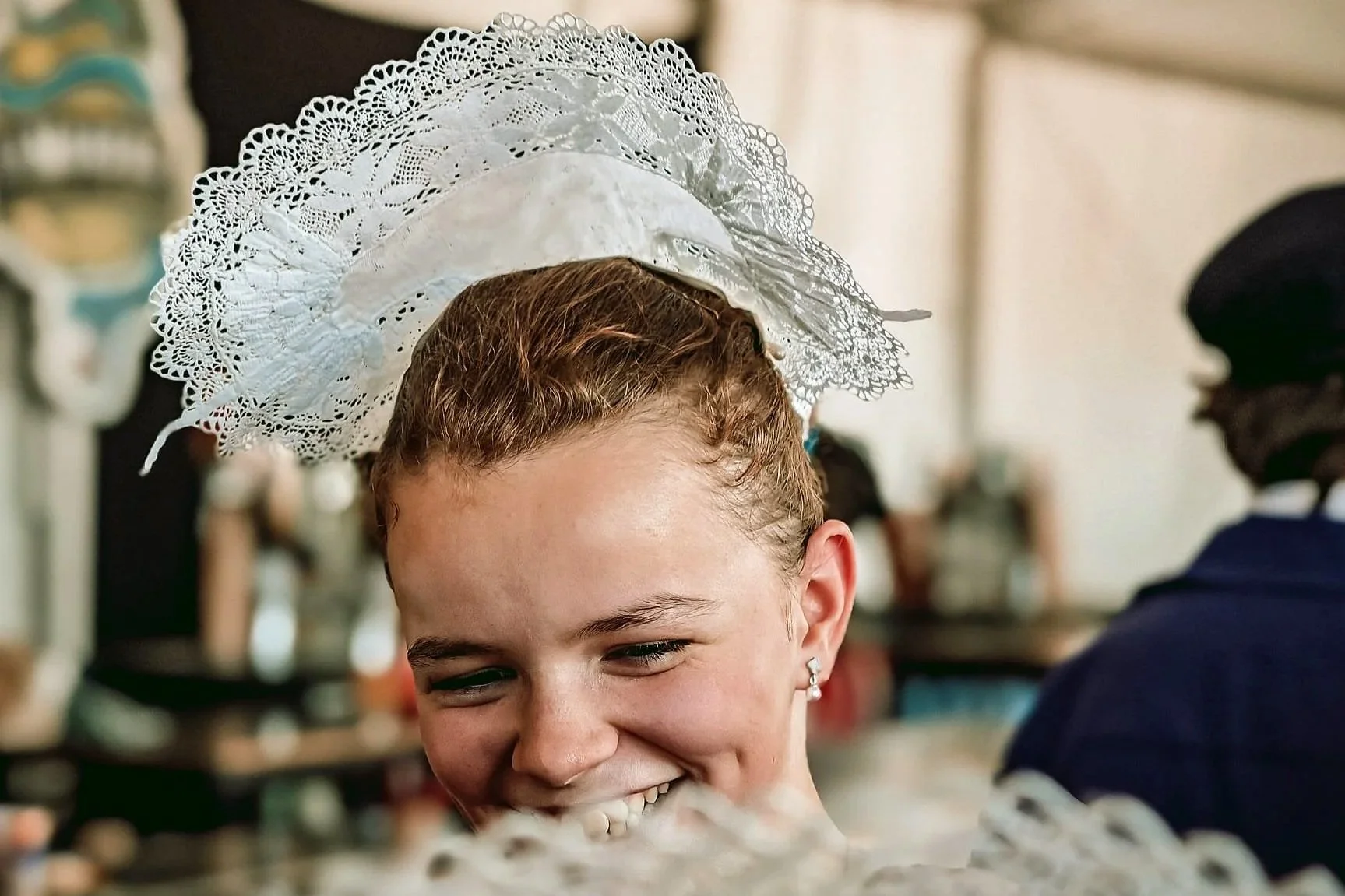
Lorient Interceltic Festival 2025—a stolen moment Image ©Eric Duriez
3. A Coastline That Changes Before Your Eyes
Thanks to an extreme tidal range—sometimes exceeding 14 meters around Saint-Malo (one of the highest in Europe)—the coastline of Brittany literally transforms itself over the course of several hours. One moment you’re scrambling across rocks to reach a a patch of high ground;“ a few hours later, that high ground might be an island, surrounded completely by water. Or it may not be an island at all! It's a magic trick of nature—and a surprising daily revelation.
4. Warm Welcomes in Chilly Places
Don’t be fooled by the bracing wind or sometimes gruff exteriors: the Bretons are famously warm once you break the ice. Expect generosity, good humor, and plenty of stories, especially if you show interest in their culture—or ask for a good cider recommendation.
5. Castles, Forts, and Pirates (Yes, Pirates!)
Brittany’s history is written in stone—from medieval ramparts in Concarneau to 17th-century forts guarding quaint harbors. And if you visit Saint-Malo, you’ll see four offshore forts and ramparts designed by Sébastien Le Prestre de Vauban, Louis XIV’s famous military architect—constructed in the early 18th century by Siméon Garangeau, the fortifications engineer, architect, and votary of the renowned 17th-century master. The Tour Dorée in Camaret-sur-Mer, built by Vauban, is a UNESCO World Heritage Site on the eastern tip of the Crozon Peninsula. Much of Brittany’s coastline has a swashbuckling past, replete with corsairs, sea battles, and (so they say) buried treasure. Good luck finding some. If you visit Saint-Malo in late September, you can witness their annual Pirate Festival—and take the opportunity to shiver some timbers!
Ar-r-r-r-r! 🏴☠️
6. King Arthur and Merlin
But wait, they were both as British as Shakespeare, right? Well, it depends on whom you ask. According to Breton lore, Arthur didn’t die on the battlefield but was carried across the Channel to the enchanted forest of Brocéliande, an actual place in Brittany. And there, beneath ancient oaks and springs reported to have magical powers, Merlin the wizard supposedly walked, prophesied, and loved, before being imprisoned in an invisible tower by the fairy Viviane. He is said to buried in a tomb just north of the Paimpont State Forest. And then there is—or was—the French Excalibur, a sword known as Durandel, that was lodged in the side of a cliff in Rocamadour for over 1,300 years (that’s their story and they’re stickin’ to it! ). Said to have been the sword of Roland, Charlemagne’s legendary paladin, somebody had to scale 100 feet up a rock face to purloin it in 2024. If you happen to know where it might be, the mayor would like it back (even if it is really just a replica. Sh-h-h-h).
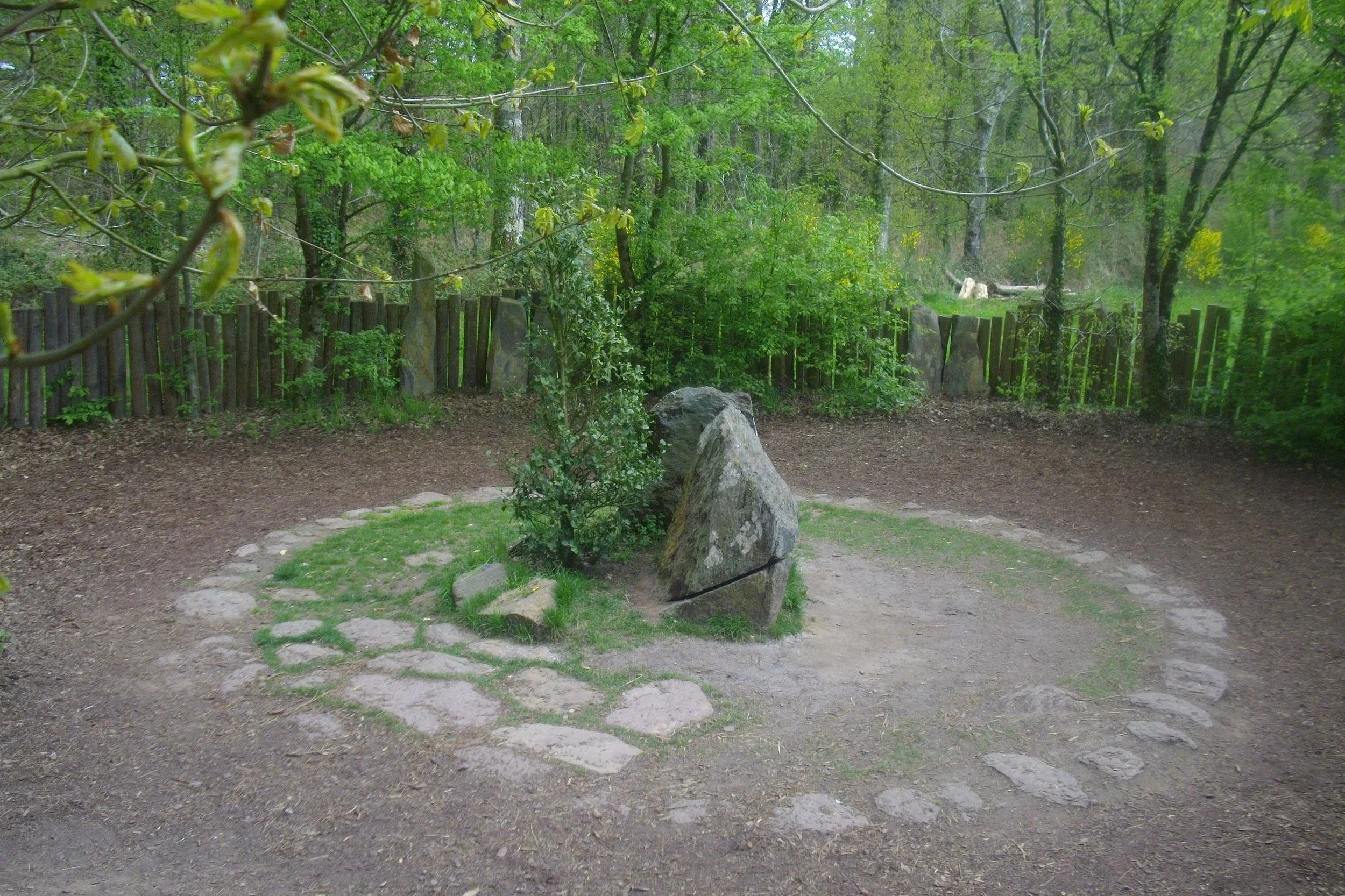
Merlin’s tomb Image: © Raphodon
7. Real Adventure, Not Just Sightseeing
Brittany isn’t the kind of place you “do” with a checklist. It’s is best explored slowly—by boat, by bike, or on foot. You’ll miss the best parts if you stick to highways or big-name destinations. Venture off the beaten path and you’ll find plenty of prehistoric megaliths, tidal islands, goat tracks to amazing secret beaches, and unexpected beauty around every bend.
So What’s the Biggest Surprise?
Maybe It’s how deeply Brittany leaves a lasting impression. Maybe it’s the light. Maybe it’s the contrast between ancient and wild. But long after you go home, you’ll find yourself thinking about the charm-blessed harbor towns, the pervasive reminders of its rich history, and the dazzling sunsets over its wide, empty beaches. Then again… maybe your fondest memory will be the spectacular sailing!!