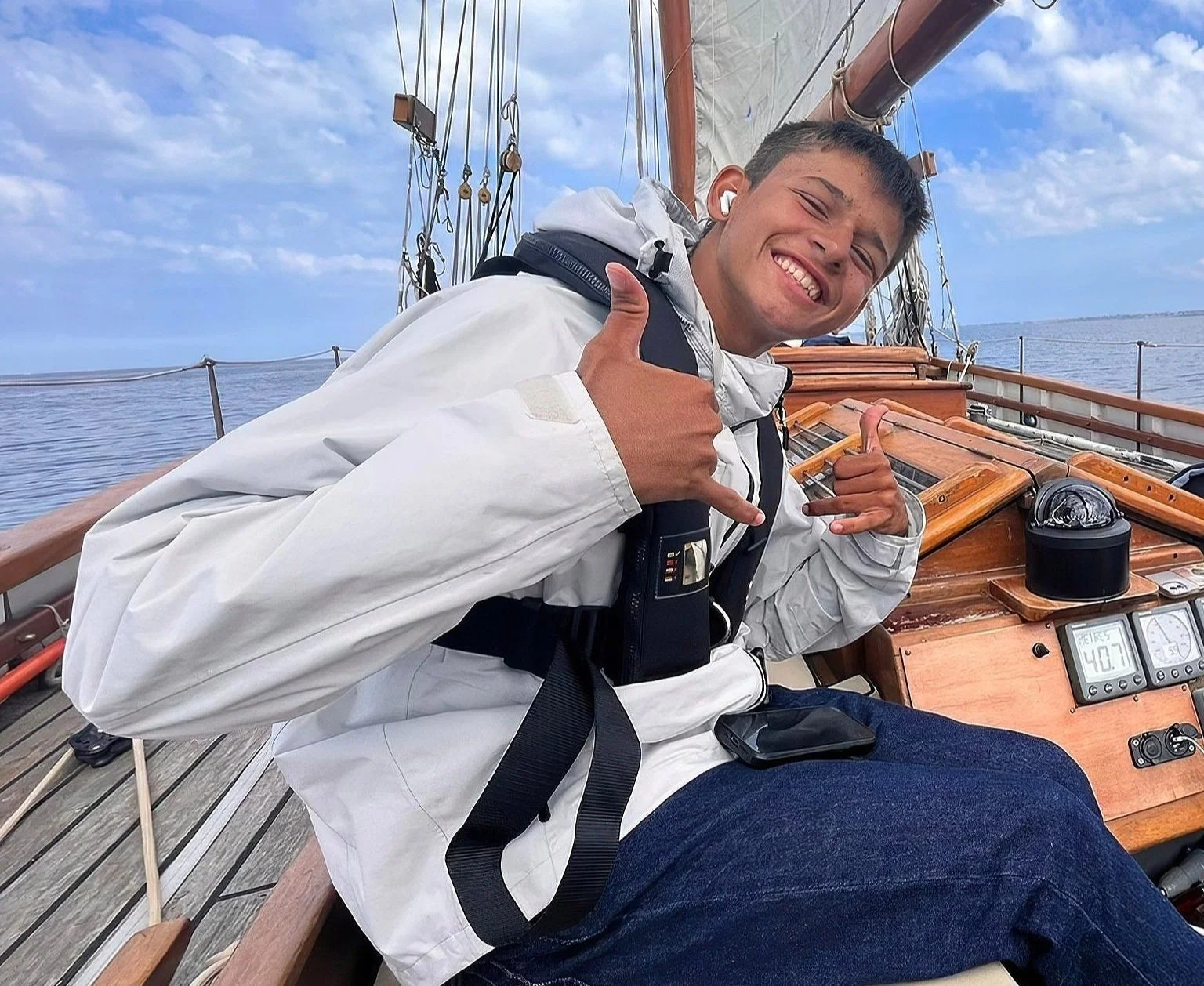
Want to supercharge your teen’s high school résumé?
QBE can help it stand out in the stack.
Grades matter—but they’re not enough.
Increasingly, top universities and future employers are looking beyond transcripts. They want to see what makes their applicants tick: how they think, how they lead, how they handle challenge and uncertainty. That’s exactly where a QBE expedition can make a real difference. Because spending two or three weeks at sea on a traditional sailboat isn’t just “nice” experience—it’s transformative.
Why Experience Matters to Universities and Employers
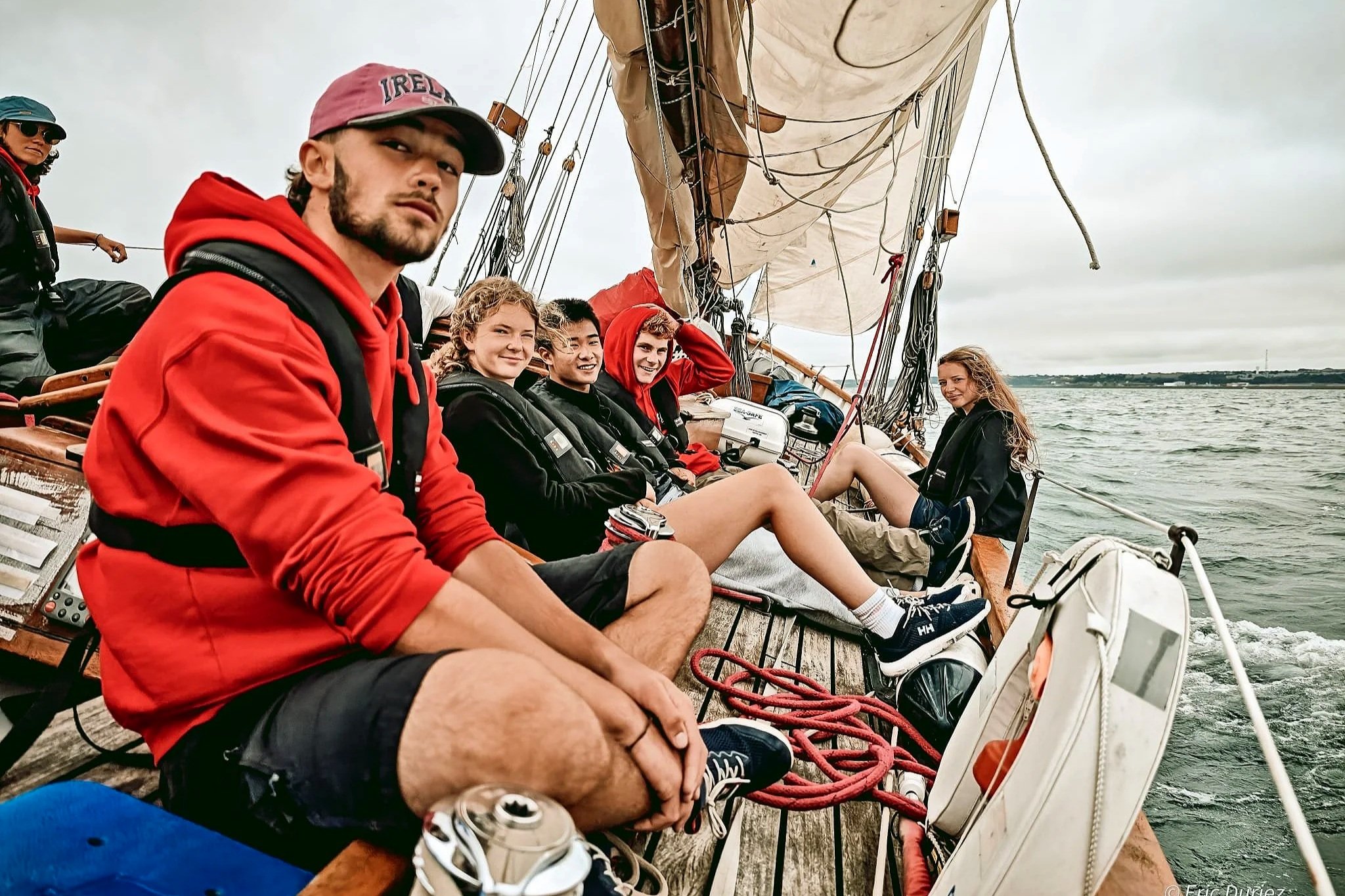
When admissions officers sift through thousands of applications, they’re looking for something real. Something that shows initiative, curiosity, and resilience. Sailing as a member of an international crew through the English Channel and along French coastlines shows all of that—and more.
A QBE expedition gives teenagers stories they can tell in essays, interviews, and future networking conversations. It demonstrates:
Teamwork under pressure
Leadership in a real-world context
Global and cultural awareness
Hands-on problem solving
Time management and self-reliance
These are not abstract “soft skills.” They’re the foundation of success in higher education—and in life.
From a Pilot Cutter Under Sail to the Personal Statement
When young crew members write a university application essay after a QBE expedition, they won’t have to invent some story about overcoming a challenge or discovering something new. They will have lived it. Whether it’s leading their crews while navigating a tricky coastline, reassuring a seasick crewmate, or embracing the constant imperative of good order on the deck of a sailboat, they’ll have internalized experiences that will demonstrate maturity and personal growth.
A Unique Edge in a Competitive World
Let’s be honest: many teens go to the same camps, do the same volunteer hours, or list the same leadership roles. A sailing expedition with QBE? That’s something completely different. It’s not just out of the ordinary—it’s deeply meaningful. It shows a willingness to try something challenging, to commit, to grow in an unfamiliar environment.
For students interested in international relations, leadership, environmental studies—or just becoming a more capable adult—QBE offers difference-making experiences behind their résumés.
The Impact Lasts Long After the Summer
Parents often tell us their teens come home more confident, more curious, less parochial. They’re not just better prepared for university—they’re better prepared for life.
In a world where young people are expected to show maturity early, QBE gives them the tools—and the self-esteem—to step into the future with a stronger sense of self, as well as a new-found purpose and even a cosmopolitan polish.