The ELS In The News:

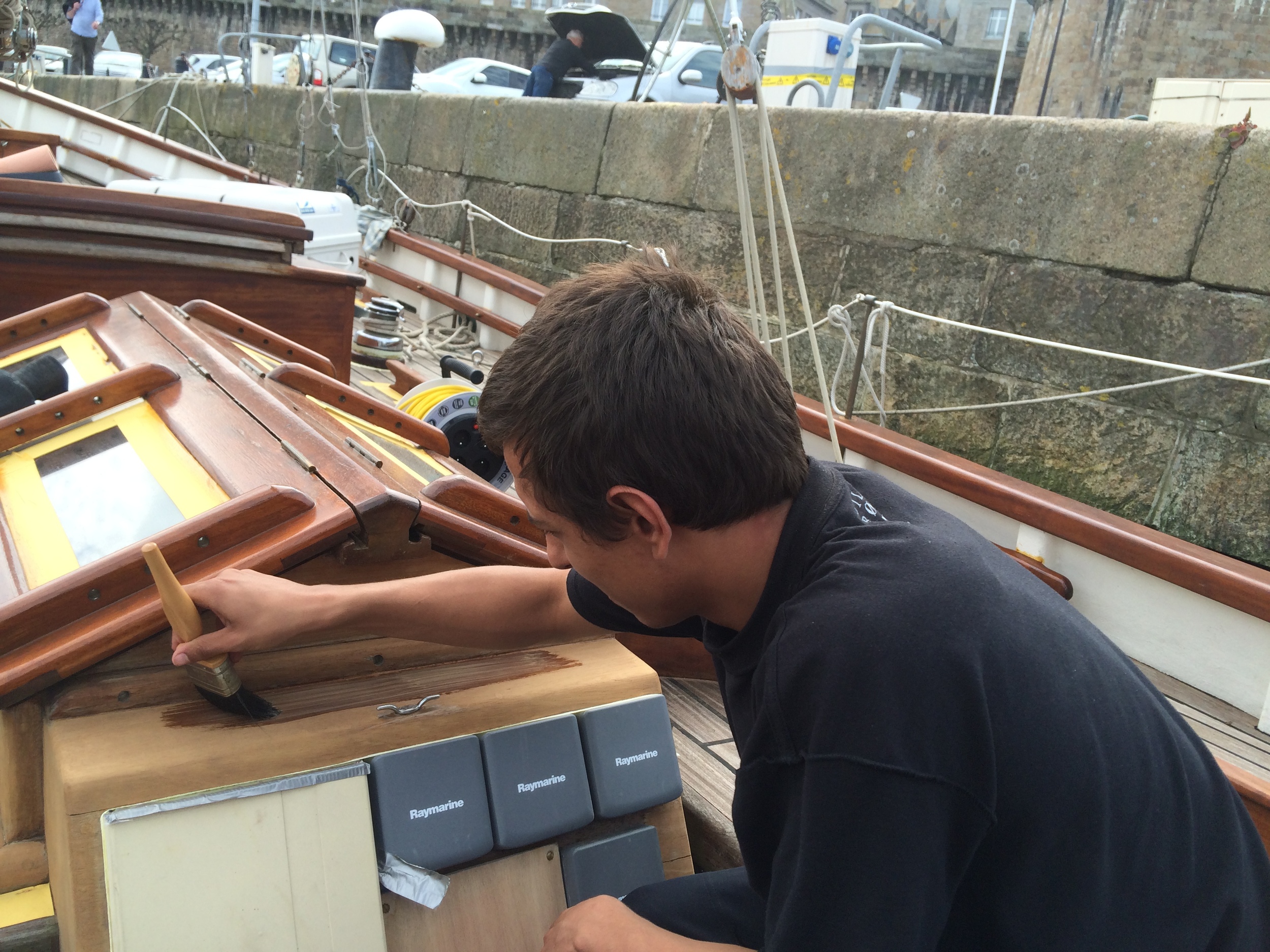
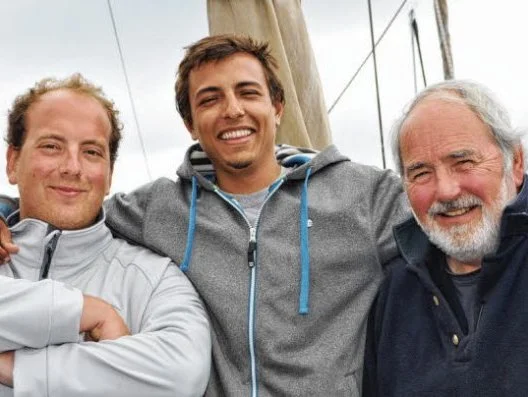
ELS skipper Arthur Lescault, Program Assistant Davi Barreiros, and ELS Director Will Sutherland

ELS skipper Arthur Lescault, Program Assistant Davi Barreiros, and ELS Director Will Sutherland

If you can read some French,  you should take a look at this article about the ELS that appeared recently in the French press. It's nice to be noticed. 

Update: Here's a rough translation:

Will Sutherland's two boats, replicas of a [19th-century] pilot cutter called The Alouette, are returning to service after an extensive renovation. On board, students will learn or hone nautical navigation skills using a very Anglo-Saxon method.

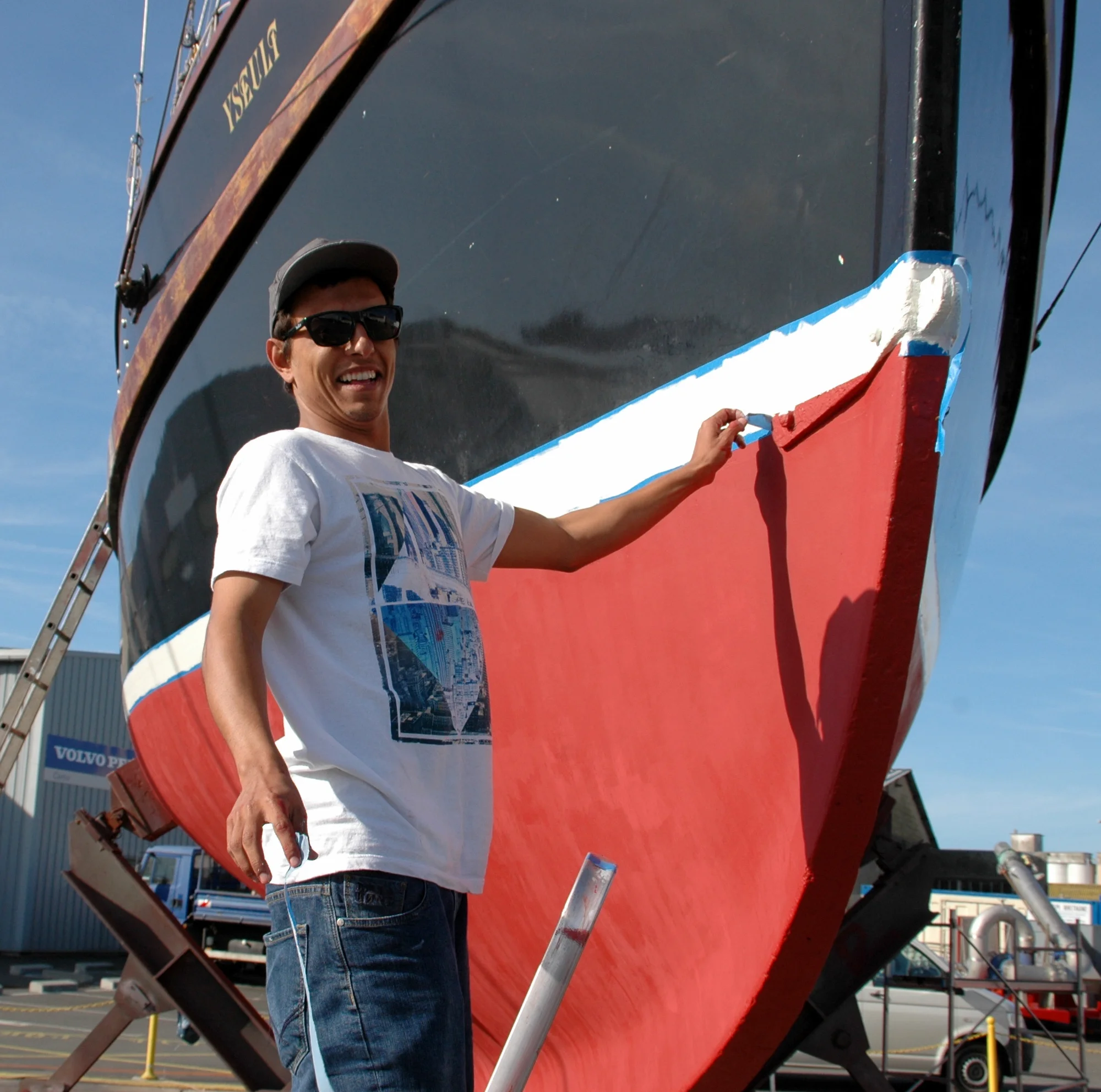
The two replicas of the Malouin [from St-Malo] Alouette have been fully refurbished. Sanded and refinished, Marie-Claude and Yseult are now ready to put to sea again. The non-profit QBE Education is ready to resume its courses where they take young 16–80 [sic, should be 24] year olds on expeditions that leave them different people.

Back To St.-Malo

Marie-Claude and Yseult were built in Falmouth, in Cornwall, in 1996 and 2000 respectively. It was a Frenchman who discovered the plans for The Alouette, a pilot cutter built by François Lemarchand. The Alouette had an exceptional career; excellent upwind, its sturdy construction enabled it to have a 40-year run. As for the replicas, they do the original justice. Their thick fiberglass hulls make them extremely sturdy. Will Sutherland found the boats on the second-hand market in 2010. It's a great story because, thanks to him, they now also have found a home in St.-Malo.

Experience

Will Sutherland is used to teaching youngsters. His method: a sort of "learning by doing." It was developed over the years at a Swiss boarding school [where he taught]. An association of pilot cutters was established in England in 2010. As proof of 30 years of fond memories, his old students are now asking him to take their kids so that they, too, can experience what their parents did between 1975 and 1989, when Sutherland—their teacher—took them sailing on his boat moored at Antibes [in the south of France]. Today, his home port is St.-Malo, "a perfect place to learn how to navigate the rocks, winds, and tides." Sutherland first visited the "City of Corsairs" when he was 10 years old, an experience he has never forgotten.

Accountability

Qualified By Experience, founded in 2010 [actually, 1992] allows youngsters to learn to live together, to work together as a team, and to hone leadership skills—in the English sense of developing the competence as well the charisma necessary to motivate others to do their best. Participants may be novice sailors and they come from around the world. Everything promotes mutual respect and exchange. Everybody must learn to apply the skills necessary to complete all necessary tasks. Sutherland doesn't say very much and doesn't provide solutions to problems. When youngsters aren't told how to do things, they are forced to make their own decisions. Often at the beginning of a course, he asks the participants," Where do you want to be in five years?" It's a way of making them understand their destinies rest in their own hands.
The Advantages Of Early Foreign Exposure

For some reason, many American students get their first European/foreign exposure as 20 year olds. The junior year abroad has become a university tradition. And I'm sure it's a great experience for many young adults. But why at age 20? 

Several years ago, in an op-ed for The New York Times, David Hajdu, an associate professor at Columbia, suggested that a youngster's most formative years are actually several years earlier, in high school:

"Fourteen is a formative age, especially for people growing up in social contexts framed by pop culture. You’re in the ninth grade [...] struggling to figure out what kind of adult you’d like to be, and you turn to the cultural products most important in your day as sources of cool — the capital of young life.

'[For example,] Fourteen is a sort of magic age for the development of musical tastes,' says Daniel J. Levitin, a professor of psychology and the director of the Laboratory for Music Perception, Cognition and Expertise at McGill University. 'Pubertal growth hormones make everything we’re experiencing, including music, seem very important. We’re just reaching a point in our cognitive development when we’re developing our own tastes. And musical tastes become a badge of identity.'"

The author specifically cites the impact of music on the 14-year-old psyche. But the same surely can be said of many other cultural influences, including foreign travel. So it seems strange that we would wait several years to consider sending students abroad. By age 20, many notions and attitudes already have started to gell. The reason we hear most often is that people in their 20s are more likely to appreciate the cultural experience. Maybe. But then you can make the argument that people really should wait until age 50 to get on the plane. Teens soak up the experience and assimilate it in a more visceral way.

Any age is a good age for travel. But it seems the younger the traveler, the more malleable the mind. British law makes it difficult for us to accommodate 14 year olds. But if you're 16, we'd love to welcome you aboard.


Third Culture Kids‚ Proof Travel Gives You An Edge

Kids who spend time abroad are known in some academic circles as “Third Culture Kids” (TCKs), a term coined by Dr. Ruth Hill Useem, Professor Emeritus at the Michigan State University Institute for International Studies, who has researched the experiences of internationally mobile children. The term TCK suggests that children who spend a portion of their childhood outside of their own country belong to a separate “third” culture, an amalgam of their many international experiences.

Findings of a major study of American-based adult TCKs conducted in the early 1990s suggest that youngsters who spend time abroad were much more likely to do well in school. For example, those who spent at least one year abroad were four times more likely to earn a bachelor’s degree. Of the 81 percent of TCKs who completed a bachelor’s degree, half went on to earn postgraduate degrees. That's pretty impressive.

Of course, some of that can be attributed to parents—many adults who spend time abroad have high expectations for their children because they themselves are well-educated. But not all. Many enlisted men and women in the military spend time overseas with their families. Suffice it to say, there's good evidence out there that early exposure to foreign cultures and experiences can really make a difference in life outcomes, at least as measured by educational achievement.

Intersections

The human heart is an intersection where aspirations and self doubt collide. The ultimate outcome of that struggle defines our lives. And so it is—or should be—the goal of any leadership school to help give the advantage to aspirations. Any other program is really just a camp.

Intersections are places where destinies are forged. Some are personal battlefields where conflicting emotions contend, but others are confluences where life-changing possibilities wait to be discovered. Steve Jobs use to say he lived at the intersection of technology and the liberal arts [in his case, design]. And he was able to position himself in that extremely propitious location because he had traveled some distance down both roads. Whenever you are willing to seize opportunities that expose you to new ideas, places, and experiences, you create the possibility of finding new intersections that can transform your own life, and the lives of others.

Certainly, you don't HAVE to go sailing in Europe to expand your horizons any more than you HAVE to go to, say, Africa to lend a hand as part of a service project. There are always things to see and people to help closer to home. But, like adversity, the experience of foreign travel—particularly culturally rich or spiritually rewarding travel—never leaves you where it found you. In an age when technology and high-speed travel are rendering geography increasingly irrelevant, it still remains true that different cultures, sights, and sounds can point your life in exciting new directions.

The ELS is not spring break on a boat. Yes, it can be lot of fun, but chiefly it's designed to be a challenge, an occasion to redraw personal maps. Each activity and destination along the way is a life intersection—an opportunity to leverage a disorienting feeling of "lostness" in a new environment with a sense of impressive accomplishment and wonder to connect dots that previously were hidden from view.  We can't guarantee you'll always be smiling after a long, hard day on the water. But we think it's likely you could be pumping your fists. And that's really the reaction we'd prefer.


Along The Way: Mont Saint-Michel

mont-saint-michel

Commissioned by St. Michael the Archangel himself—according to legend—the first church on the famous tidal island was built by St. Aubert, the bishop of Avranches, and consecrated on October 16, 709. It is said that Aubert initially ignored the archangel's repeated admonitions to build a church but got moving after Michael finally used his finger to burn a hole in the bishop's skull. That would certainly light a fire under you, or... on top of you. (N.B. If you'd like to create some buzz among your friends on Pinterest or Instagram, the purported scarred skull is on display at the Saint-Gervais-d'Avranches basilica.) Today's towering Romanesque-Gothic structure is a palimpsest, the result of numerous additions and reconstructions. It was named a UNESCO World Heritage Site in 1979. 

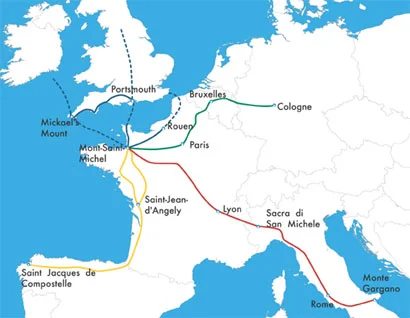
During the Middle Ages, Mont Saint-Michel rivaled Rome and Santiago de Compostela as a pilgrimage site. And just as Santiago had its "Camino de Santiago" (The Way, or Road, of St. James), Mont Saint-Michel had its "Chemin du Paradis"—several routes that pilgrims (called miquelots) followed to venerate the archangel in his eponymous church (see below). We, on the other hand, tend to just show up—certainly not nearly as redemptive, but much more practical considering our tight schedule.

The base of the abbey church is surrounded by old houses, shops, and throngs of tourists. Near the entrance, you'll find La Mère Poulard, home of the world-famous 30€ omelette. The spécialité de la maison really is delicious and perhaps not such a bad deal when you consider what the souvenirs cost. 

chemin de Paradis.jpg

Jersey—A Revelation

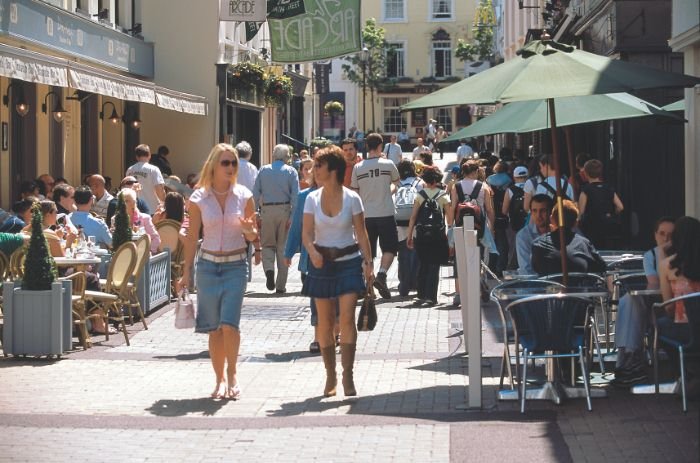
We had a great little documentary here, but Youtube took it down. So here’s a pic of people out and about in St Helier until we can find another video. The copy below will give you some idea of what previously occupied this space.

If you've never spent time in Jersey, you'll learn something watching this video: e.g., the 45 square-mile island has a 40 mph speed limit but dozens of Lotuses, Ferraris, and Lamborghinis puttering about. And Jersey chefs contend the island produces the world's best potato, the Jersey Royal. It also has its own Pageant of Roses Parade, but in the summer. It turns out going to very upscale Jersey is a lot like going to Monte-Carlo or Gstaad—only it's bigger and people speak English with a native accent. This video, which aired on PBS (the American public television network) is a little long, but it will likely open your eyes. If you thought "Jersey" was a coastal American state sandwiched between New York and Delaware, you might be surprised to learn New Jersey was once owned by a family from Old Jersey. If you've got the time, take a look. Actually, the first five minutes will have you wanting to book a flight...

Along The Way: The Charles Dickens Birthplace Museum

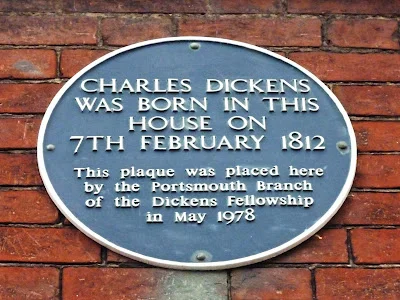
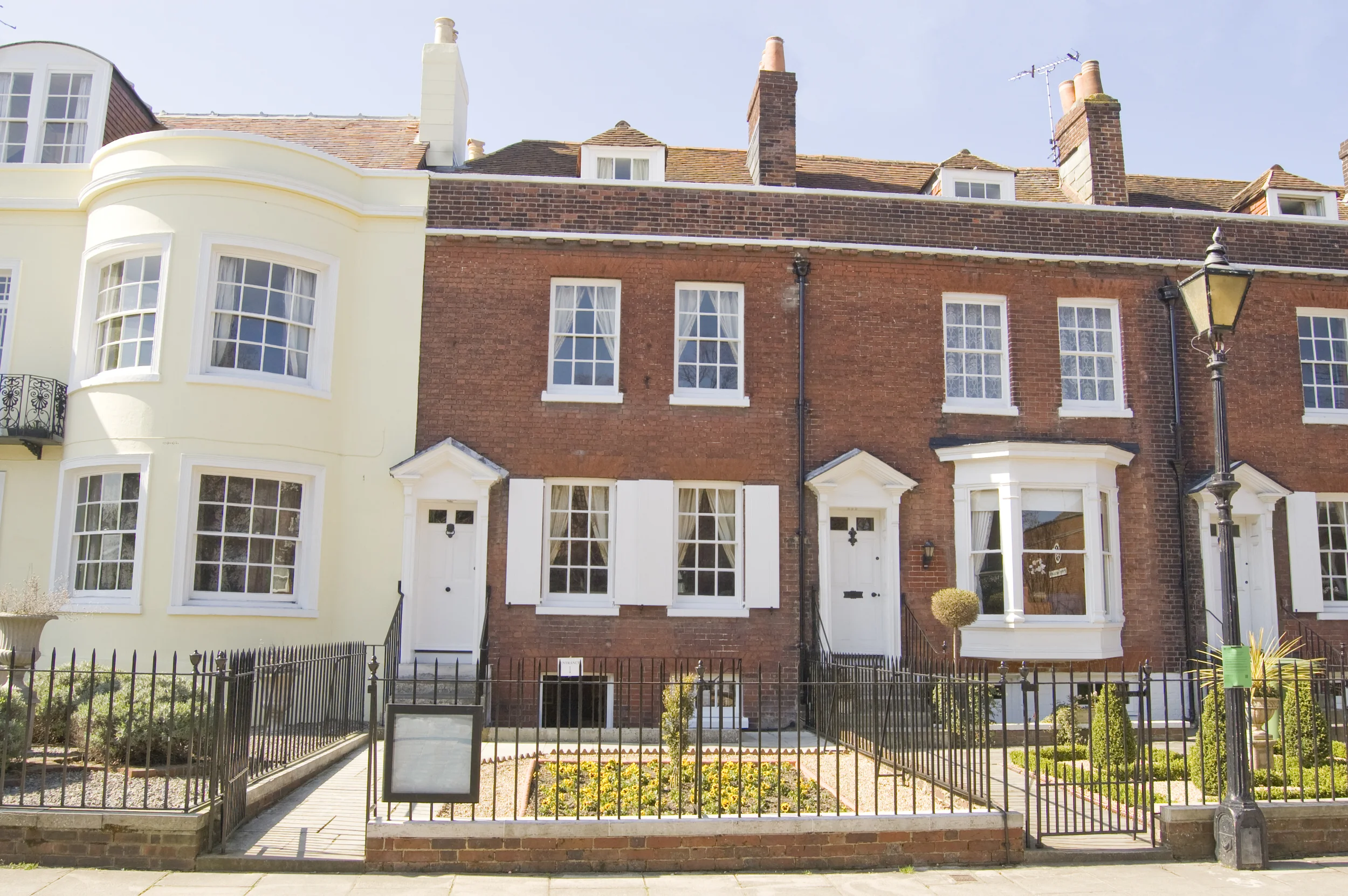
Consider yourself....at home—right here at the Charles Dickens Birthplace Museum. Dickens was born on February 7, 1812, at 1 Mile End Terrace (today 393 Old Commercial Road), in Portsmouth, the home of his parents, John and Elizabeth Dickens. His father had a job nearby working for the Royal Navy. Even though the original furnishings have long sense been dispersed, you can still experience the authentic atmosphere of the Regency home that sheltered the Dickens family. In fact, much of Victorian Portsmouth still remains in the city’s streets. If you're a Dickens fan, you ought to make the pilgrimage. And what better time than this summer? You can take a virtual tour of the museum here.

"Electric communication will never be a substitute for the face of someone who with their soul encourages another person to be brave and true."  —Charles Dickens


The Power Of Experiences

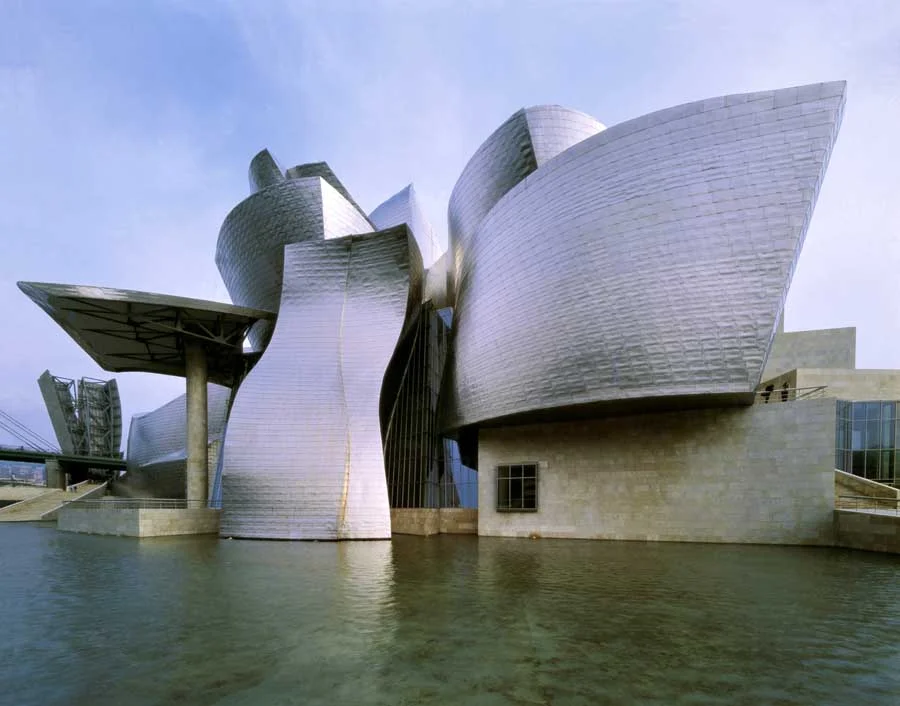
In March, The Hyatt Foundation awarded Shigeru Ban its prestigious annual Pritzker Prize for Architecture. Tom Pritzker, the CEO of the foundation, appeared on television to talk about the prize and the power of architecture to transform the "beholder." During an interview, he told the story of taking his family to Bilbao, in Spain, to see Frank Gehry's striking Guggenheim Museum.

"When we reached Bilbao, we could see the change. Honestly, the chemistry in their brains changed. It became an exciting experience not just for them but for us watching as well. So, I do think that architecture can change the human experience..."

It's true. You simply cannot compare seeing a photograph with seeing the real thing. The real has a power to transform that the virtual lacks. That's one reason we encourage parents to allow their teens to experience the wonder of European travel. We teach. We mentor. But allowing a teen to see and soak up all the the sights, history, and culture can have an equally—if not more—profound effect. The ELS is more than an adventure, it's one new experience after another. And we think that matters.

Along The Way: Polperro

Squeezed into a ravine on either side of the River Pol, Polperro's color-washed cottages and narrow, twisting streets look like something out of a theme park. Only... they're not. They're the real deal. The Cornish tourist board touts the Saxon and Roman bridges, the famous House on Props, the old Watch House, and the fish quay as some of the major attractions. But just walking through Polperro is a treat.

Paris has the Louvre and the Musée d'Orsay. Madrid has the Prado. In Polperro, the "must see" is the world-famous Heritage Museum of Smuggling and Fishing.  It houses a remarkable collection of exhibits and 19th-century photographs, as well as memorabilia dating from the 1700s when both smuggling and fishing were big business along the Cornish coast.

Along The Way: Mevagissey

Easy for you to say. Mevagi... Mevigas... Whew. In fact, Mevagissey is named after two Irish saints: St. Meva and St. Issey. Somebody apparently decided to stick a "g" in the middle to separate the two vowels. In any event, the quaint little port has a distinctive twin harbor that provides a safe haven for fishing boats and pilot cutters. Like so many towns on the coast, it has a clutch of pubs, cafés, and galleries near the harbor walls. Your Pinterest pic collection will get a serious upgrade.

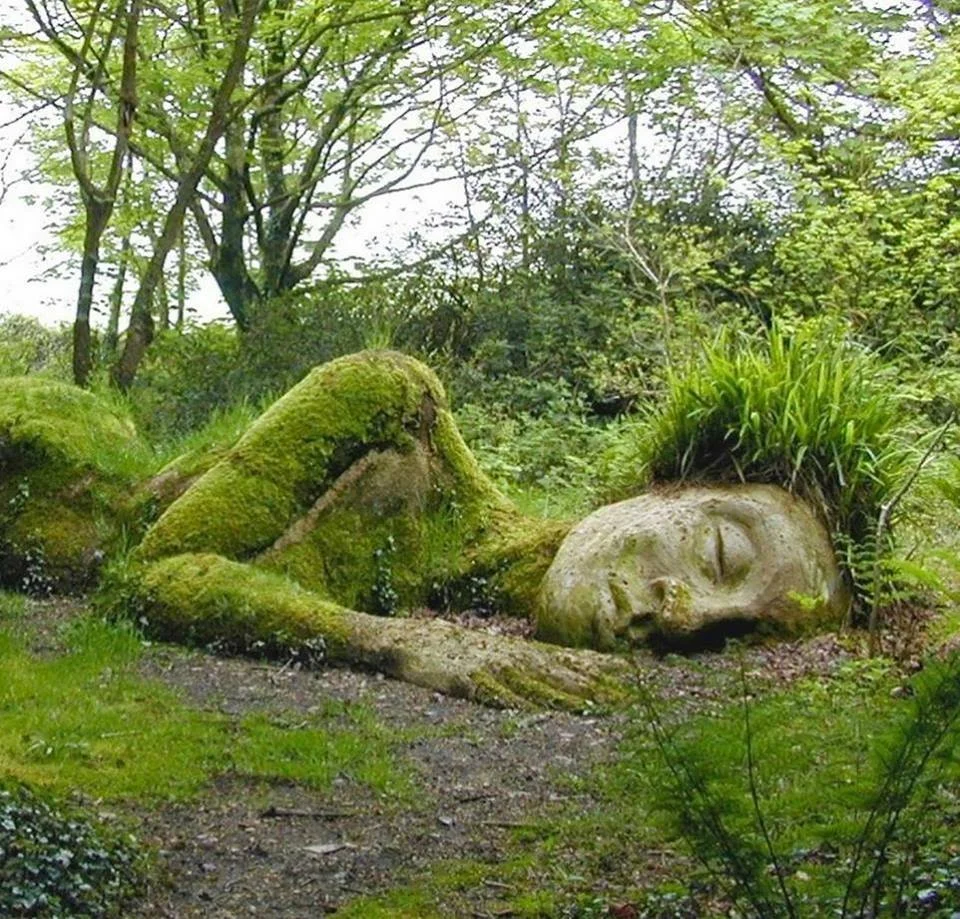
Nearby, The Lost Gardens of Heligan have now been found. One of Britain's most popular botanical gardens, they recently have been completely restored and now brim with a dazzling array of sub-tropical flowers, trees, and plants—the sort of thing your parents probably would kill to see. 

The lost gardens of Heligan, near Mevagissey in Cornwall. The gardens, created by members of the Cornish Tremayne family beginning in the 18th century, were effectively 'lost' before being rediscovered and restored.

The lost gardens of Heligan, near Mevagissey in Cornwall. The gardens, created by members of the Cornish Tremayne family beginning in the 18th century, were effectively 'lost' before being rediscovered and restored.

Along The Way: Fowey

The little port of Fowey is one of the most picturesque towns on the Cornwall coast, particularly popular with the yachting crowd. That would be us.  When winds and tides allow, we sometimes can make our way that far west. There are a number of historic buildings there, including the ruins of St. Catherine's Castle and a 14th-century church. You'll also find a number of great little restaurants and bistros. If you like to try local specialties, we recommend the Fowey River mussels. English author and playwright Daphne du Maurier (1907–1989) lived in Fowey (She wrote Rebecca, a Gothic romance about a guy who killed his wife on a boat!), as did Kenneth Grahame (1859–1932), the author of The Wind in the Willows

First-Mover Advantage

A lot of people who have gone to business school or who work in large corporations will be familiar with the term "first-mover advantage." In commerce and marketing, "FMA" is the competitive advantage gained by being the first mover—or pioneer—in a particular market segment. If you stake the first claim, you get the advantages of establishing yourself as the initial market leader.

Gaining FMA requires two things: First you have to see an opportunity. Second, you have to act to seize that opportunity. And so it is with life in general. You can be the sort of person that things happen to, or you can be the sort of person who makes things happen. When you see a life opportunity and move quickly to grasp it, all sorts of good things can happen. The alternative is to spend a life wondering what might have been. It really is essential to gain the self confidence necessary to "do."

Saint-Malo: Arguably The Crêpe Capital Of The World

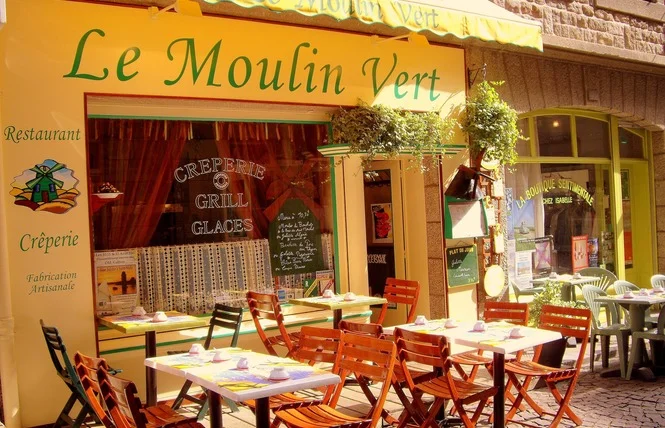
moulinvert.jpeg

Brittany is known for its crêpes (thin pancakes stuffed with everything from fruit to meats to chocolate). And St.-Malo may have more crêperies per capita than any other city in France. After a quick back-of-the-envelope calculation, we estimate there must be some twenty just inside the city walls. So, where are best crêpes and galettes (buckwheat crêpes) in la Cité corsaire? There would be several contenders. If you want an ample dollop of French charm on the side, you might go with, say, Le Moulin Vert (pictured above). But based solely on the quality of the pancakes, we say it's the Solidor. Located at 7 Esplanade du Commandant Menguy, outside the walls, the crêpes and galettes are not only delicious (some have said the best in Brittany) but very reasonably priced. For example, a ham, cheese, mushroom, and egg galette costs only slightly more than a Coke on the Champs-Elysées in Paris.

La Touline is a close runner up (6 Place de la Poissonnerie). The owner, Pascal, is a great "crêpemeister" and a great guy!

Along The Way: The Saint Helier Central Market

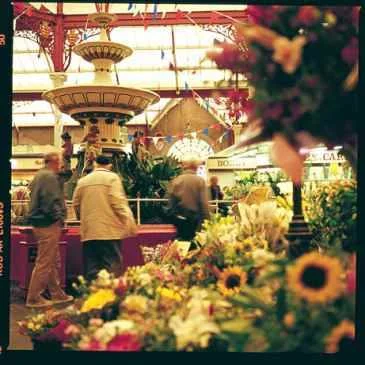
In Saint Helier, the capital of Jersey, you'll find a remarkable indoor farmers' market in the middle of town. For starters, it's enclosed in a striking Victorian cast-iron hall, opened in 1882, that features a large, ornamental fountain in the center. The market offers not only fruits, vegetables, meats, and flowers, but chocolate, wine, baked goods, and a wide variety of gifts.

From the Island's official website:

Here, you will surely be able to find those traditional, if strange-sounding, dietary desires of islanders—des mèrvelles—Jersey Wonders, (small rich cakes); de nièr beurre—Black Butter, (a traditional apple preserve, a legacy of the cider-making industry); and a bag of mixed, dried beans with which to cook pais au fou—beans in the oven, or Bean-Jar—a warming winter dish, in which the essential ingredient is a pig’s trotter, to make the rich gravy. You can still buy the ideal accompaniment —a traditional ‘cabbage loaf’ —bread baked wrapped in cabbage leaves. The dairy provides the products of the famous Jersey cow —milk, cream, butter and yoghourt —or you might like to try the flavours of the delicious ice cream.

There's even a post office and a second-hand book store. If you're not stocking the pantry, you can still sit down and have a bite to eat at one of several cafés and sandwich shops. It's the perfect place to spend a few hours and soak up the local atmosphere. Great fun.

The "Nearest Remoteness" You Can Find!

Salcombe

In all my years sailing around the North and South Atlantic, the Mediterranean and the English Channel, I have found no better cruising waters than the Brittany Coast and the Channel Islands. The breathtaking beauty of the rugged coastlines, the numerous nooks, crannies, inlets and rivers to explore, and the hundreds of small islands that rise out of the sea collectively create a wonderful wilderness. And yet civilisation is never far away.

Saint-Malo with its old city walls, St Helier with its fine wines and fruit and vegetable market, St Peter Port with its seafood restaurants and craft beer are favourite ports of call.

When you add into the mix the charm of historic village lifestyles and the sandy beaches of the nearby islands of Herm, Sark and Alderney, you have a holiday paradise.  The stress of modern life melts away as you sail from island to island with dolphins and seabirds for company.

Across the Channel, only a day’s sail away, lies the south of England. Of course, Dartmouth, Plymouth and Falmouth on the South Devon and Cornwall coasts are all worth a visit. But I particularly like the small fishing ports that dot the coastline: Salcombe, Looe, Polperro, Fowey and Mevagissey, to name but a few.

—Will Sutherland

Unexpected Company

The Channel is full of surprises, including from time to time some unexpected company. Here is a video shot a few years back in our general neighborhood by Chris Caines. It stars some friends—a pod of Bottlenose dolphins—who decided to show up and provide a playful escort. Most people don't know that the Channel around Saint-Malo is home to quite a few dolphins.


Along The Way: Victor Hugo's Hauteville House

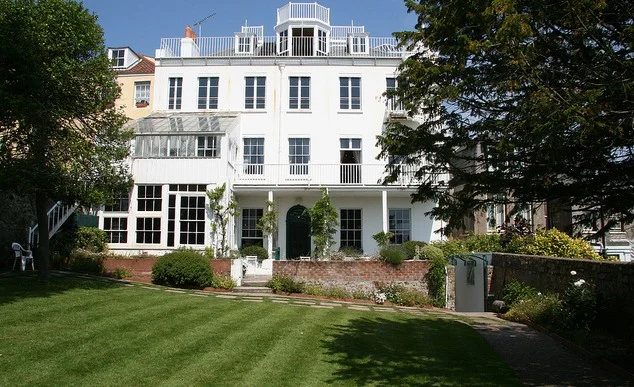
3186-Oct.-26.jpg

When Napoleon III seized power in 1851, the celebrated French author Victor Hugo openly called the new emperor a traitor to France and packed his bags. He relocated first to Brussels and then to Jersey. In 1855, he and his family settled in Guernsey, where they would spend 15 years in exile. There Hugo bought a home, Hauteville House, in St. Peter Port, where he produced several of his best-known works, including Les Miserables and Toilers of the Sea

Today, Hauteville House belongs to the city of Paris and houses a Victor Hugo museum as well as quarters for an honorary French consul. The museum and the house's impressive gardens are both open to the public.

When Hugo finally left Guernsey and returned to France in 1870, he was immediately embraced and elected to the National Assembly and the Senate.

The Google Take On Leadership

Alert reader and ELS friend Noel Thompson passed this along: It's a Tom Friedman piece in The New York Times about what Google looks for in their employees. You ought to read the entire thing, but here's an excerpt:

What we [Google] care about is, when faced with a problem and you’re a member of a team, do you, at the appropriate time, step in and lead. And just as critically, do you step back and stop leading, do you let someone else? Because what’s critical to be an effective leader in this environment is you have to be willing to relinquish power.”

What else? Humility and ownership. “It’s feeling the sense of responsibility, the sense of ownership, to step in,” he said, to try to solve any problem — and the humility to step back and embrace the better ideas of others. “Your end goal,” explained Bock, “is what can we do together to problem-solve. I’ve contributed my piece, and then I step back.”