The extraordinarily rich cultural and historical patrimonies of Europe are in their own league—and potently mind-opening. The Caribbean has nothing that can really compete. So, if you’re looking for a special environment to dispel a teenager's parochialism and broaden his/her world view, there’s no better place to do it.
Teaching tidiness—how sailing can help
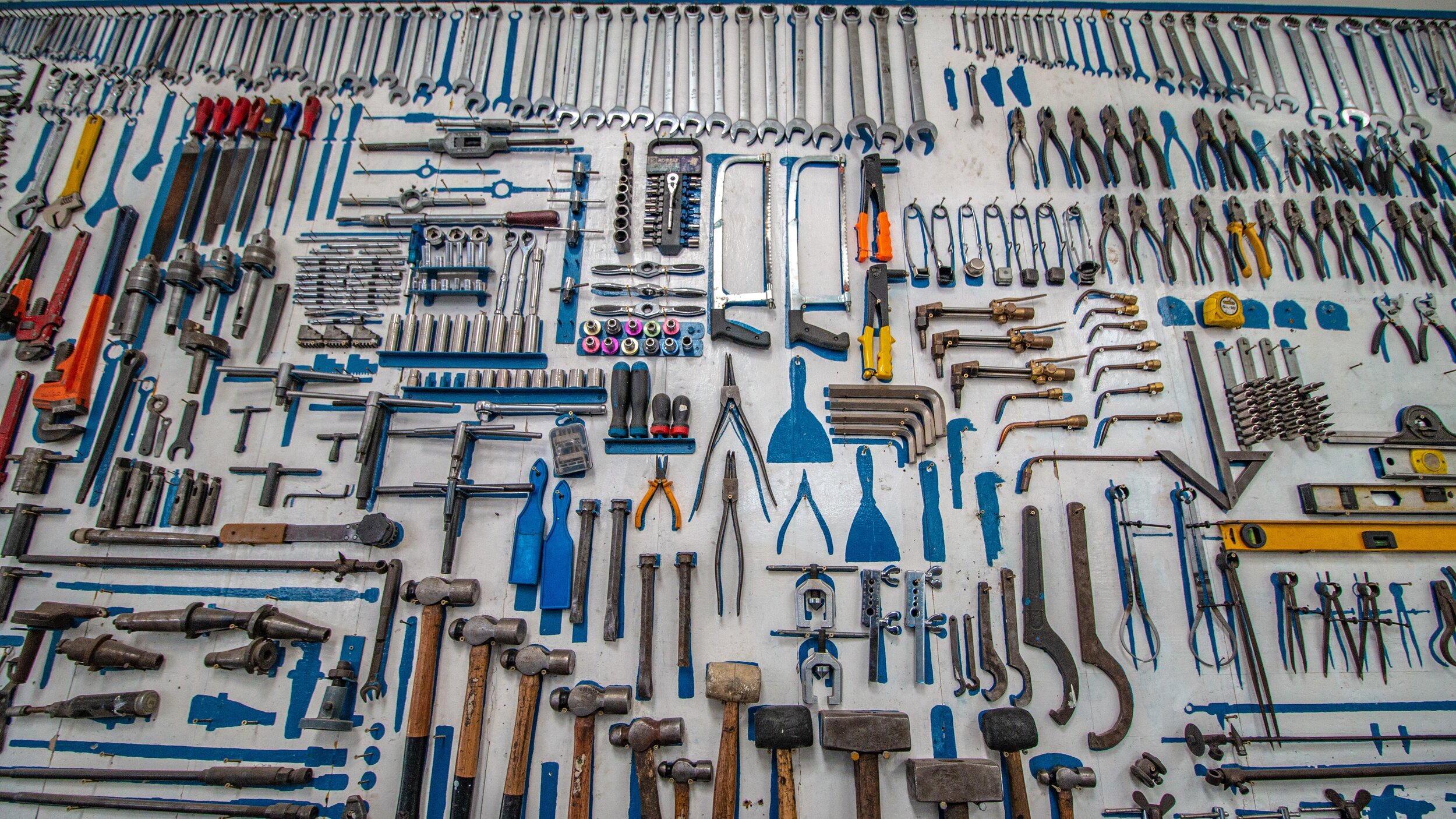
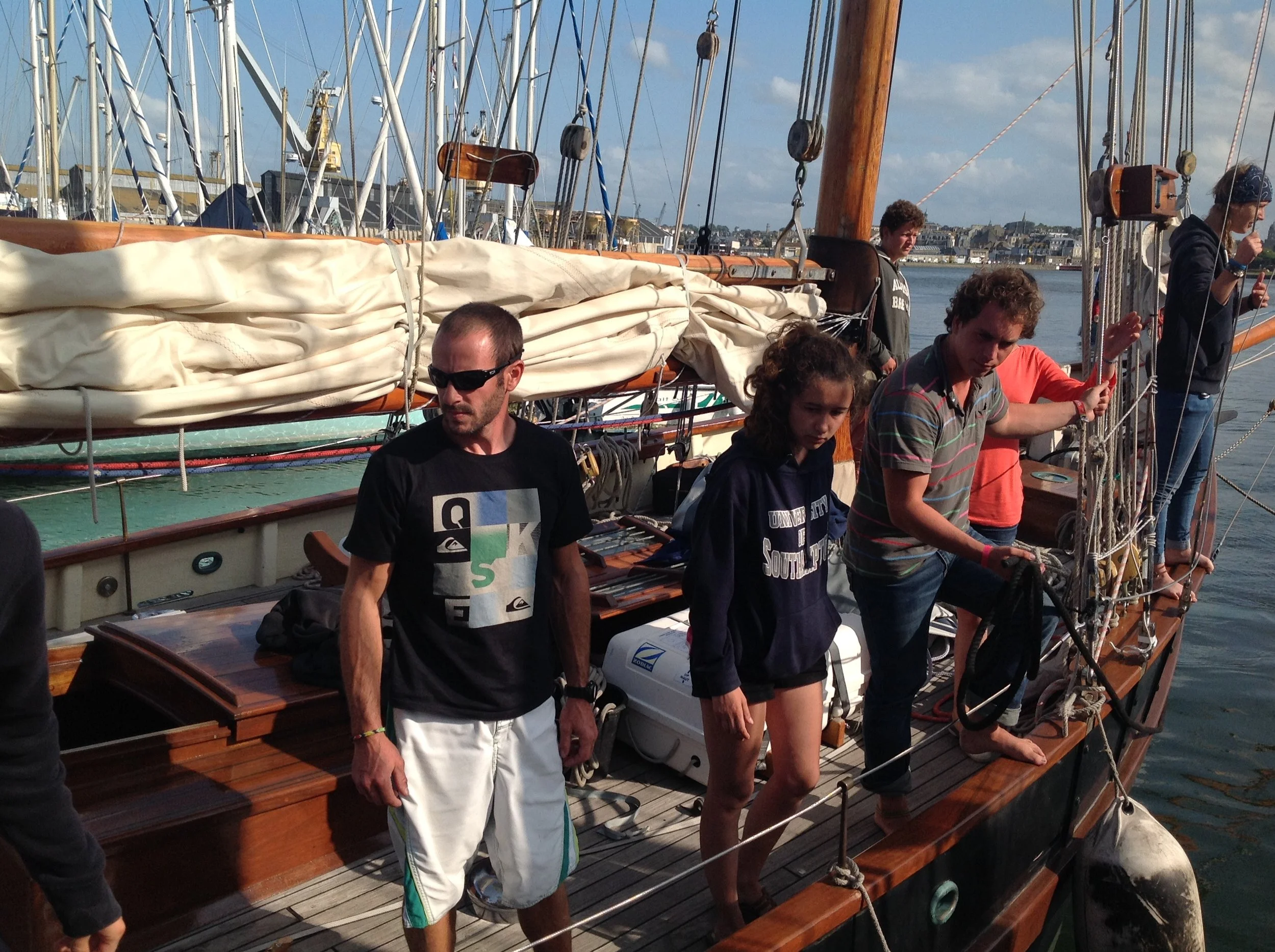
If you ever step onto a sailboat, you’ll notice ropes neatly coiled and everything in its place. A sailor will tell you no job is ever complete until every tool has been put away. That’s because on a sailboat, if you need something in a hurry, you need to be able to put your hands on it pronto. Otherwise you could be courting disaster. Similarly, you don’t need twisted or knotted ropes. They’re not much use in an emergency. So, one of the first things we teach is tidiness. Not because we want to behave like nagging parents, but because order is an imperative when you’re sailing. A mess left behind is a job unfinished. And if you don’t finish what you start, you have a character issue that could cause problems down the road—if it hasn’t already.
Buying Life-Success and Happiness, Not Things
You know what they say: Spend your money on experiences, not things; have stories to tell, not stuff to show. It’s the experiences that ultimately mean the most to us and keep paying dividends. If you’re looking for a special holiday/birthday/graduation gift for your teenager, a one-of-a-kind sailing adventure in France and England would be a great option. To navigate to our home page, just click on our logo in the masthead, above.
From an article on the subject that appeared in Forbes magazine:
Learning Lasts A Lifetime
One of the very best things you can do with money to maximize the happiness return on your financial investment is learning a new skill or hobby. Take a class in woodworking or skydiving or fencing or quilting (yes, quilting.) Buy private golf or tennis lessons. Learn to surf [or learn to sail!]. Enroll in a creative writing class or learn to paint. Get yourself a camera and join a photography club. Not only is the act of learning a new skill fun and rewarding but you will broaden your horizons as a person, giving yourself fun new activities that you can participate in for a lifetime of fulfillment while expanding your social circle at the same time. Spending your time and money on the development of new skills is a fantastic way to meet new people and explore new avenues of life you may never have considered. The thrill of exploration can come from learning to tango, you don’t have to climb mountains. Expanding yourself as a person will expand the ways in which you can experience joy, there is almost no downside. So go attend that transcendental meditation weekend retreat you've been dreaming of, it's money well spent!
With all things in life, there is no guarantee that you will always have a good experience. You may very well return from your epic vacation to the Brazilian rain forest with saber-toothed monkey lice, s*** happens. But nine times out of 10 you’re better spending your money on experiences and other people than on yourself. You’re much more likely to have genuine, fulfilling happiness as a result. So remember: You want be happy? Stop buying things and start buying experiences!
—Ilya Pozin
Sailing in style. Spend a few weeks pretending you're Cary Grant or Katherine Hepburn.
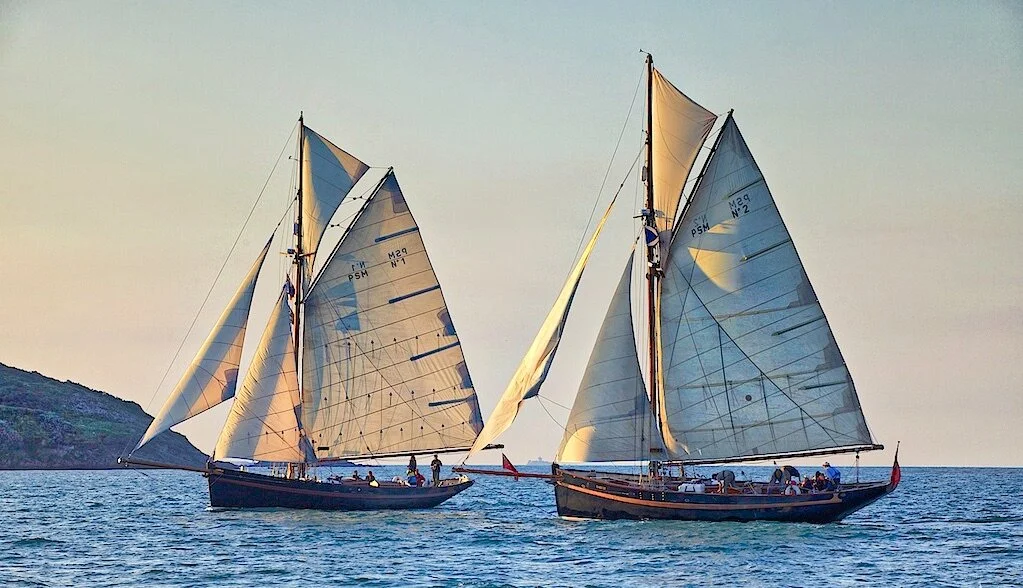
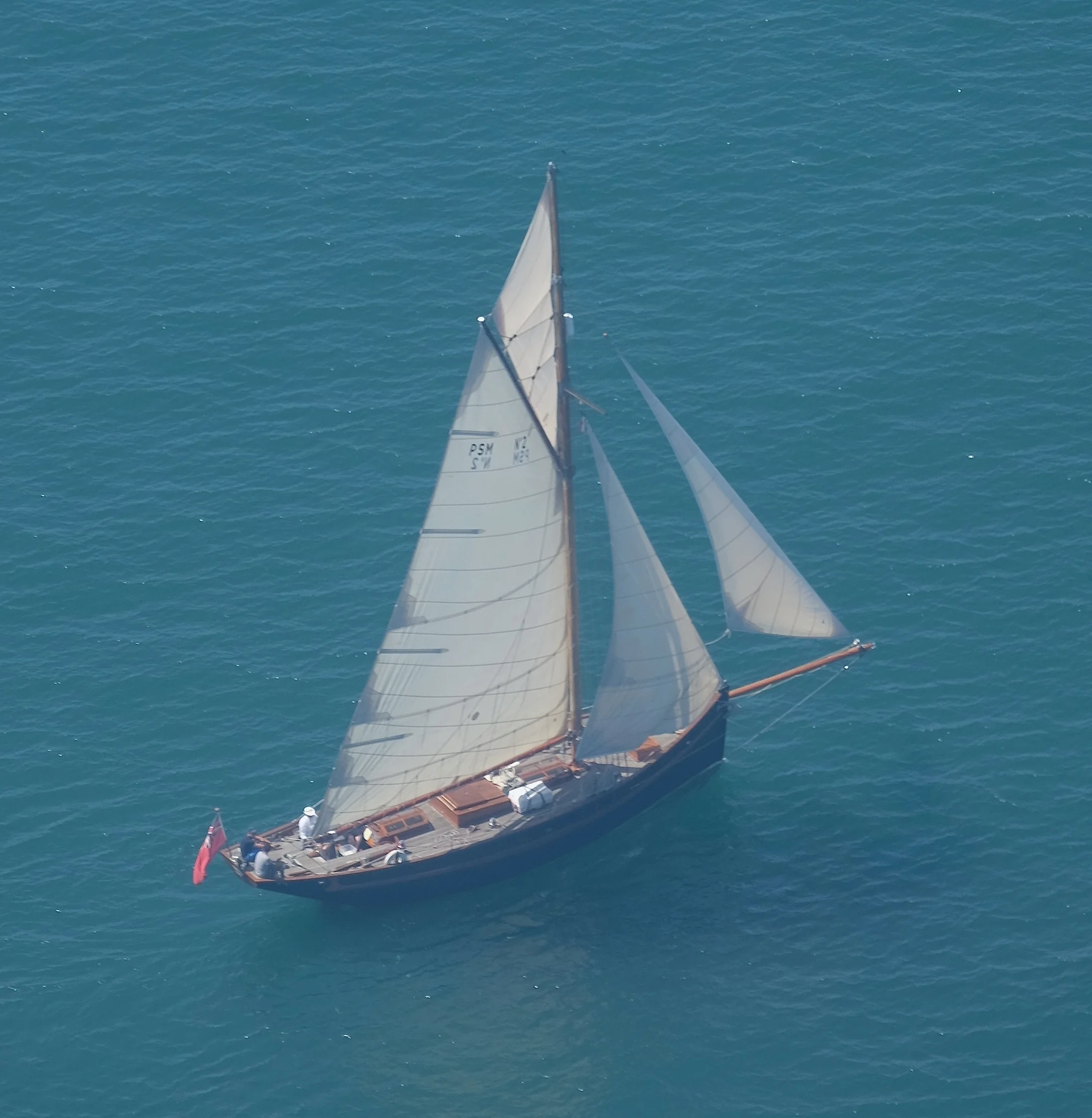
Does style matter anymore? Well, it should. Beautiful hand-made things, original art, magnificent old churches, and walks through beautifully landscaped gardens nourish the soul. Which brings us to our boats. QBE owns two Insta-worthy pilot cutters, handsome single-masted boats that have been called the best sailboats ever designed because of their seaworthiness, maneuverability, and ease of handling. If we weren’t using our cutters to teach, we’d probably be renting them to film production companies. They really are remarkable yachts. And they’re perfect for showing teens the ropes—the ones they use to trim the sails and others they’ll use throughout life. There are a number of sailing courses available to high-school students. Some of them appear to be very good. A few have the benefit of cruising clear, tropical waters and exploring the reefs that lie beneath the surface. But few of them offer the European cultural component we do. And none that we can find offer boats like ours, because, well, because there just aren’t many boats like ours. QBE sailing is about character development, history, culture, and old-school style. You should join us and spend a few weeks pretending you’re Katherine Hepburn or Cary Grant (or, if you’re not old enough to know who they are, Léa Seydoux/Idris Elba) on a great European adventure. How many chances will you get?
When it comes to building self-confidence, we would seem to come in no better than second. We'll take it.
In his acclaimed book An Intimate History of Humanity, Oxford historian Theodore Zeldin asserts that the most effective way to boost self confidence is to see somebody you’re in love with reciprocate your feelings. But if you do an internet search, you’ll find the following advice:
1. Stop criticizing yourself. 2. Devote your life towards looking for the best in yourself and in others. 3. Look good so you can feel good. 4. Get out of your comfort zone and succeed.
The first two tips are “voluntary mortifications”—part of a discipline one practices every day. Now let’s consider the second two items. 1) Looking good. This is one of the reasons we sail fabulous out-of-the-ordinary gaff-rig boats. Apart from being the perfect size for QBE teaching methods, being extremely safe, and being challenging enough to require teamwork to sail, they are eye-poppingly handsome yachts. When we come sailing into port, heads turn. You can’t help but feel cool when you show up someplace special standing on the deck of an iconic pilot cutter. And 2) Comfort zone and success. The whole point of adventure is getting out of your comfort zone. Sailing, for beginners, is a new zone altogether. Our crewmates are quickly given complete responsibility for our expeditions. They take turns tugging at ropes, skippering, and navigating (among other things). By the end of the course, they will have crossed the English Channel and repeatedly brought their boats alongside quays in postcard ports. They successfully will have done what few of their friends will ever have the chance to do, and they’ll have the pictures to prove it. Talk about a boost in self-esteem!
The sea is good for you!
From The Guardian:
Proximity to water – especially the sea – is associated with many positive measures of physical and mental wellbeing, from higher levels of vitamin D to better social relations. “Many of the processes are exactly the same as with green space – with some added benefits,” says Dr Mathew White, a senior lecturer at the University of Exeter and an environmental psychologist with BlueHealth, a programme researching the health and wellbeing benefits of blue space across 18 (mostly European) countries.
An extensive 2013 study on happiness in natural environments – to White’s mind, “one of the best ever” – prompted 20,000 smartphone users to record their sense of wellbeing and their immediate environment at random intervals. Marine and coastal margins were found by some distance to be the happiest locations, with responses approximately six points higher than in a continuous urban environment. The researchers equated it to “the difference between attending an exhibition and doing housework”.
Need advice on competition sailing instruction? Maybe we can help.
At QBE, we teach the ropes to teens who have never sailed before—or have limited experience. If your teen already knows how to sail and would like to spend some time in Europe learning how to race, we’d be happy to offer some advice. We know something about competitive sailing in the UK and France. (NB. We don’t have any affiliate arrangements with other sailing schools, so we won’t be trying to sell you anything. Contact us and we’ll be happy to share what we know.
A tip
Why would a high school student not want to seize the opportunity to spend several weeks abroad on a great adventure? The surprising frequent answer: he or she doesn’t want to spend time away from a sweetheart. Now, we have no statistics on this, but we’ve heard it more than a few times. Here’s a bit of advice: don’t let any great opportunity slip through your fingers—grab it! You don’t want to look the word “regret” up in a dictionary one day only to see your picture. A few weeks apart is not a disaster.
Experiential Learning
You can’t learn much about, say, sailing or skiing by reading about them. And you certainly can’t learn much about yourself sitting on a couch watching television. The real learning is in doing.
In a 2014 article, Rajiv Jayaraman makes the case for Experiential Learning:
Experiential Learning Is The Future Of Learning
More than a hundred years ago, Hermann Ebbinghaus formulated the learning curve, which describes the relationship between memory and time. In a nutshell, it says that, during a lecture, if your absorption rate is at 100 percent on day one, there is a 50-80 percent loss of learning from the second day onward, which is reduced to a retention rate of just 2-3 percent at the end of thirty days.
This theory is even more relevant in today's world where attention spans have come down and learning sometimes is reduced to 140 characters!
How then can 'Experiential Learning' help overcome this situation?
We believe there are eight reasons why experiential learning is the future of learning.
1.) Accelerates Learning
Repetitive Learning or learning by rote has long been replaced by 'Learning by Doing.' Experiential Learning methodology uses critical thinking, problem solving and decision making to deliver a training module. This has become an established method to accelerate learning…
Read the rest of the article here.
News Flash
Dateline QBE: The old world that many people say no longer exists… still exists. At least in many instances and places.
We are told that technology has changed everything. Well, yes and no. For example, we may use Skype to conduct a conference call, but we still prefer to go to birthday parties where people actually congregate. “A Skype party” just isn’t the same thing—no cake, no candles to blow out, no hugs. Sometimes technology is better than nothing, but love operates most powerfully face to face, the old-fashioned way.
Similarly, the foundation of a great education is still built —in large part—on the pillar of experiences. Online team sports can never replace the playing field. Online chemistry lessons can never adequately substitute for experiments in a chemistry lab. Nor can a virtual climb up a mountain ever take the place of the physical and logistical challenges (and final exhilaration) of a real ascent. Authentic achievements always convey a grace that virtual accomplishments cannot. Whether it’s building a boat, rebuilding a car, or sailing around the world, powerful emotional benefits flow from the actual doing.
At QBE, we’re all about the power of authentic physical and emotional challenges to transform young lives. There’s a time to put the smart phones down. Conquering real challenges brings a personal equilibrium and sense of self worth that, to be honest, you can’t find on the couch with some gadget in your hands. Sometimes the old ways are the best ways. If you want us to prove it, you know how to get in touch.
Psssst. Here's a little secret...
With the recent U.S. college admission scandal in the news, everybody has been talking about the “privilege” of attending an elite university. Some have argued that the real benefit of an Ivy League degree—for most people—has more to do with prestige signaling than the “education.” Entrepreneur and blogger Warren Meyer, a Princeton man, made an interesting observation recently about his own schooling:
When I think back on what I gained most in my education, I would list these three things first:
The ability to clearly define a problem — drawing a box around the system, defining inputs and outputs, etc
The ability to write (some examples on [my] blog notwithstanding)
The joy of learning — at last count I have completed about 85 Teaching Company courses of an average 36 lectures each and 13 Pimsleur language courses of 30 lessons each.
By the way, if I had to define my main privilege in all of this, Princeton would not be first, because in fact I really developed the three above in a great private high school my parents were able to afford [emphasis ours].
We hear this over and over: how important high schools are in educational formation. In fact, many folks will tell you it’s more important where kids go to secondary school than where they go to university (in most cases). Similarly, high-school experiences are often more impactful than college ones when it comes to future life trajectories, simply because younger minds are more impressionable. Something to think about.
It's Experience That Makes The Difference.
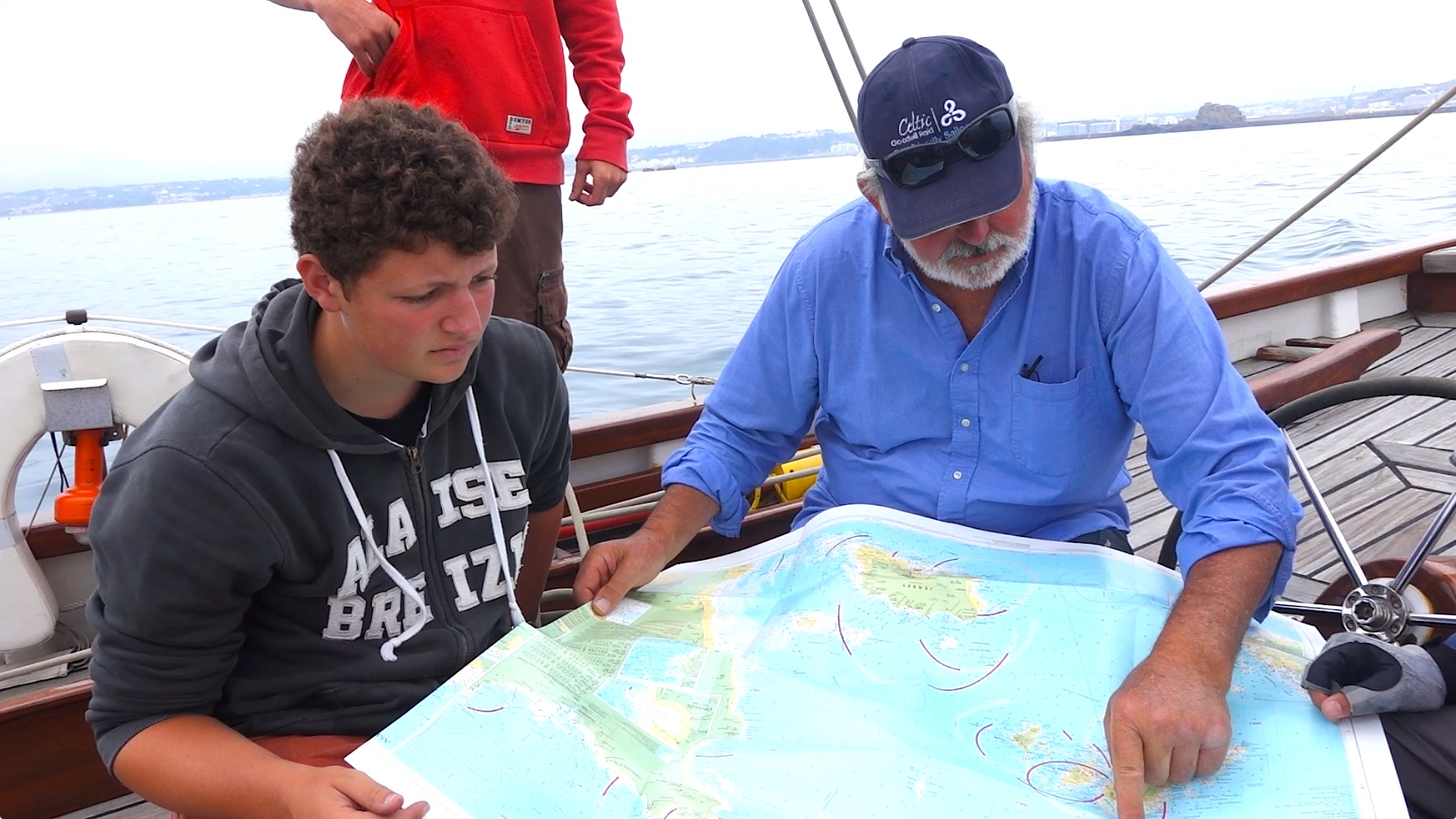
Albert Einstein once quipped that an education is what remains after you forget everything you learned in the classroom. At QBE (Qualified By Experience), we try to keep sailing instruction to a minimum and let crew members learn the ropes by themselves. That includes navigation. We teach participants how to do it, but then it’s up to them to chart their courses. Given a number of choices based on tides, wind, and weather, crew members decide where they want to go and how to get there. Sometimes, things go pear-shaped. For example, once in the Mediterranean, a crew set out for St-Tropez, in France, and wound up instead in Sanremo, in Italy. Mistakes happen. But everybody learned something about nautical navigation that day.
We use the boats we use because they are small enough for neophytes to sail without a lot of hands-on supervision. Of course, an instructor/skipper is always on hand to make sure the boat and crew are never in danger—and to answer questions—but our crew members are largely on their own after a few days of orientation. In fact, one of the biggest challenges we face is getting our skippers to shut up, stand back, and avoid the temptation to “over-teach.” When people learn by experience, they tend not to forget the lessons they learn.
World-Class Mentoring
Here's a question: What do several Hollywood movie stars and directors, a Formula One racing champion, numerous high-profile CEOs, ambassadors, and even a few members of the world's royal families have in common? Answer: They all have children who once were coached, taught, or mentored by ELS director Will Sutherland.
Agency & "Failure to Launch"
…kids sprawled out on the floor or couch, their facial expressions blank; attempts to engage them are met with only vague recognition that a conversation is taking place. Even their physical bearing seems to have been altered during these times—normally alert and engaged, they now seem tired, listless, enervated. —Senator Ben Sasse on the effects of technology and video games on youngsters.
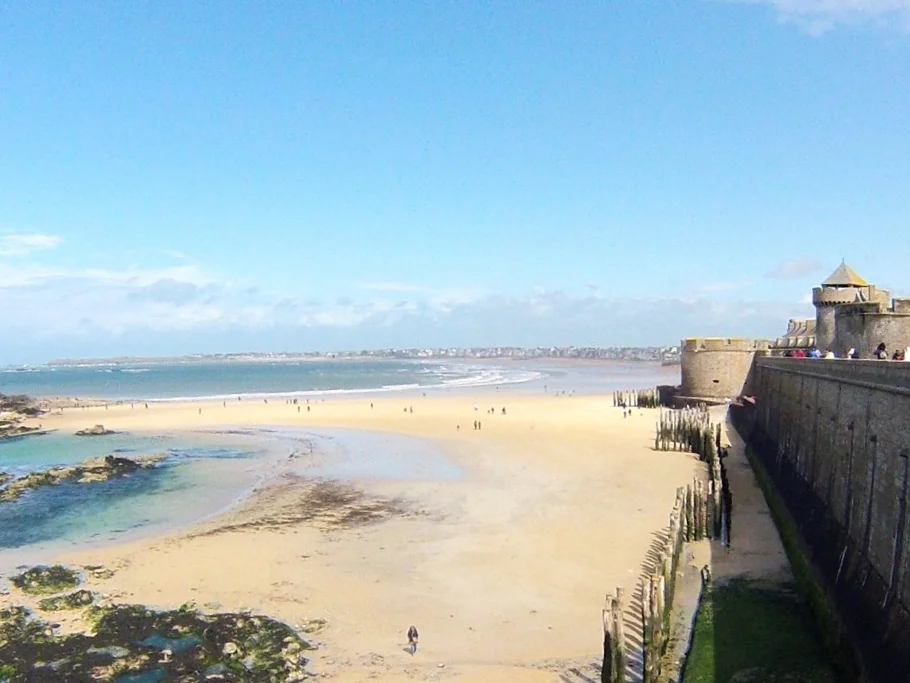
St-Malo Gets TripAdvisor's Most-Beautiful-Beach-in-France Nod for 2018
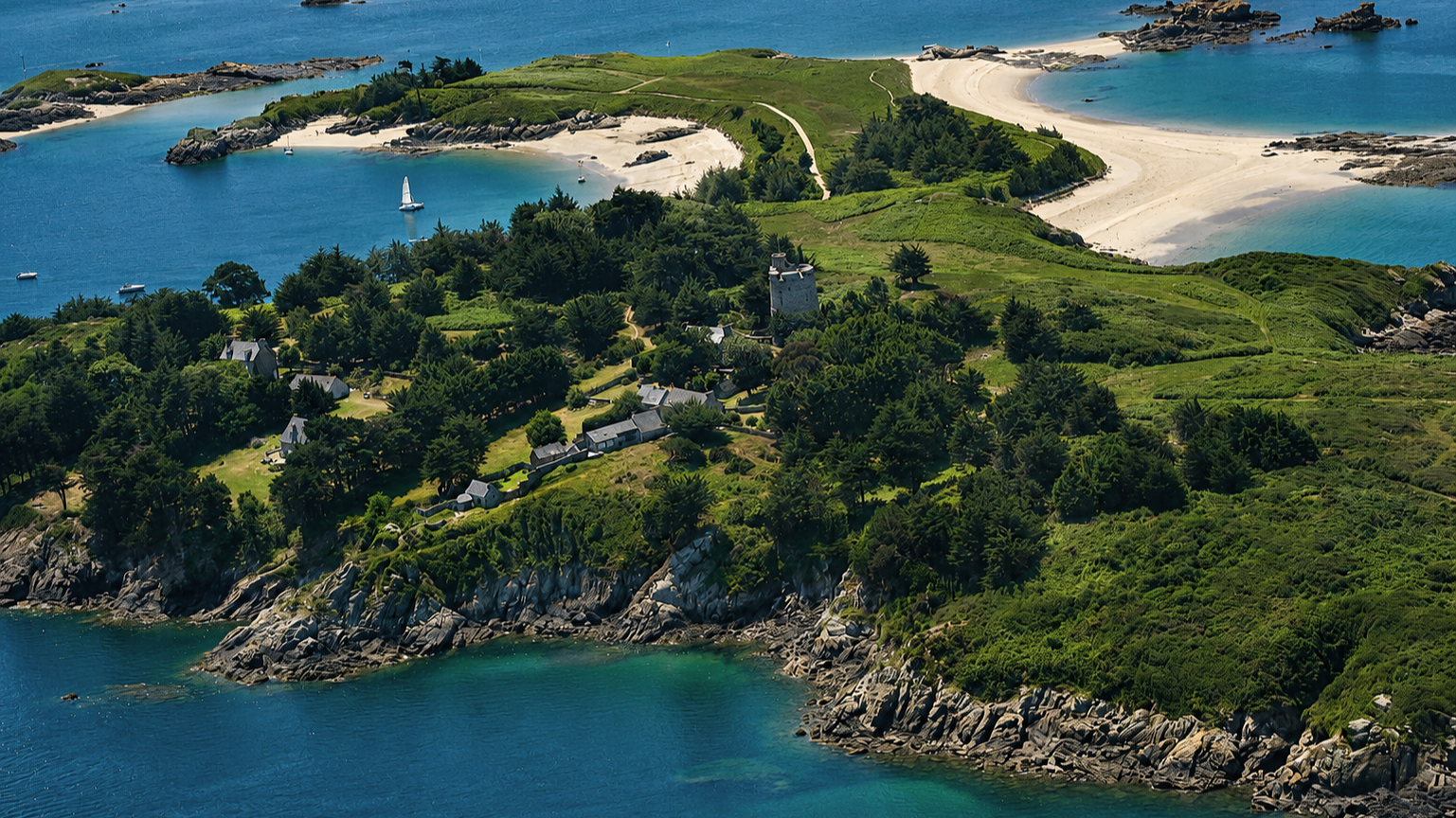
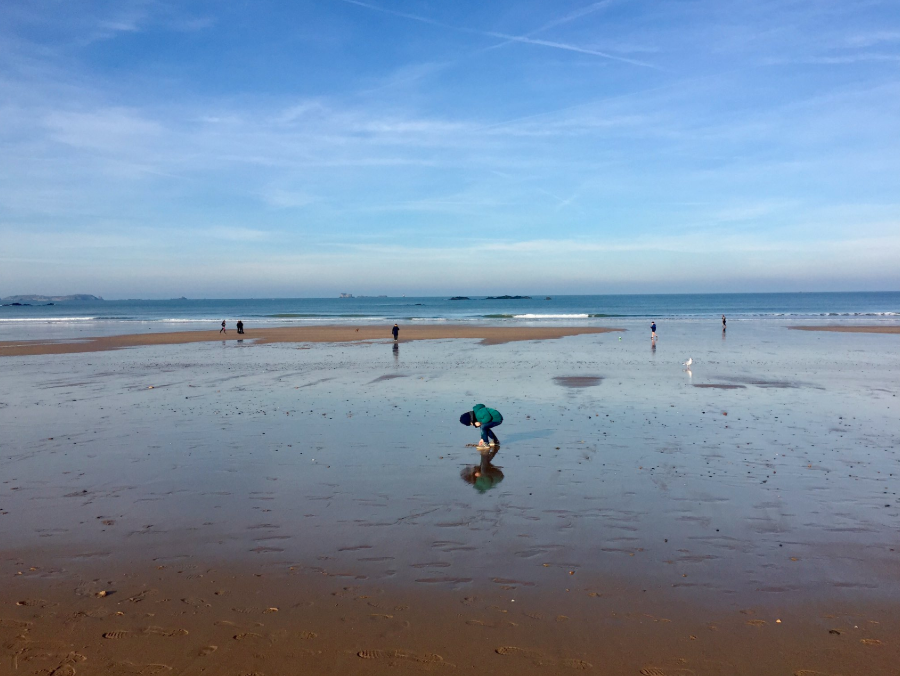
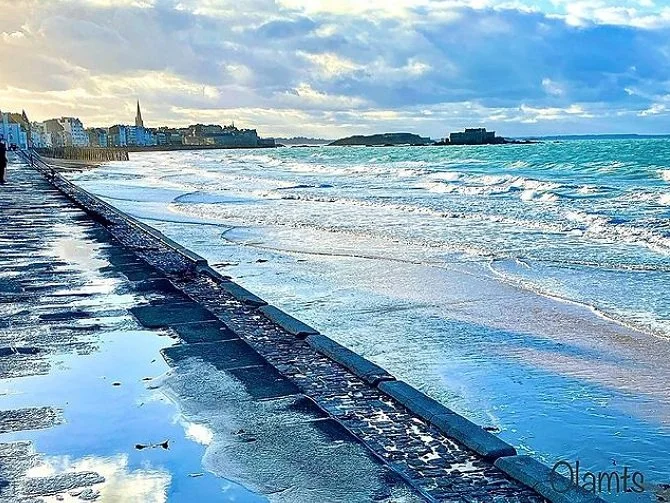
St-Malo. First place. Pop the cork! And there are lots of other fabulous small beaches in the neighborhood. St-Malo really is the bee's knees. One more reason why you should consider a visit—and enjoy the water and the view.
https://www.tripadvisor.com/TravelersChoice-Beaches-cTop-g187070
St.-Malo's first-place beach—at least for a year.
The Symmetry between Sailing and Entrepreneurship
Digital Detox at Sea
In a world where cell phones and video games take up an inordinate amount of teenagers' time, it's useful to know there are places they can go where they're off the digital grid. Taking an ELS expedition is like stepping back in time. Much of the English Channel is a wilderness and our boats are constructed using a 19th-century design. They don't come equipped with Wi-Fi. While we want crew members to be able to take and share pictures of their adventures, technology usage is extremely limited. That leaves ample time to absorb new experiences, learn new skills, and make new friends.
Want more evidence of the benefits of digital detox? Click here.
Living an Interesting Life
The Week recently posted an article by Eric Barker, the well-known blogger ("Barking Up The Wrong Tree"). The title: Seven ways to be the most interesting person in the room. Now, "interesting" need not imply narcissism or snobbery. It simply helps people avoid being a bore, which apart from anything else is an essential ingredient in the stew we call good manners. And, of course, it includes the imperative to be interested in others, as well. Eric concludes his piece:
And most importantly: Live an interesting life.
Remember the theme of Don Quixote: If you want to be a knight, act like a knight. If you don't read, watch, and think about generic things, generic things are less likely to come out of your mouth. This doesn't need to be expensive or difficult. Hang out more often with the most interesting people you know. The friends you spend time with dramatically affect your behavior — whether you like it or not. The Longevity Project, which studied over 1000 people from youth to death had this to say: The groups you associate with often determine the type of person you become. In The Start-up of You, Reid Hoffman and Ben Casnocha talk about how the best way to improve particular qualities in yourself is to spend time with people who are already like that. The best and most reliable way to appear interesting is to live an interesting life. [Emphasis ours] And to pursue that ends up being far more rewarding than merely making a good impression on others. [Though being somewhat impressive can give a major boost to your self-image and confidence.]
Hmmm. Sometime in your late teens sounds like a good time to start embarking on great adventures in interesting places with interesting people—adventures that will shape your character for the rest of your life.
Outdoor Adventure Courses—Compressing The Time Between Significant Achievement And Transformative Results
The impact [of completing an outdoor adventure course] doesn't just take the form of a thrill, it takes the form of a revelation: "OMG, I can't believe I just did that. Wow! What else might be possible?" Indeed—all sorts of things. There's an enormous satisfaction that comes not only from overcoming your own self-doubts, but in realizing so many new possibilities. And when goals become more ambitious, motivation and grit inevitably emerge. True self-confidence spawns self-discipline. Organizing towards future objectives becomes second-nature.