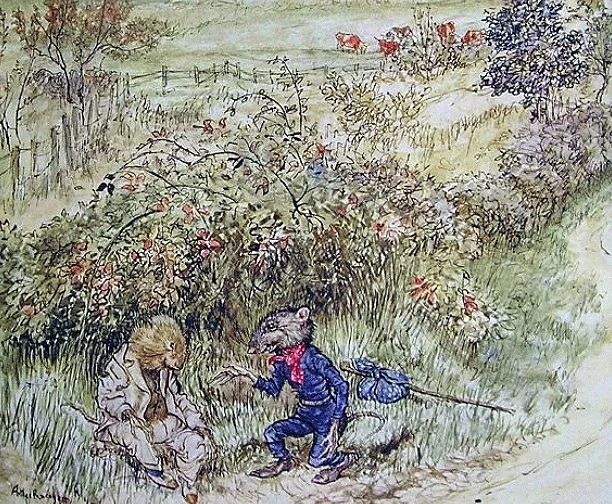
A blithesome step forward

Arthur Rackham’s illustration of Grahame’s two rats.

Some of you no doubt will recognize the following passage from The Wind in the Willows, a famous children's book by British writer Kenneth Grahame that spins a tale of several anthropomorphised animals living in the English countryside. In one chapter there is a discussion between a river rat homebody and an adventuring seafaring rat.

In a plea from the seafaring rat (who wants to hop aboard a ship headed south) to the river rat (who wants to remain behind), the case is made for a great adventure. (We have redacted and substituted some text, e.g., substituting “a larger world’”for ‘“the South'‘ to make a point.)

”And you, you will come too, young brother; for the days pass, and never return, and [a larger world] still waits for you. Take the Adventure, heed the call, now ere the irrevocable moment passes! ‘Tis but a banging of the door behind you, a blithesome step forward, and you are out of the old life and into the new! Then some day, some day long hence, jog home here if you will, when the cup has been drained and the play has been played, and sit down by your quiet river with a store of goodly memories for company. You can easily overtake me on the road, for you are young, and I am aging and go softly. I will linger, and look back; and at last I will surely see you coming, eager and light-hearted, with [so many amazing experiences] in your face!

We offer a terrific adventure opportunity for young adults. You should seize it.

Did you know Guernsey has a Diamond Museum?

It shouldn’t come as a surprise. After all, there’s a lot of money sloshing about in the Channel Islands—Monaco-dans-la-Manche (Monaco in the English Channel). But just in case you didn’t know and might be interested…

From the tourist bureau’s website:

Want to know how to spot a quality diamond in the rough? Learn how to choose the perfect stone for you and become a diamond expert from carat to cut; clarity to colour. Nestled safely in the old John Tanns bankers vault, The Guernsey Diamond Museum gives a fascinating insight and practical guide into the sparkling world of diamonds. Find out the gemstones rich history, including mystery, scandal and superstition along with expert tips and information on picking out diamond jewellery

* FWIW: We note that there are also a surprising number of exotic/super cars on prosperous Jersey, an island with a 40mph speed limit. We can only assume the locals don’t want to waste much time going from 0 to 40?

There really are so many unexpected things to see and do in our sailing area. What we lack in coconut palms we more than make up for in rich history, cultural treasures, and fascinating discoveries.

Two kinds of European enrichment trips (for non-European teens)

Most parents packing their teenagers off to Europe for the first time send them to one or more major cultural capitals to see the famous sights: London, Munich, Paris, Rome, Florence, Venice, etc. And all those cities are indeed feasts for the eyes and other senses. Nobody would argue that they shouldn’t be on a bucket list.

But then there are some who opt for a “road-less-traveled” itinerary. Both kinds of adventures fire a young adult’s imagination. But the former is intended primarily to stimulate the intellect while the latter often emphasizes character building and looks to chip away at adolescent parochialism with a more “authentic“ European experience. That would best describe a QBE expedition.

Our crew members don’t get lost in great hordes of tourists or stand in lines for hours waiting for a glimpse of an artistic masterpiece. Instead, they explore more off-the-beaten-path coastal Europe. They get to make new friends, some who don’t speak the same native language. They learn a new skill—traditional sailing. They set and meet ambitious goals. And they get the chance to experience unexpected folkways, avoiding the faux culture and claustrophobia of crowded tourist traps. Too, sailing from port to port, there’s more time to reflect and assimilate new experiences along the way.

In a recent Instagram post by filmmaker Nancy Myers (Something’s Gotta Give, The Holiday), she mentioned that she first went to Paris as a year-eleven student, along with her French class. It made an enduring impression. In fact, Europe features prominently in several of her romantic comedies. Interestingly, there were several comments from her followers mentioning that they, too, had first gone to France as teenagers and that their experiences in the French capital profoundly enriched their lives, as well. So Paris is indeed a great destination—a proven winner. It can even be a life-changer.

But to paraphrase the famous line from Casablanca, “You’ll always have Paris.” Or Rome. Or London. They will always be there, waiting for you. A teenage European expedition on classic yachts won’t be. Alas, we all grow up and move on with our lives.

Then, of course, maybe you can find a way to do both during the same summer break?

Folly or Gift?

Will Sutherland, QBE’s founder and director, has been teaching for some 50 years. But he’s been sailing for longer than that. Many in his family think he should retire; after all, that’s what most people do when they reach retirement age. They think the QBE project is now nothing more than an old sailor’s folly.

But what if you have a passion for what you do? What if you have a real gift for teaching? What if you’re a modern-day Obi-Wan Kenobi, able to impart knowledge and insights that can change the trajectories of young lives?

Will was born to teach. It’s clearly his calling. And for as long as he can, he plans to use his boats to inspire new generations of young adults. Many of us who had invaluable mentors as young adults will always be thankful for the Will Sutherlands of this world. if you’re a teenager, you really should jump at the chance to join somebody with his experience and expertise on one of his unique expeditions. It actually is a once-in-a-lifetime opportunity.

Teens: Learn to sail on a QBE Pilot Cutter

If you want to learn how to sail, you should choose 1) a terrific instructor and 2) a great boat on which to learn. We’ve got both. You can join us this summer, in July or August. When you go home, you’ll be a proficient sailor—and navigator. Book your place now! (Watch QBE founder and director Will Sutherland discuss his boats here.

Stargazing

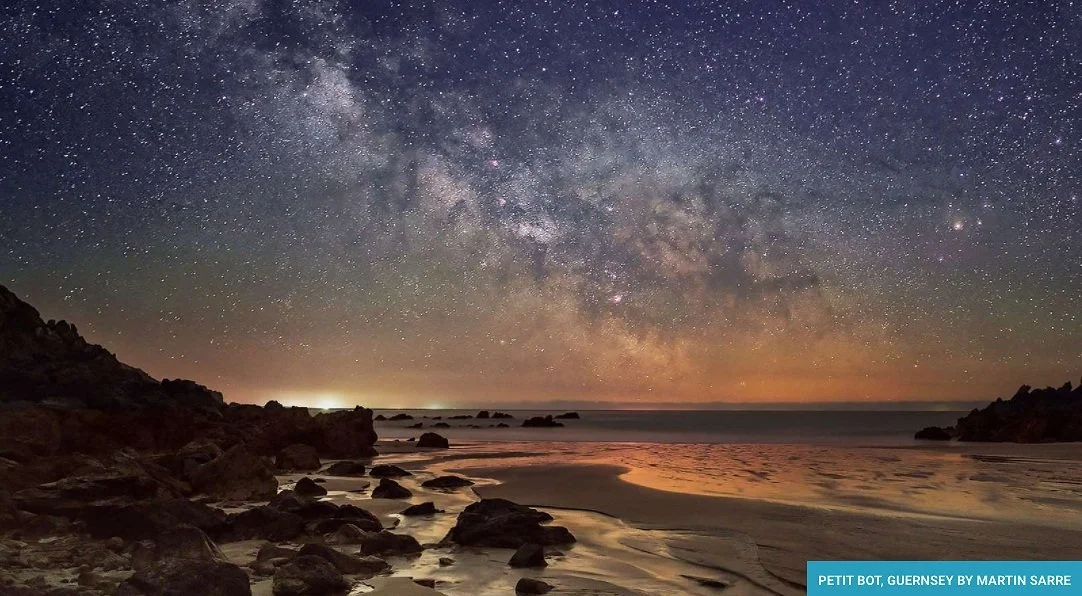
There are many surprising things to see and dozens of things to do on a QBE sailing expedition. But of all the memories our crew members take home, many cite spectacular stargazing as among the most indelible. The heavens are always above us, but often barely visible. When you’re at sea or on a small island, the fog caused by light pollution lifts and the heavens reveal themselves. It’s, well, a revelation. And some claim a spiritual experience.

https://www.visitguernsey.com/magazine/stargazing-on-the-islands-of-guernsey/

The most welcoming towns in Brittany according to booking.com

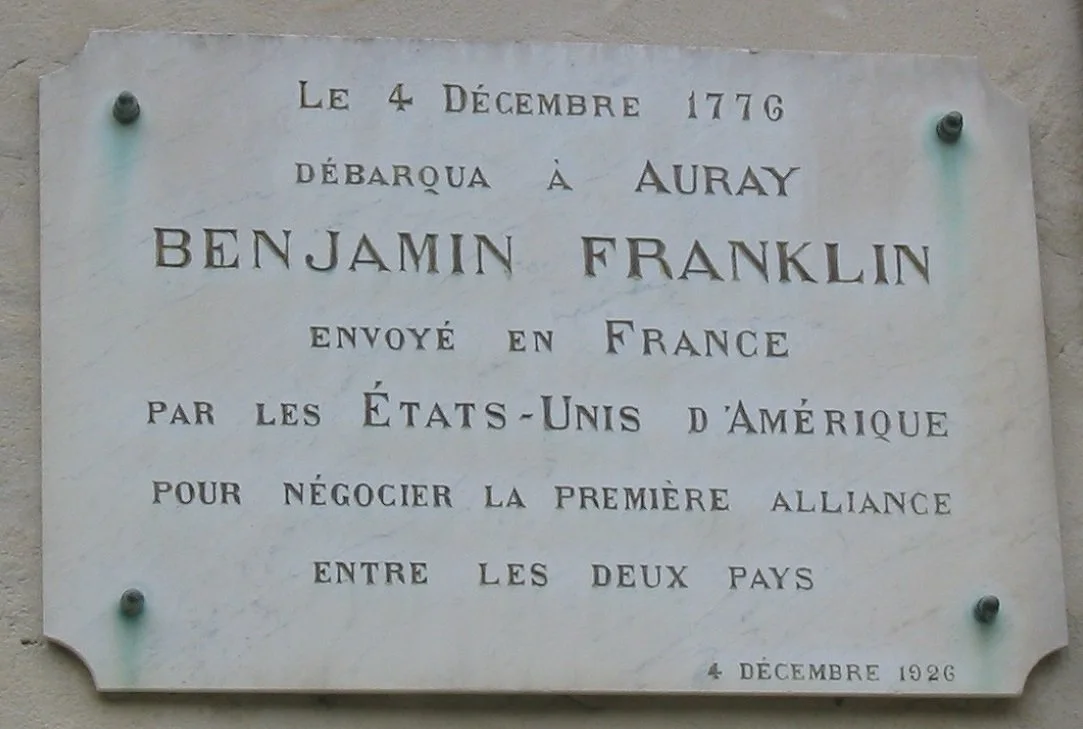
Auray has shown its hospitality to Americans for over two centuries. The plaque says that on December 4, 1776, Benjamin Franklin, as the American envoy to France, disembarked at Auray [on his way to Paris] to negotiate the first alliance between the two countries [or between France and the ASPIRING independent country that, after the 1783 Treaty of Paris, would become the “free, sovereign, and independent” United States of America]. That alliance would provide the American colonists with much-needed military and financial assistance. The American Revolutionary War practically bankrupted France and contributed to the demise of the French monarchy.

(We got this news flash from France Bleu, a network of 44 public radio stations scattered across France)

« Auray en tête, devant Saint-Brieuc et Saint-Malo »

And it says…

“Auray at the top of the list, ahead of Saint-Brieuc and Saint-Malo”

Mais dans la région, c'est Auray, dans le Morbihan, qui remporte le prix de la ville la plus accueillante, se plaçant en 20e position au niveau national. En deuxième place, on trouve Saint-Brieuc (Côtes d'Armor), puis suivent Saint-Malo (Ille-et-Vilaine), Dinan (Côtes d'Armor) et Douarnenez (Finistère). Tous les départements bretons sont donc représentés. 

But in the region [Brittany] it’s Auray, in Morbihan, that wins the prize for the most welcoming town, placing 20th nationally. Saint-Brieuc (in Côtes d’Armor) placed second, followed by Saint-Malo (Ille-et-Vilaine), Dinan (Côtes d’Armor), and Douararnez (Finistère). So all the Breton départements are/were represented.

Selon les commentaires laissés sur Booking.com, "les interactions amicales et les gestes accueillants sont donc particulièrement importants au cours d’un séjour, tout comme la santé et l’hygiène en ces temps incertains marqués par la pandémie de Covid-19 “.

According to reviews left on the website from booking.com travelers, “friendly interactions and welcoming gestures are particularly important during a stay, just as are health and hygiene during these uncertain times, marked by the COVID-19 pandemic.“

**Now, if visitors to Saint-Malo had only stopped by the quay to say “hi,” the “Corsair City” would undoubtedly have placed higher. We are nothing if not welcoming!

Pilot cutters: “the finest sailing boat design ever”

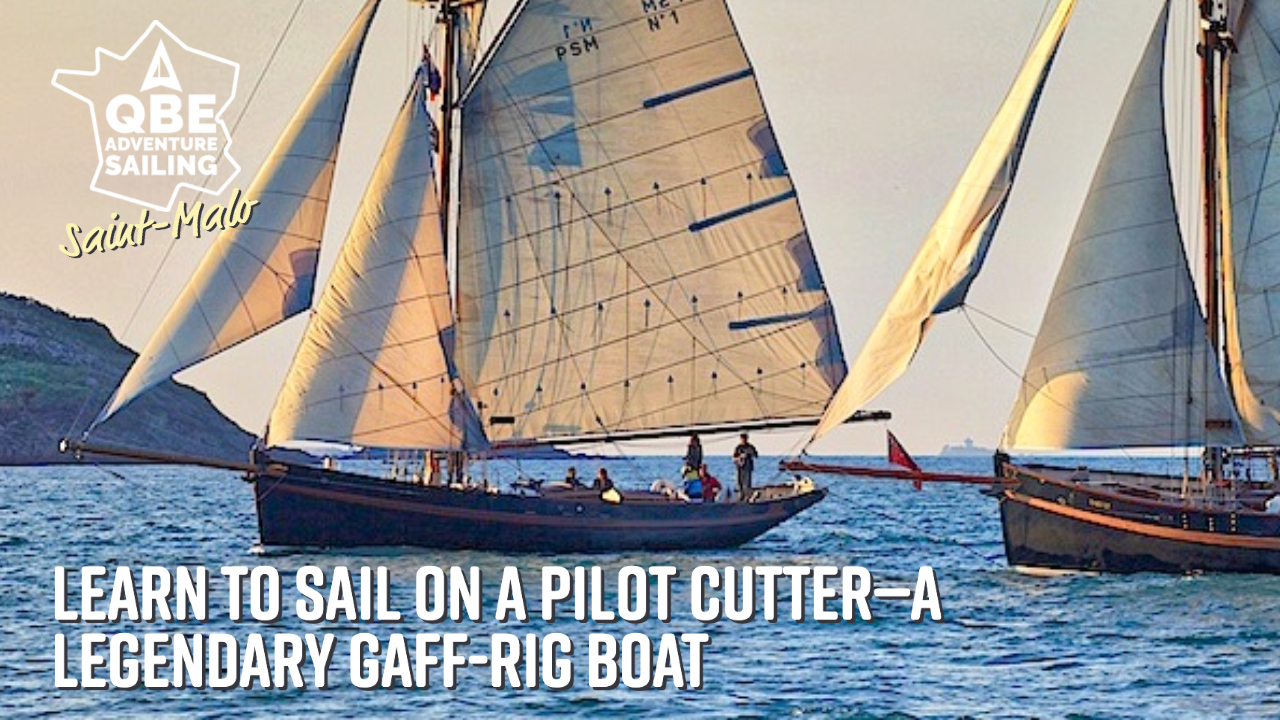
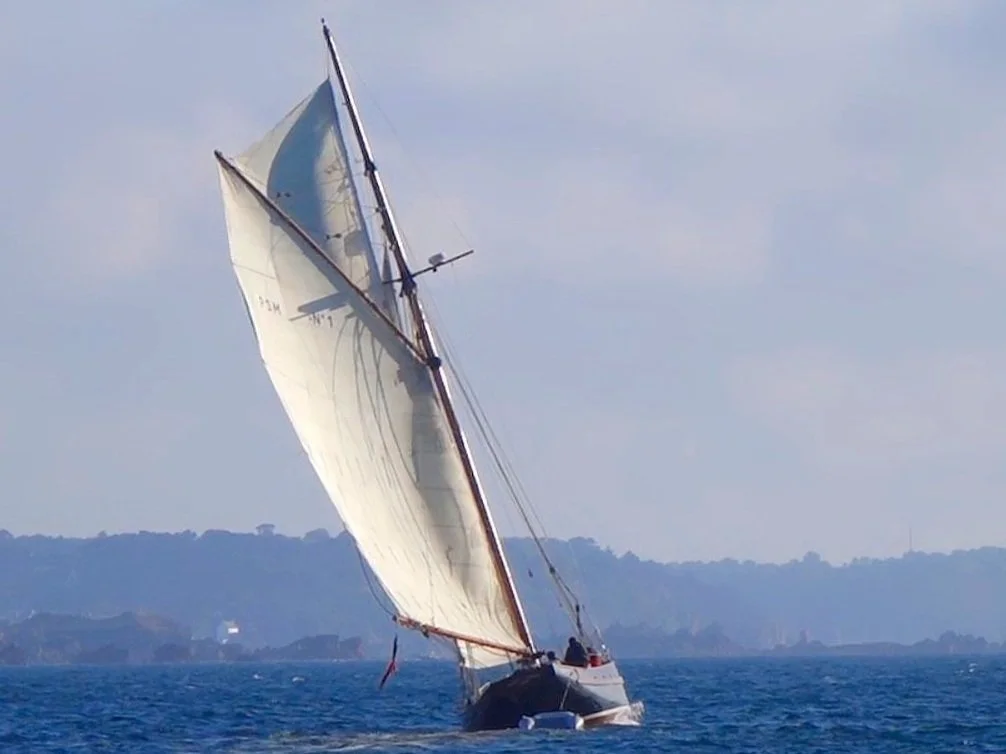
We tell people we take teens on sailing expeditions aboard two classic pilot cutters. And some folks just shrug: “Are we supposed to be impressed?” Well… yes, yes you are. All boats are not created equal. In our last post we featured QBE founder and director Will Sutherland talking about his cutters, built according to a 19th-century French design. But, in fact, our boats are very similar to the famous pilot cutters built to ply the treacherous Bristol Channel, about 200 miles north of Saint-Malo, our home port. Here’s the first part of a documentary by Tom Cunliffe about the history of one of Britain’s most storied boats.

(The first part of the documentary is 16 minutes long.)

Many consider the Bristol Channel pilot cutter to be the finest sailing boat design ever. Fast, seaworthy and beautiful to behold, the pilot cutter is the perfect combination of form and function - a thoroughbred perfectly adapted to a life in one of the Britain’s most treacherous stretches of water. Sailor and writer Tom Cunliffe explores the life of the pilots and sails a perfectly restored cutter to find out just what drove these men and their wonderful machines.”
— From the video description

Will Sutherland talks about QBE’s charismatic sailing boats

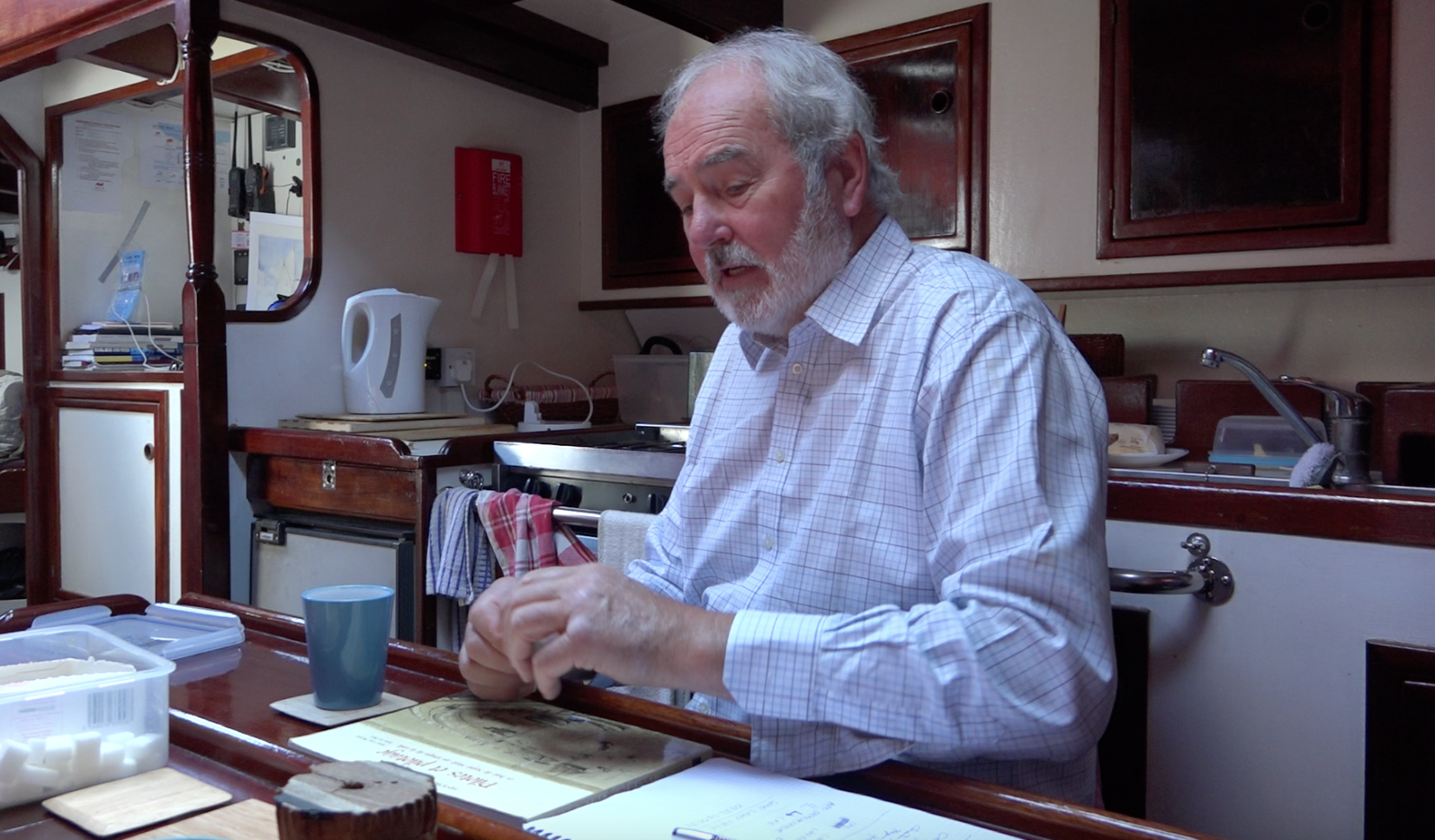
The boats look after themselves [...] and the boat looks after the crew.”
— Will Sutherland on why pilot cutters make the perfect boats for teen sailing

Several years ago, QBE founder and director Will Sutherland sat down in the galley of one of his boats to talk about the history of pilot cutters and how his two, Marie Claude and Yseult, came to be built. The video was not staged—people were coming and going—and there were a few technical “glitches.” But keep in mind It was just a kitchen table conversation that somebody captured on their video camera. Production imperfections notwithstanding, it’s an informative and interesting clip. What comes through loud and clear is Will’s impressive experience and deep expertise. The video is 10-minutes long.


“Boutique” Teen Sailing Expeditions

QBE is what people these days would call a “boutique” sailing program(me): small, lots of personal attention, and “unique selling points (USPs).“ Our boats are very much old-school chic. Our European destinations are right out of a Rizzoli® coffee-table book. And our expeditions are largely organized by crew members who take ownership of most of the everyday tasks, including navigating and taking turns at the helm. We even give our crews the latitude to get lost! (Yes, we have GPS, but that doesn’t mean we let our teens use it.)

Come to think of it, QBE is a bit like the small school in the Swiss Alps where our founder, investors, and volunteers all first met. The views were spectacular. We organized our own mountain expeditions. And the houses/dorms were old converted hotels that oozed charm but needed occasional roof repairs*.

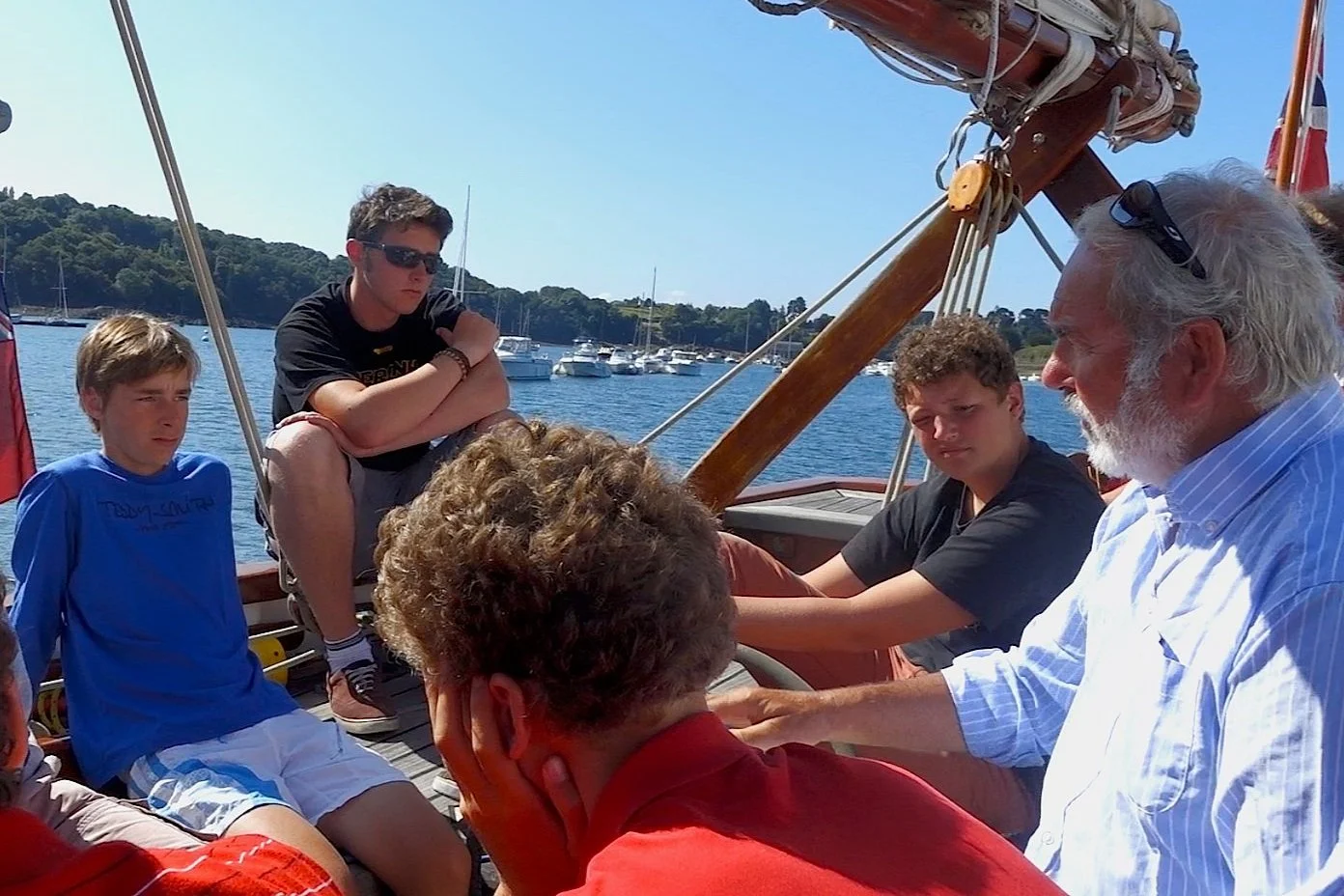
Our pilot cutters are far from state-of-the-art, but they were solidly built by an artisan boatwright a number of years ago, using a 19th-century design. We think they significantly upgrade our value proposition. They are wonderful to sail, very steady in choppy seas, and eye-popping to look at, whether tied up by the quay or cutting through the water at full sail. As an additional plus, our director, Will Sutherland, is a world-class sailing coach and experienced high-school expeditions master. When it comes to premium personal-development and summer enrichment for youngsters, you can’t do better.

*For clarification, our boats DO NOT leak.

The Breton wilderness

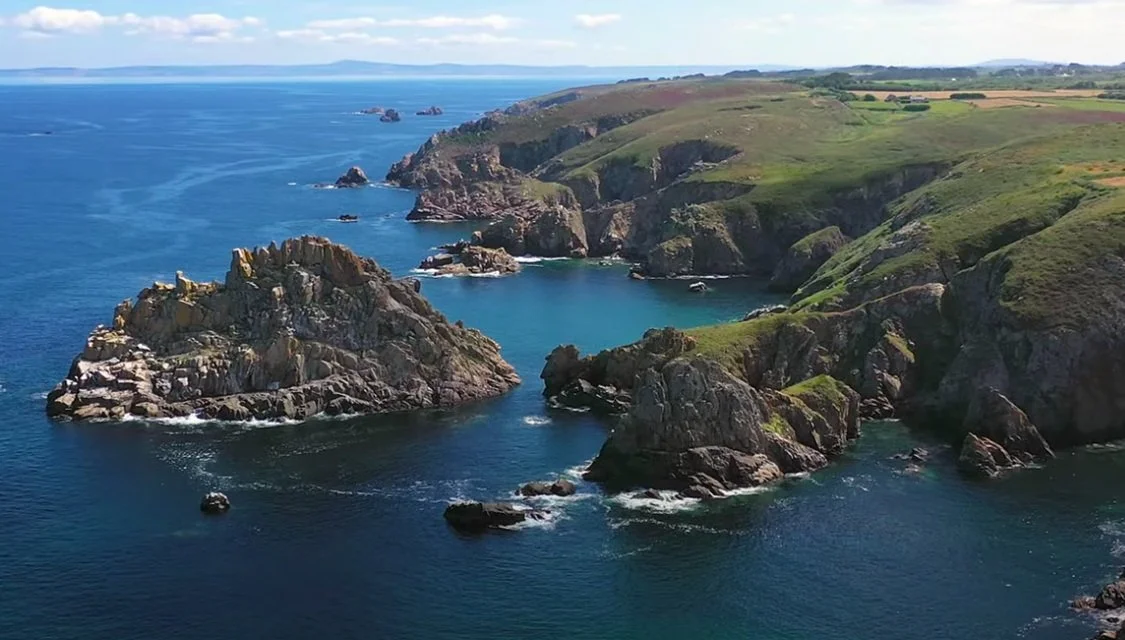
When people talk about wilderness courses, they normally mean a trek through some sparsely populated area—often a remote forest or mountain ridge. Or maybe a rafting expedition down a wild river. Many people are surprised to learn that our European neighborhood boasts some impressive under-the-radar wildernesses, many of them along the Breton coastline. Our crew members get the opportunity to see and explore some of them. Take a look at this short drone video of Cap Sizun, produced by Breton photographer and videographer Thibault Poriel (www.thibaultporiel.com):

Cap Sizun is in the département of Finistère, near the western tip of the Breton Peninsula (Finistère means “Land’s End”). Like many national parks around the world, its natural beauty is spectacular. And one of the best ways to see it is… by boat.

©Thibault Poriel. The use of this video on our blog in no way implies an endorsement of QBE Sailing by the copyright owner. It serves only to illustrate the striking beauty of stretches of the Breton coast.

GRACE

In an effort to improve our search rankings, we call ourselves a “a sailing camp,” “an outdoor leadership school,” “a summer enrichment program(me),” “a treasure trove of university admission essay ideas,” and a few dozen other things. And, in one sense or another, all that is true. Teens learn how to sail a traditionally rigged boat; they discover postcard places and unfamiliar cultures; they make great new friends; and they learn something about teamwork, resilience, and leadership. Each expedition provides an expansive array of new experiences and lessons for our crew members to assimilate.

But if we had to net it out, the QBE team (including our volunteers) strive most of all to be a channel of GRACE. Along with teaching young adults how to chart a nautical course, we help them find their own coordinates and think about future directions. As we sail from port to port, we see new confidence and character emerging day by day. Our sailing expeditions prove to crew members that they’re capable of more than they think they are. And that constantly emerging recognition of personal agency helps them see their inestimable worth and impressive potential. We can honestly say that when our courses work the way they’re designed to, which is most of the time, they do in fact confer a transformative grace.

Bonne Année !

Here are Guy Béart  & Dominique Dimey  with their New Year’s standard, “Bonne Annee, Bonne Chance”
(Happy New Year, Good Luck):

(We’ve included a transcription and translation…)


Bonne année, bonne chance | Happy New Year, good luck
Bonheur et santé | Happiness and good health
Buvons à l'espérance | Let’s drink to hope
Vive la gaieté | Long live gaity

Bonne année, bonne chance | Happy New Year, good luck
Amour, amitié | Love, friendship
Du soleil sur la France | The sun shining on France
Et le monde entier | And the entire world
Dans cette terre de guingois | In this land all out of whack
Faisons sauter les bouchons de la joie | Let’s pop some corks of joy

Bonne année, bonne chance | Happy New Year, good luck
Bonheur et santé | Happiness and good health
Buvons à l'espérance | Let’s drink to hope
Vive la gaieté | Long live gaity

Bonne année, bonne chance | Happy New Year, good luck
Toujours en beauté | Always beautiful
C'est l'hiver qui commence | Winter is upon us
Et bientôt l'été | And soon [it will be] summer [again]

On s'aimera toujours d'amour | We will always be bound by love
Il neigera les jours de neige | It will snow on days it snows
Il pleuvra sur tous les cortèges | It will rain on all the processions
Y aura du soleil aux beaux jours | There will be sunshine on sunny days

Bonne année, bonne chance | Happy New Year, good luck
Bonheur et santé | Happiness and good health
Buvons à l'espérance | Let us drink to hope
Vive la gaieté | Long live gaity

Bonne année, bonne chance | Happy New Year, good luck
Mon petit mari | My little husband
C'est pour toi que je danse | It's for you that I dance
Avec les amis | With friends
Il te faudra bien douze mois | It’s going to take you twelve months
Pour mieux apprendre à t'occuper de moi |To better learn how to care for me

Bonne année, bonne chance | Happy New Year, good luck
Si l'on s'embrassait | If we kissed
Fini les médisances | No more backbiting
Et les faux procès | And the mock trials

Bonne année, bonne chance | Happy New Year, good luck
De Strasbourg à Pau | From Strasbourg to Pau
Plus jamais de quittances / No more receipts for
De loyers d'impôts | rental taxes [?? Did we hear that right? Anyway…]

Nous brûlerons les vieux papiers | We will burn old papers
Avec ce qui reste d'essence | With what gasoline/petrol we have left
Sur les jolies routes de France | Along the lovely roads of France
Gaiement nous marcherons à pied | We will walk cheerfully on foot

Bonne année, bonne chance | Happy New Year, good luck
Beaucoup de travaux | A lot of work
Et de belles vacances | And a wonderful vacation/holiday
Vive l'an nouveau | Cheers to the New Year

Bonne année, bonne chance | Happy New Year, good luck
Aux enfants merci | To the children, thank you
La gaieté c'est l'enfance | Childhood is cheerfulness
Les joyeux messies | The joyful messiahs

Nous les femmes, les hommes | We the women and men
Quoique fatigués | Although tired
Nous vaincrons car nous sommes | We will vanquish because we are
Les plus gais, gais, gais | The most merry, merry, merry

Nous vaincrons car nous sommes | We shall vanquish because we are
Les plus gais, gais, gais ! | The most merry, merry, merry!

Expeditionary learning. It works. And here’s the evidence:

This is a tale of two schools: an ocean apart geographically and demographically, but with the same noteworthy co-curricular requirement for every student. One school, St. Benedict’s Prep in Newark, New Jersey (USA), costs US$13,000 (about 11,500€/£9,700) a year to attend, though most students receive financial aid. The campus is surrounded by urban blight. The other school, Aiglon|Switzerland, costs close to ten times that much. It is situated in the idyllic Alpine ski resort of Chesières-Villars, high above the Rhône Valley and nearby Lake Geneva. Interestingly, as dissimilar as the schools are in many respects, both have a common challenge: helping their students build character, resilience, and self-esteem. In that regard, it turns out that kids who come from extremely “advantaged” backgrounds can struggle as much as kids who come from “disadvantaged” backgrounds. (It can be dispiriting, even emotionally debilitating, to grow up in the long shadow of an extremely successful and/or famous parent, trying to find your own identity and path in life, just as it’s hard to overcome the many day-to-day challenges of growing up poor.) To address the character/resilience/self-esteem issue, both schools rely on a time-tested pedagogical strategy to get impressive results: EXPEDITIONS.

Two entirely different schools. yet their Small-group expedition dynamics and results are almost exactly the same.

Your scribe met QBE director Will Sutherland years ago at Aiglon, when it was much less expensive. Will was a mathematics teacher and sports master. I was a student. Challenging outdoor expeditions were one of the pillars of the school’s co-curriculum—and ethos. (The founding headmaster, John Corlette, spent some time at Gordonstoun, in Scotland, with expeditionary-learning advocate and Outward Bound® founder Kurt Hahn. Consequently, “JC” became a believer in the benefits of outdoor adventure early in his teaching career.) As much as anything else, the expedition component of an Aiglon education defined our unique boarding school experience. And apparently it still does. Here’s a recent Aiglon video of a rock climbing sortie:

FYI: A via ferrata (Italian for “iron route/path”) is a climbing route that employs steel cables, rungs, and or ladders, fixed to the rock to which climbers attach harnesses to secure themselves and mitigate the danger of any potential fall. Vie ferrate eliminate the obvious risks of unprotected scrambling and climbing or the need for sophisticated climbing equipment; in other words, they facilitate mountain climbing for beginners.

*QBE is not affiliated with Aiglon|Switzerland and the presence of this video on our blog is in no way an endorsement of QBE Outdoor Education by Aiglon or vice versa. It is intended only to make a point about the profound impact of outdoor adventure on high school students.

Below is another video, a short documentary, about an annual trekking expedition that is required for graduation from St. Benedict’s Prep. Many Newark schools are what Americans call “challenged”; their achievement test scores are embarrassingly low. But St. Benedict’s, an inner-city Catholic school, is a remarkable outlier—it graduates 98% of its students and 85% go on to earn undergraduate degrees! The school believes that a five-day trek every first-year high-school student is required to join is a large contributor, if not THE key, to its remarkable academic results.

“It is probably THE most important thing we do…above and beyond the academics…. Every school in the country should find some way to get their kids out in nature to realize there’s something bigger than you.”

—Ivan Lamourt, St. Benedict’s Director of Counseling

The school’s regular expedition route is a 55-mile stretch of the Appalachian Trail, the famous woodland path that stretches across 14 states, from Maine to Georgia, through the ridges and valleys of the Appalachian Mountains. The school has been such an amazing success story that it and its Trail expedition were featured on the popular U.S. television news magazine “60 Minutes.” (QBE did its first post about St. Benedict’s a few years ago.)

What is striking are the comments of students from both Aiglon and St. Benedict’s; they are all on the same page. They come away from their outdoor adventures with similar revelations. They learn the same life lessons. And those lessons stick.

*QBE is not affiliated with St. Benedict’s Prep and the presence of this video on our blog is in no way an endorsement of QBE Outdoor Education by St. Benedict’s or vice versa. It is intended only to make a point about the profound impact of outdoor adventure on high school students.

So there you have it: the magic that happens when you undertake a strenuous exploit, outside your comfort zone, to achieve an ambitious goal.

Sailing expeditions are a variation on the trekking/mountaineering theme, just in a different register (You’re on the water, not land; and you use your arms and hands more than your legs). Participants learn teamwork, resilience, and leadership along with sailing skills and something about our area’s local cultures and history. They form strong bonds with new friends—their fellow crew members. And, like other young expeditioners, many of them come away with experiences and new insights they can use to help craft winning university admission essays.

Service projects are laudable and enormously satisfying moral imperatives. Challenging small-group expeditions, organized and supervised in large part by the participants themselves, are a different breed of endeavor—consequential investments in motivation, character, and confidence that also pay surprisingly high academic dividends. Who would have thought? Testing your limits outdoors usually translates into higher academic achievement in the classroom. It seems a stretch. But there’s ample evidence it’s true. Ambitious expeditions can be life-changers in many different ways, and we enthusiastically commend them to parents and teens looking for transformative summer enrichment.

We Sail. We Swim. We Walk.

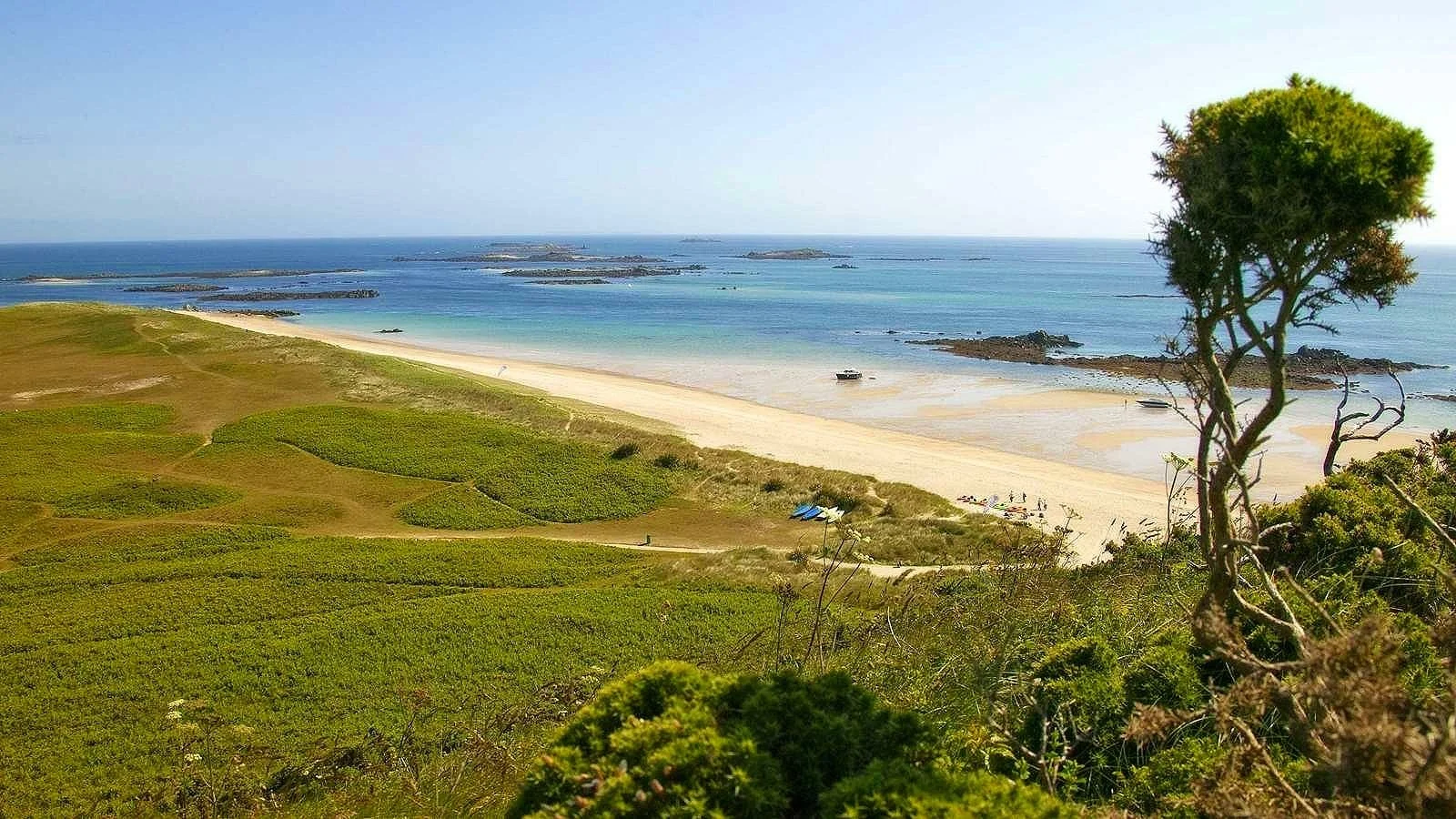
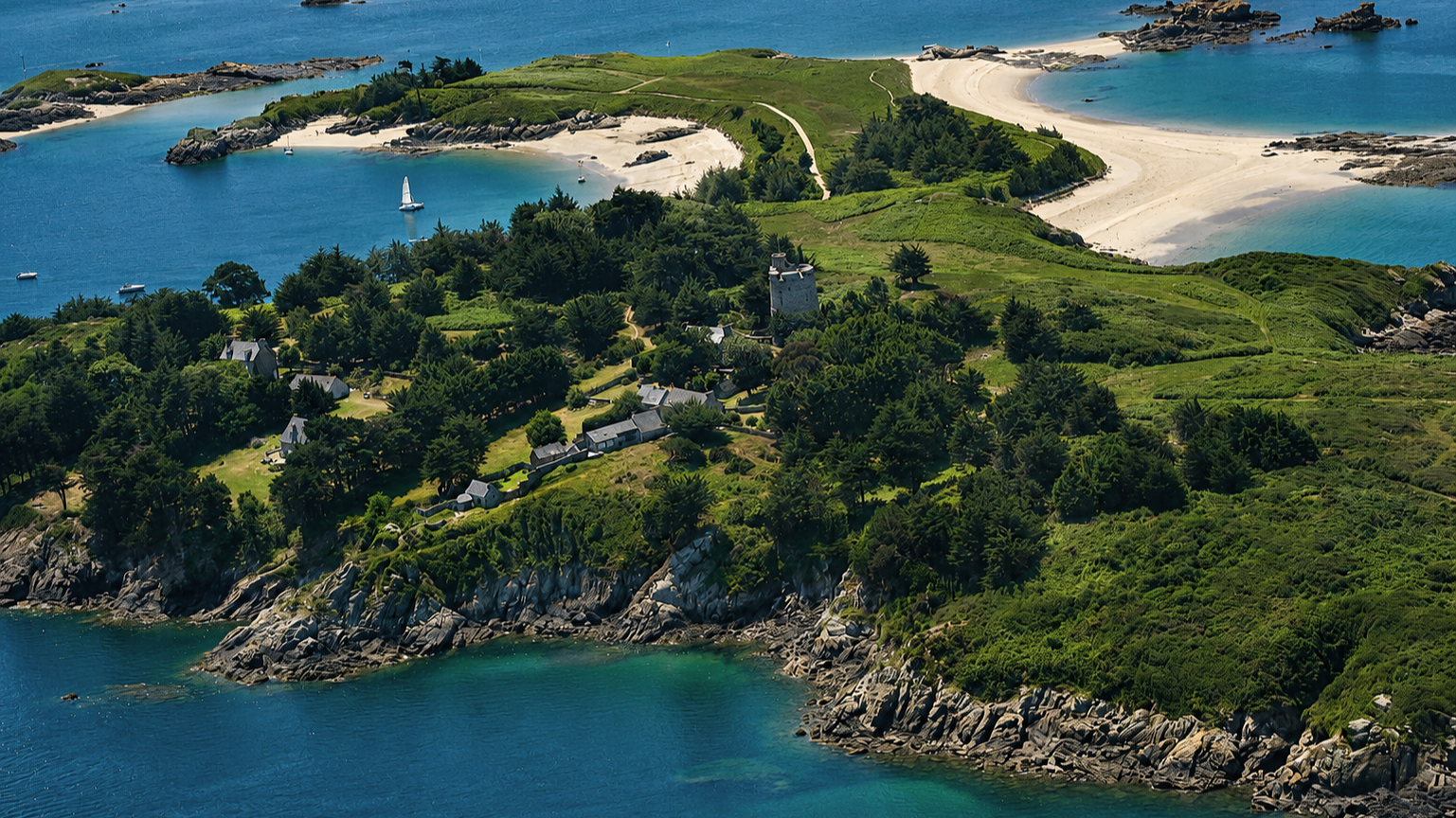
Shell Beach, Herm

We certainly do a lot of sailing. And we do some swimming. And sightseeing. But we also take walks along the area’s nature trails and beaches. To check out several of the wonderful walking routes on the islands of Guernsey, click here.

A 1987 shoutout in a Brazilian newspaper to QBE director Will Sutherland!

When it comes to sailing instruction, Will is the real deal. Here’s some corroborating evidence…

Will was the sailing coach who led the Aiglon team to all those wins at Cowes. An Aiglon|Switzerland alum posted this clipping on the school’s FB alumni page, with the following caption:

I stumbled on this article from a 1987 newspaper (The Brazil Herald) where my father was working in São Paulo. You might be interested to know what it has to say!
The article’s headline is “Prepping in Europe: The discipline is tough and the work is tougher but it’s strictly high marks for Europe’s best boarding schools.”

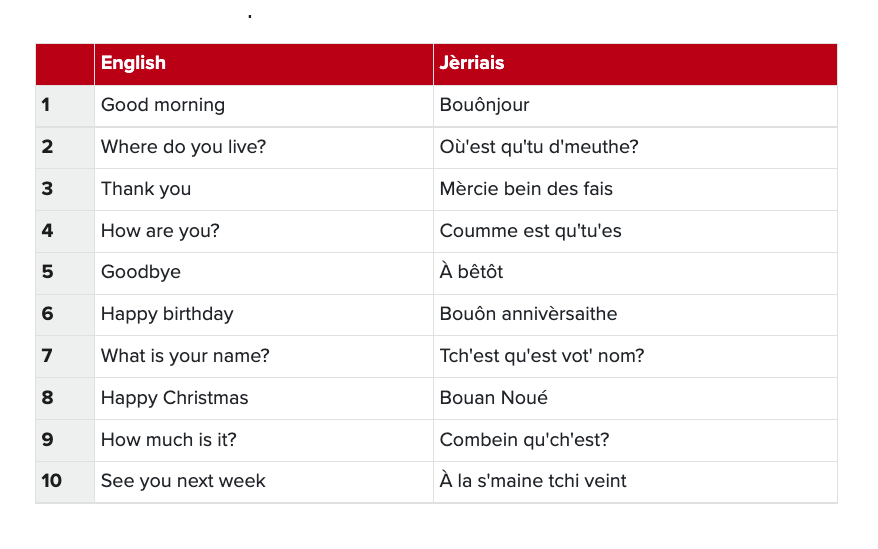
Jèrriais—Jersey’s indigenous language

​In addition to French and English, there are a few under-the-radar indigenous languages spoken in our sailing area. Most people have heard of Breton (Brezhoneg), the ancient Celtic language still spoken—or at least understood—by an estimated 500,000 people, mostly in rural Brittany. And there’s Cornish, spoken in Cornwall, which some people are familiar with. But most people have never even heard of Jèrriais, the traditional Romance language of Jersey. A close cousin of French, there are fewer than 4,000 people who still speak it. But around 15 per cent of the island’s population claim to have some familiarity with it.

Take a look:

Jèrriais fast facts:

  • it was once Jersey's first language

  • it proved to be particularly useful during the wartime Occupation; locals could talk without being understood by the Germans

  • it is still evolving: new words are regularly added to the Jèrriais lexicon, just as new coinages are constantly popping up in contemporary French and English

The baliwick’s government believes it’s important to maintain Jèrriais as a living language. By teaching it to the island’s children, they’re working to make sure it has a future. From their website:

There are very few parents able to teach their children the language, so it's important that it's taught at school. It's common throughout Europe to teach and learn through lesser-used languages.

Before the 1960s there was no Jèrriais education in schools. Now, Jèrriais lessons are offered in all States primary schools and some private schools, too. Children can continue learning in secondary school if they choose.

Jèrriais lessons in primary schools start in year 4; however, because of a shortage of qualified teachers it's not possible to offer lessons in every year at all primary schools. In secondary schools, children will be able to study to the TGJ, the Jèrriais equivalent of GCSE [“The General Certificate of Secondary Education” a set of high-school exams taken in England, Wales, Northern Ireland, and other British territories.]

There are many benefits to teaching Jèrriais to children:

  • it helps their intellectual development, mental agility and alertness

  • it makes it easier for them to learn other languages when they are older

  • it helps them understand their cultural identity as Jersey citizens

  • it helps them respect people who speak different languages

  • it introduces them to a rich tradition of prose, poetry and music

To read more about efforts underway to revive Jèrriais, click here.

If you’d like to hear what Jèrriais sounds like, click here. And if you want to practice your own Jèrriais, go to Twitter and type in #ADitonADayKeepsTheVirusAtBay. If a Twitter tab is already open on your browser, click here. There’s even an Office du Jèrriais tp promote the language.

Ah—but here’s our favorite link: “Hark! The Herald Angels Sing” in Jèrriais!

More about Breton and other indigenous languages in future posts.

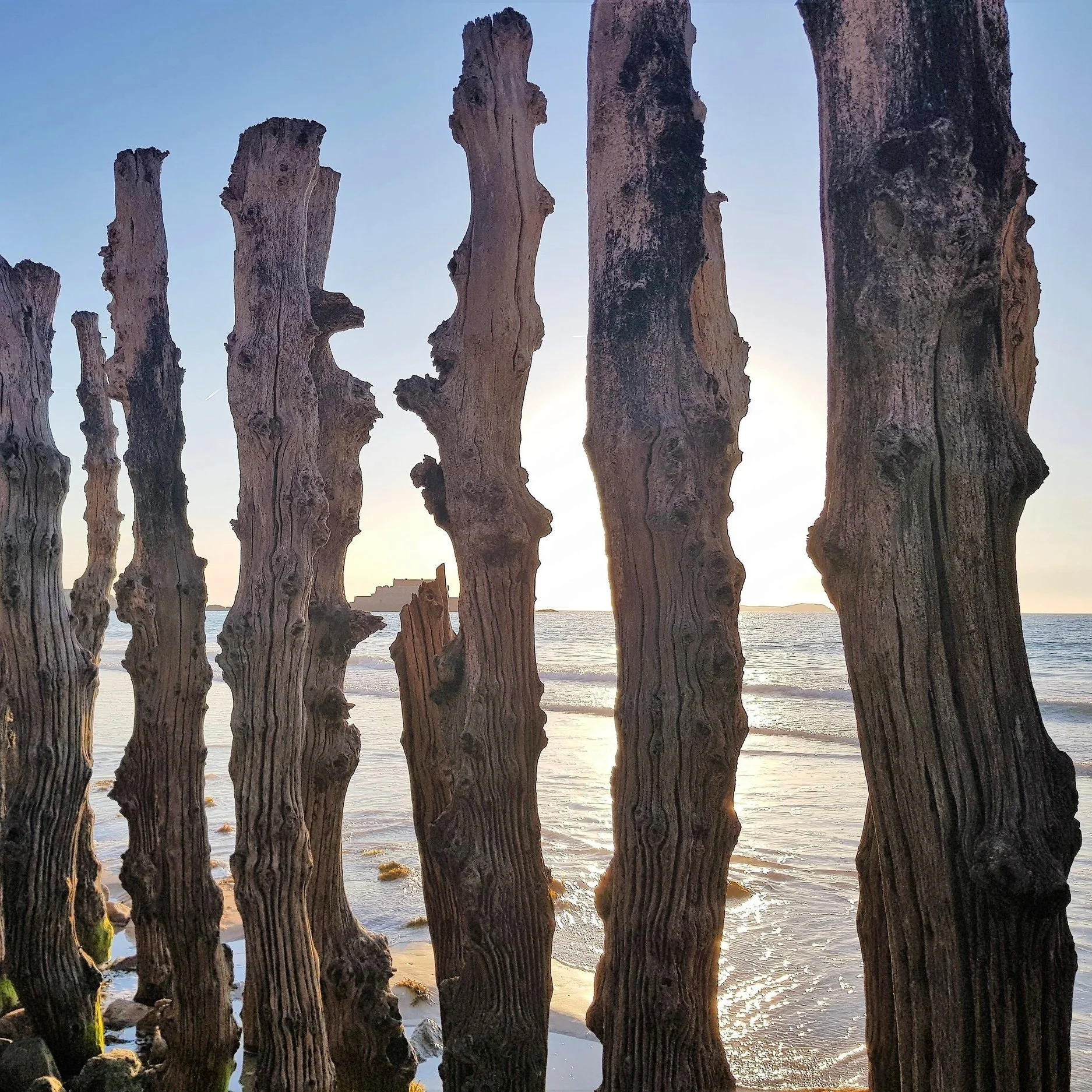
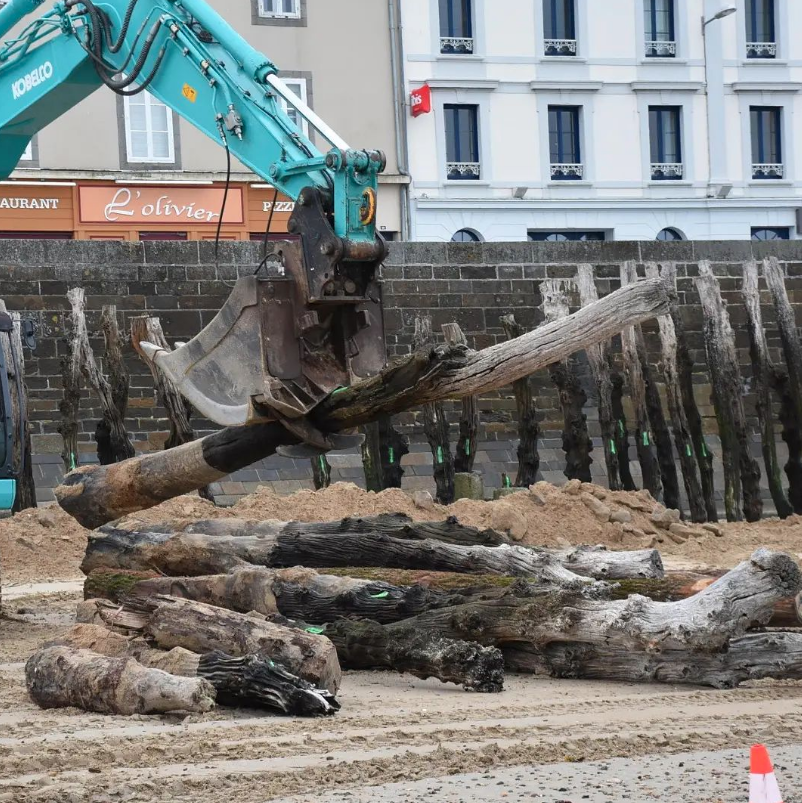
St-Malo is replacing its iconic weathered breakwaters :-(

Oh dear. St-Malo has decided it’s time to replace its weathered brise-lames (breakwaters), some of them over 200 years old. The first ones were erected in the 17th century after a devastating equinoctial high tide. If you know anything about St-Malo, you know that its breakwaters are iconic—think Deauville and its famous boardwalk or Holland and its windmills. What on earth are Instagram photographers and tourists going to take pictures of once the old (photogenic) wooden poles are gone?

On the upside, the city will sell some of the oldest ones and perhaps break others up to sell to woodcarvers, nostalgic locals, and tourists. Hey, some of us are old enough to remember the lucrative industry that sprang up around chunks of the Berlin Wall.

One local tweeted that he had grabbed one to put in his garden.